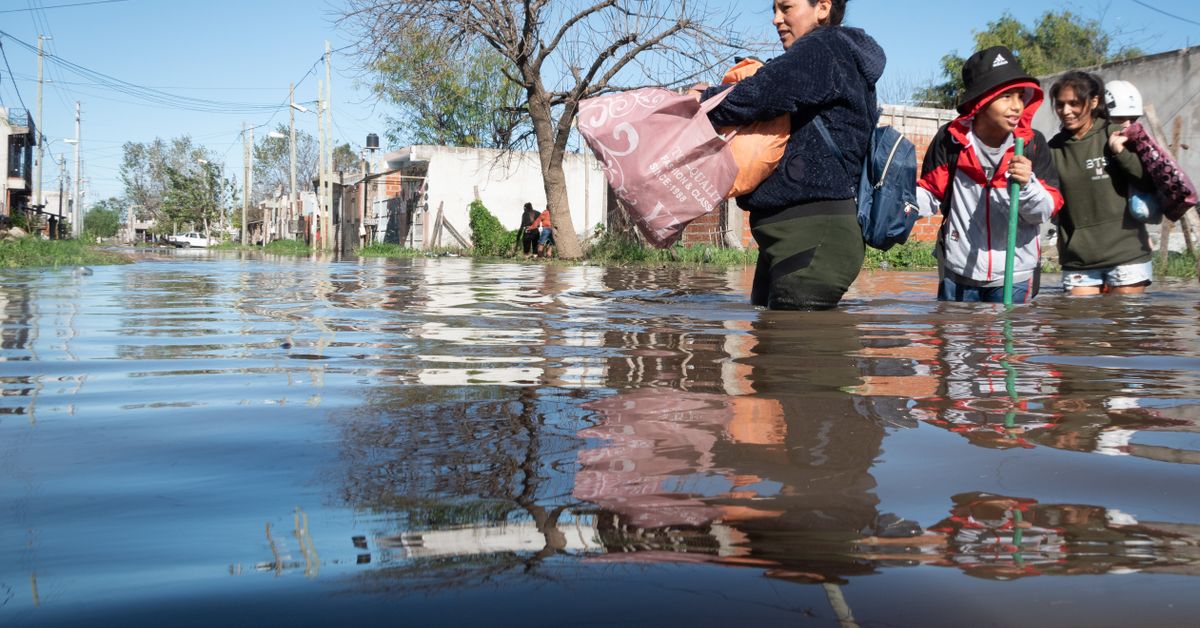
Climate change is expected to forcibly displace up to 45 million people within India by 2050, with 14 million already estimated to have migrated due to extreme weather events in a single recent year. India does not yet formally recognize climate refugees, treating those displaced by floods, cyclones, and droughts as economic migrants, which limits the policy and financial support available as internal migration accelerates.
The Scale of Climate-Driven Migration in India
Extreme weather events, including floods, cyclones, and prolonged droughts, have already displaced millions of Indians in recent years, with one estimate placing the figure at 14 million people forced to relocate in a single year due to weather-related disasters. Looking ahead, climate change is projected to forcibly displace as many as 45 million people within India by 2050, a scale that would represent one of the largest internal migration shifts in the country’s history. Consequently, understanding how cities absorb this migration, and how well-prepared they are to do so, has become an increasingly urgent planning question for Indian urban policy.
Why India Doesn’t Formally Recognize Climate Refugees
Unlike refugees displaced by conflict or persecution, people displaced by climate-related disasters in India are currently classified simply as economic migrants, with no distinct legal category or targeted support system for climate-induced displacement. This classification gap matters practically, since formal recognition is generally a prerequisite for targeted policy design, dedicated funding streams, and systematic data collection about who is being displaced, from where, and to which destinations. Currently, less than 5% of India’s total climate budget goes toward relocation or livelihood diversification support for displaced populations, reflecting how underdeveloped this policy area remains relative to the scale of projected displacement.
How Climate Migration Is Reshaping Indian Cities
As climate-displaced populations move toward urban centers in search of livelihoods, many end up in the informal economy and precarious housing arrangements, often in areas themselves vulnerable to flooding or other climate hazards. Urban densification driven by this migration, combined with exclusionary public services in many cities, compounds existing climate risks rather than resolving them, disproportionately affecting the urban poor who have the least capacity to adapt. Therefore, cities receiving significant climate migration face a dual challenge: absorbing population growth while simultaneously building the climate-resilient infrastructure needed to avoid recreating the same vulnerabilities that displaced people were fleeing in the first place.
What Adaptation Measures Are Being Proposed
- Recognizing climate migrants as a permanent, ongoing feature of urban population planning rather than a temporary anomaly.
- Expanding affordable, heat-resilient housing specifically designed for the income and living patterns of migrant populations.
- Decentralizing primary healthcare through programs like the National Urban Health Mission to reach informally settled migrant communities.
- Developing localized adaptation plans on two fronts simultaneously: reducing displacement pressure at the source through rural climate resilience, and preparing destination cities to accommodate population influx.
Policy researchers consistently emphasize that addressing climate migration effectively requires action at both ends of the migration pathway, rather than focusing exclusively on either rural adaptation or urban absorption capacity alone.
What This Means for India’s Urban Future
With climate migration expected to accelerate over the coming decades, cities that proactively plan for population influx through resilient housing, decentralized services, and formal recognition of climate-displaced residents will likely fare better than those treating the phenomenon as an unplanned side effect of broader urbanization. To understand the environmental pressures driving this migration, read our guide on forest conservation in India and see how sustainable home design can help reduce climate vulnerability in growing urban areas. Browse more articles in the Green Living Guide category.
India’s Own Climate Migration Risk Zones
Climate migration is not only a concern for northern cities abroad — India faces its own internal displacement risks. Coastal areas in Odisha, West Bengal, and the Sundarbans face rising sea levels and cyclone intensity, while parts of Bundelkhand and Marathwada see recurring drought-driven agricultural displacement. The National Disaster Management Authority (NDMA) tracks vulnerability data across these regions and coordinates state-level adaptation planning. Urban planners in India are increasingly incorporating climate-resilient housing and water infrastructure into Tier-2 city master plans, anticipating internal migration pressure over the next two decades as climate-vulnerable regions become harder to sustain agriculturally.
Frequently Asked Questions
How many people could be displaced by climate change in India?
Climate change is projected to forcibly displace as many as 45 million people within India by 2050, based on current climate migration research estimates.
Does India legally recognize climate refugees?
No, India currently classifies people displaced by climate-related disasters as economic migrants, with no distinct legal category or dedicated support system.
How much of India’s climate budget goes toward displacement support?
Less than 5% of India’s total climate budget currently goes toward relocation or livelihood diversification support for climate-displaced populations.
How does climate migration affect cities?
Migrants often end up in the informal economy and precarious housing, frequently in areas themselves vulnerable to flooding, compounding rather than resolving climate risks.
What adaptation measures are recommended for climate migration?
Recommendations include affordable heat-resilient housing, decentralized healthcare access, and coordinated planning at both the source of migration and destination cities.