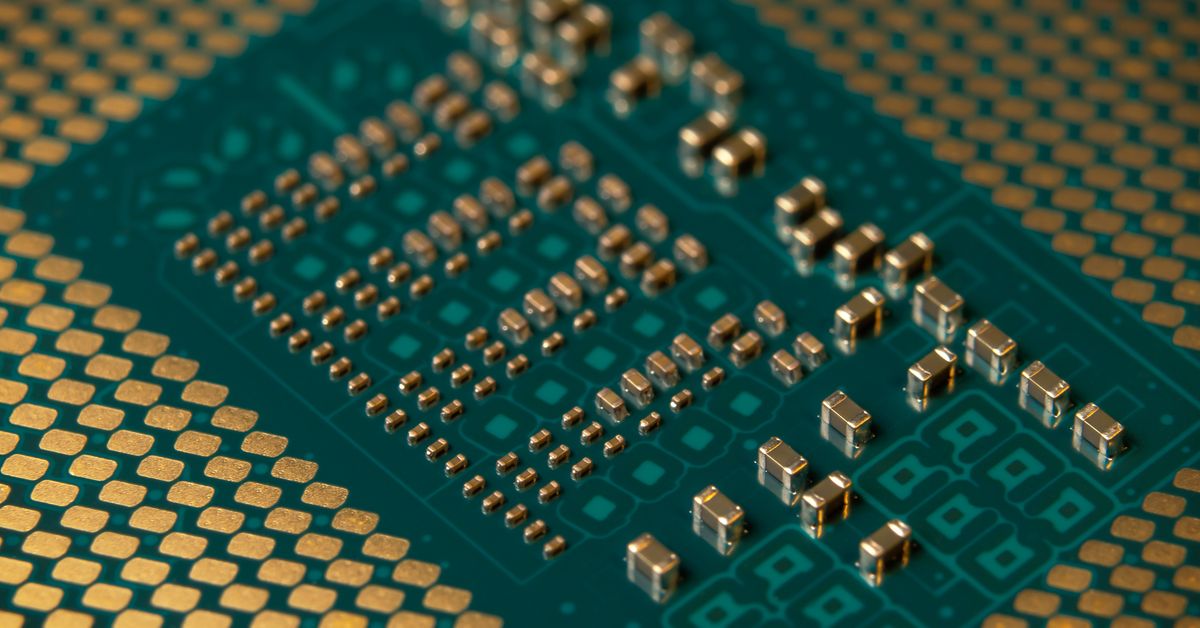
India’s Semiconductor Mission has approved 12 manufacturing units with a combined investment of over Rs 1.64 lakh crore as of mid-2026, with the first operational facility, Micron’s Sanand assembly and test plant, inaugurated in February 2026. The flagship Tata-PSMC fab in Dholera has crossed the halfway construction mark, with trial chip production targeted for December 2026.
What the India Semiconductor Mission Aims to Achieve
Launched to reduce India’s near-total dependence on imported chips, the India Semiconductor Mission (ISM) provides fiscal support covering up to 50% of project costs for approved semiconductor fabrication, assembly, testing, and packaging facilities. Consequently, the mission has attracted a mix of domestic conglomerates and global chipmakers to set up manufacturing on Indian soil, aiming to build a complete domestic supply chain rather than relying solely on imports from Taiwan, South Korea, and China.
Where the Mission Stands in 2026
Micron Technology’s Semiconductor Assembly, Test and Packaging (ATMP) facility in Sanand, Gujarat became the first operational facility of the current mission cycle, inaugurated in February 2026. Kaynes Semicon’s OSAT (outsourced assembly and test) facility followed in March 2026, representing an investment of roughly Rs 3,300 crore with a production capacity of around 6 million chips per day. The most closely watched project, the Rs 91,000 crore Tata-PSMC fab at Dholera, has crossed the halfway stage of construction, with foundations complete and cleanroom calibration underway; the facility is designed for 50,000 wafers a month starting at the 28-nanometre node, using advanced lithography tools secured from Dutch supplier ASML.
What India Can and Cannot Manufacture Yet
As of 2026, India’s semiconductor capability centers on memory (Micron), logic and display chips (Tata Electronics), and automotive-grade chips (CG Power), primarily through assembly and testing rather than advanced chip fabrication. Therefore, while India is building genuine manufacturing capacity, leading-edge logic chip fabrication, the kind used in flagship smartphones and AI processors, is not expected to be domestically available before 2030 at the earliest. This distinction matters for understanding the mission’s near-term impact: India is establishing itself in assembly, testing, and mid-range chip production first, with advanced fabrication as a longer-term goal.
Why This Matters for India’s Broader Technology and Climate Goals
Domestic semiconductor manufacturing directly supports India’s renewable energy and electric vehicle ambitions, since chips are essential components in solar inverters, EV battery management systems, smart grid equipment, and energy-efficient appliances. Consequently, reducing chip import dependency also strengthens the supply chain reliability for India’s broader green technology manufacturing base, an increasingly important consideration as global chip shortages have previously disrupted renewable energy equipment production. Additionally, semiconductor fabs are highly water and energy-intensive facilities, meaning their environmental footprint, including water recycling and renewable power sourcing, has become a specific area of scrutiny as more fabs come online domestically.
What to Watch For Next
The Tata-PSMC Dholera fab’s trial production, targeted for December 2026, represents the most significant near-term milestone, since it will mark India’s first output from an advanced wafer fabrication facility rather than assembly and testing alone. To follow the broader green technology ecosystem this manufacturing base supports, read our explainer on what green technology means and how India’s renewable and EV sectors are scaling. Browse more explainers in the Green Tech & Innovation category.
Global Context: Why India Wants a Semiconductor Foothold
India’s push into semiconductor manufacturing mirrors a broader global trend of countries diversifying chip supply chains away from near-total concentration in Taiwan and a handful of other hubs, a vulnerability made especially clear during pandemic-era chip shortages that disrupted everything from automobiles to renewable energy equipment. Consequently, India’s semiconductor ambitions are as much about supply chain resilience and strategic autonomy as they are about capturing a share of a fast-growing global industry. As fabs like Dholera move from construction toward production, India’s position within the global chip supply chain is likely to shift meaningfully over the remainder of the decade.
Frequently Asked Questions
What is the India Semiconductor Mission?
It is a government program providing fiscal support, covering up to 50% of project costs, for companies building semiconductor fabrication, assembly, testing, and packaging facilities in India.
Does India manufacture advanced logic chips yet?
Not yet. As of 2026, India’s capability centers on chip assembly, testing, and mid-range production, with leading-edge logic chip fabrication not expected before 2030 at the earliest.
What is the status of the Tata-PSMC Dholera fab?
The Rs 91,000 crore facility has crossed the halfway construction mark, with trial production of 28-nanometre chips targeted for December 2026.
How much has been invested under the India Semiconductor Mission?
As of mid-2026, 12 manufacturing units have been approved with a cumulative investment of over Rs 1.64 lakh crore.
Why does semiconductor manufacturing matter for green technology?
Chips are essential components in solar inverters, EV battery management systems, and smart grid equipment, so domestic manufacturing strengthens supply chain reliability for India’s renewable energy sector.
Sources and further reading: Ministry of Electronics and Information Technology | India Semiconductor Mission