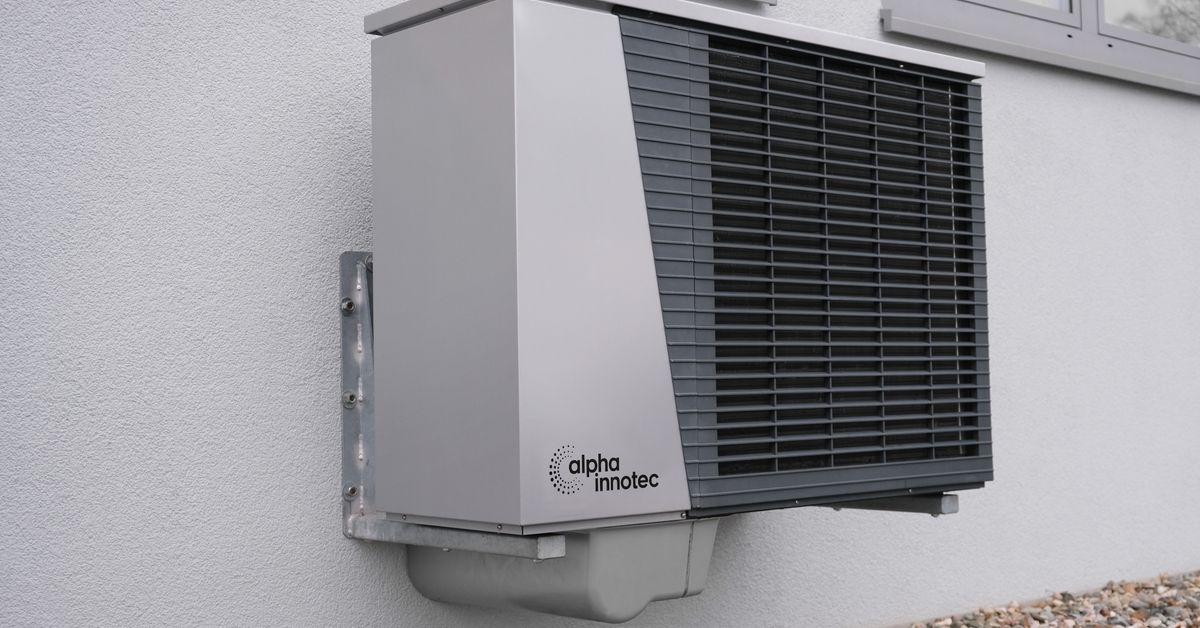
A heat pump is a device that moves heat from one place to another, rather than generating heat directly, to warm or cool a building using far less electricity than conventional heaters or air conditioners. Because they transfer rather than create heat, heat pumps can be up to three to four times more energy-efficient than traditional electric heating systems.
How a Heat Pump Works
A heat pump uses a refrigerant cycle, similar to a refrigerator, to absorb heat from one location and release it in another. In heating mode, it extracts heat from the outside air, ground, or water, even in relatively cool conditions, and transfers it indoors. In cooling mode, the process simply reverses, pulling heat from indoors and releasing it outside, functioning much like an air conditioner. Consequently, a single heat pump system can often replace both a separate heater and a separate air conditioning unit.
Types of Heat Pumps
Air-source heat pumps, the most common and affordable type, extract heat from the outdoor air and are suitable for most residential applications. Ground-source or geothermal heat pumps extract heat from the relatively stable temperature underground, offering higher efficiency but requiring a much larger upfront installation cost due to the excavation involved. Water-source heat pumps, less common, use a nearby water body as the heat exchange medium. Additionally, hybrid systems combine a heat pump with a backup conventional heater for use in extremely cold climates where the heat pump alone becomes less efficient.
Why Heat Pumps Save Energy
Because heat pumps move existing heat rather than generating new heat through resistance or combustion, they typically consume significantly less electricity to produce the same amount of heating or cooling as conventional systems. Furthermore, this efficiency advantage translates directly into lower electricity bills over the system’s lifetime, even though the upfront purchase and installation cost is usually higher than a standard air conditioner or heater. As a result, heat pumps are increasingly recommended as one of the most effective single upgrades a household can make to cut long-term energy consumption.
Are Heat Pumps Practical for Indian Homes?
Heat pumps are more commonly associated with colder climates, but they are increasingly relevant in India for water heating specifically, where heat pump water heaters offer major efficiency gains over conventional electric geysers. In regions with hot summers and mild winters, a heat pump can also serve as an efficient combined heating and cooling solution, particularly in northern and hilly parts of the country with more distinct seasons. However, the higher upfront cost compared to a standard geyser or air conditioner means the investment makes the most financial sense for households planning to stay in a home long enough to recover the cost through energy savings.
Heat Pumps and the Bigger Energy Picture
Heat pumps are one of several green technologies helping reduce household electricity demand, alongside solar power and better insulation. To understand how heat pumps fit within broader energy-efficient technology, see our guide on what green technology means. You can also identify other efficiency upgrades for your home using our Home Energy Audit Checklist Tool, or read our practical tips on energy conservation at home. Browse more explainers in the Green Tech & Innovation category.
Heat Pump Maintenance and Common Issues
Heat pumps generally require less maintenance than a combination of separate heating and cooling systems, but a few upkeep tasks help maintain their efficiency over time. Air filters should be cleaned or replaced regularly, since dust buildup restricts airflow and forces the system to work harder, reducing efficiency and increasing electricity consumption. Outdoor units, particularly for air-source heat pumps, should be kept clear of debris, leaves, and dust to ensure proper heat exchange with the outside air. Additionally, an annual professional inspection can catch refrigerant leaks or component wear early, since a heat pump’s efficiency depends heavily on maintaining the correct refrigerant charge throughout the system.
Heat Pump Water Heaters: A Practical Starting Point
For Indian households not ready to commit to a full heat pump heating and cooling system, a heat pump water heater offers a more accessible entry point into the technology. These units work identically in principle to larger heat pumps but are specifically designed to heat water for household use, replacing a conventional electric geyser with a significantly more energy-efficient alternative. Since water heating represents a meaningful portion of household electricity consumption in many Indian homes, switching to a heat pump water heater can deliver noticeable savings without the larger upfront investment required for a full space heating and cooling retrofit. Consequently, many homeowners use a heat pump water heater as a practical first step before considering broader heat pump adoption for their entire home.
Frequently Asked Questions
What is a heat pump in simple terms?
A heat pump is a device that moves heat from one place to another to warm or cool a building, rather than generating heat directly, using significantly less electricity than conventional systems.
How much more efficient is a heat pump than a regular heater?
Heat pumps can be up to three to four times more energy-efficient than conventional electric heaters, since they transfer existing heat rather than generating new heat through resistance.
Can a heat pump also cool a home?
Yes, most heat pumps can reverse their cycle to function as an air conditioner, pulling heat from indoors and releasing it outside during warmer months.
Are heat pumps useful in India’s climate?
Yes, particularly for water heating, where heat pump water heaters significantly outperform conventional electric geysers, and in regions with more distinct seasonal temperature swings.
Is a heat pump worth the higher upfront cost?
For households planning to stay long-term, the lower electricity bills over the system’s lifetime typically outweigh the higher initial installation cost compared to conventional heaters or air conditioners.
Sources and further reading: Ministry of New and Renewable Energy | International Energy Agency