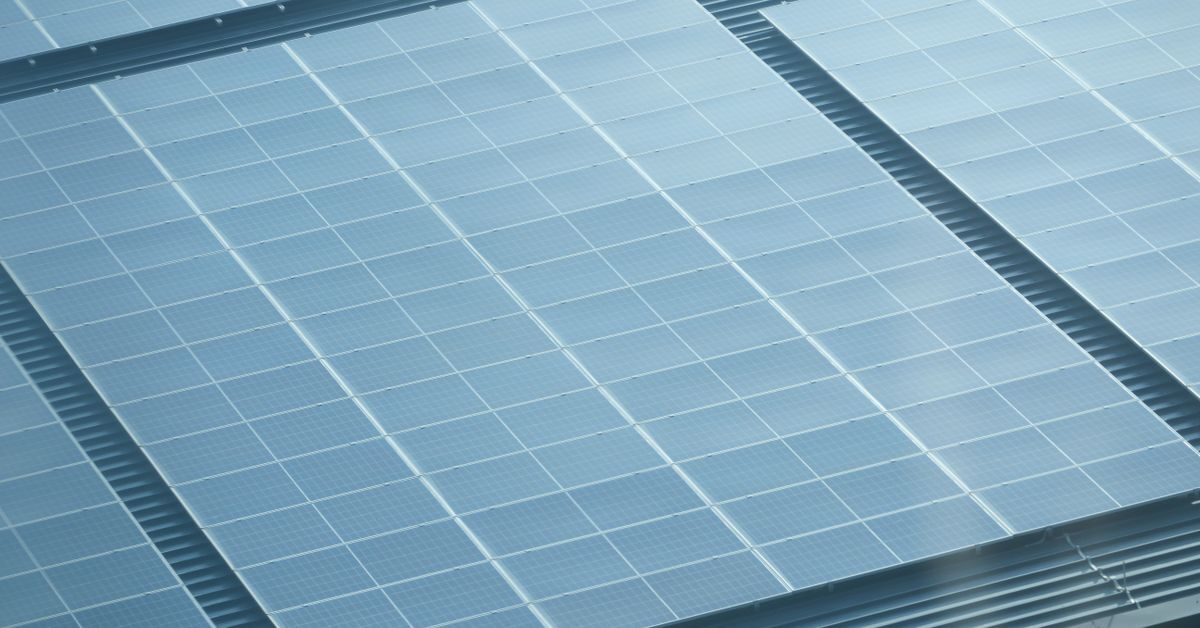
The solar panel price in India in 2026 is roughly ₹14–18 per watt for a standard TOPCon module, and ₹22–28 per watt for the domestic-content (DCR) panels that subsidy-linked rooftop systems need. A complete home system costs about ₹60,000–₹75,000 per kW before subsidy, so a 3kW rooftop plant lands near ₹1.8–2.3 lakh. The PM Surya Ghar subsidy of up to ₹78,000 then brings the net cost down sharply.
Key Takeaways
- Module price: about ₹14–18 per watt for non-DCR TOPCon, and ₹22–28 per watt for DCR TOPCon at retail.
- Full system price: roughly ₹60,000–₹75,000 per kW installed, before subsidy.
- GST: solar modules attract 5% GST since 22 September 2025, while inverters and mounting structures stay at 18%.
- Subsidy: up to ₹78,000 for a 3kW or larger grid-connected home system.
- Real cost of power: a rooftop system produces electricity at about ₹1.6–2.3 per unit over 25 years, against ₹6–9 on most grid tariffs.
How Much Does a Solar Panel Cost per Watt in India?
The solar panel price has fallen steadily over the past decade. Even so, 2026 prices split into two clear tiers because of India’s domestic-content rules. Understanding that split explains most of the confusion in rooftop quotes.
Ex-works market data from JMK Research for April 2026 put Mono PERC modules at about ₹13.8 per watt-peak (Wp) and TOPCon at about ₹14.2 per Wp. DCR TOPCon modules, which use Indian-made cells, cost roughly ₹22.3 per Wp. Retail prices run higher because distributors add transport, GST and margin.
| Module type | Typical retail price per watt | Price of a 550W panel (approx.) | Best for |
|---|---|---|---|
| Mono PERC (non-DCR) | ₹12–16 | ₹6,600–₹8,800 | Commercial and open-access projects |
| TOPCon (non-DCR) | ₹14–18 | ₹7,700–₹9,900 | Private systems without subsidy |
| TOPCon (DCR) | ₹22–28 | ₹12,100–₹15,400 | Subsidy-linked home rooftops |
| Bifacial TOPCon | ₹15–20 | ₹8,250–₹11,000 | Ground mounts, reflective roofs |
The panel prices above are indicative arithmetic, not a live quote. The solar panel price moves monthly with polysilicon, cell supply and demand. Therefore, always ask your installer for the panel brand, wattage and per-watt rate in writing.
Solar Panel Price Per kW for a Complete Home System
Most homeowners never buy loose panels. Instead, they buy a turnkey system that includes panels, an inverter, a mounting structure, wiring, protection devices, installation and net-metering paperwork. Installers quote this as a price per kW.
Based on 2026 installer quotes, a good grid-connected residential system costs about ₹60,000–₹75,000 per kW. SolarSquare’s July 2026 city listings, for example, show a 3kW system around ₹2.1–2.2 lakh before subsidy, which works out to roughly ₹70,000 per kW. Smaller systems cost more per kW because fixed costs spread over fewer panels.
| System size | Indicative price before subsidy | Central subsidy | Net cost after subsidy |
|---|---|---|---|
| 1kW | ₹70,000–₹90,000 | ₹30,000 | ₹40,000–₹60,000 |
| 2kW | ₹1.3–₹1.6 lakh | ₹60,000 | ₹70,000–₹1.0 lakh |
| 3kW | ₹1.8–₹2.3 lakh | ₹78,000 | ₹1.0–₹1.5 lakh |
| 5kW | ₹3.0–₹3.8 lakh | ₹78,000 | ₹2.2–₹3.0 lakh |
| 10kW | ₹5.8–₹7.2 lakh | ₹78,000 | ₹5.0–₹6.4 lakh |
These ranges are indicative and vary by city, roof type and brand. For deeper breakdowns, see our guide to solar panel installation costs in India.
Why the Price Per kW Drops as You Go Bigger
Fixed costs barely change between a 3kW and a 5kW system. The inverter, the electrician’s visit, the DISCOM application and the meter all cost roughly the same. Consequently, each extra kW is cheaper than the first. However, the central subsidy stops at 3kW, so the net saving per kW falls beyond that point.
What Is Included in a Solar Quote?
A transparent quote lists every component. If a quote shows only one lump sum, ask for a breakdown. Here is how a typical 3kW system divides.
| Component | Share of total cost | What to check |
|---|---|---|
| Solar panels | 45–50% | Brand, wattage, ALMM listing, warranty |
| On-grid inverter | 12–15% | Brand, efficiency, 5–10 year warranty |
| Mounting structure | 10–12% | Galvanised steel, wind-load rating |
| Cables, earthing, protection | 8–10% | Copper wiring, surge protection, MCBs |
| Installation and net metering | 10–15% | Who handles DISCOM paperwork |
How GST Affects Solar Panel Price
The GST Council cut the rate on renewable energy devices, including solar modules, from 12% to 5% with effect from 22 September 2025. Most 2026 sources confirm this reduction, although a few older websites still quote 12%. Meanwhile, inverters, mounting structures and cables are generally taxed at 18%.
Because a turnkey system mixes goods taxed at different rates, installers often quote a blended effective rate. Ask whether your quote includes GST, and ask for a GST invoice. You can check current notifications on the GST Council website.
How ALMM and DCR Rules Change the Price
India’s Approved List of Models and Manufacturers (ALMM) decides which panels qualify for government schemes. From 1 June 2026, ALMM List-II extends the rule to solar cells. As a result, a panel qualifies only if its cells also come from approved Indian manufacturers. Imported-cell panels assembled in India no longer qualify.
This rule explains the DCR premium. Domestic cell capacity is far smaller than module capacity, so DCR panels cost about 60–70% more than non-DCR panels at ex-works level. Industry estimates suggest the new cell rule adds roughly ₹3,000 per kW to a compliant rooftop system, although that figure comes from secondary sources and may shift.
The practical lesson is simple. If you want the PM Surya Ghar subsidy, you must buy ALMM-compliant DCR panels. Therefore, cheaper non-DCR quotes are not comparable, and they can cost you the entire ₹78,000 subsidy. Check the current list on the MNRE website before you pay an advance.
Solar Panel Price by Brand in India
Brand matters for warranty and service, not just efficiency. Leading Indian manufacturers include Waaree, Adani Solar, Vikram Solar, Tata Power Solar and Premier Energies. Prices overlap heavily, so quotes depend more on the installer’s margin and the exact model than on the logo.
| Brand | Positioning | Typical technology |
|---|---|---|
| Waaree | Largest Indian maker, wide availability | Mono PERC, TOPCon |
| Adani Solar | Integrated cell-to-module manufacturing | Mono PERC, TOPCon |
| Vikram Solar | Strong export record, long warranties | Mono PERC, TOPCon, HJT |
| Tata Power Solar | Brand trust and installation network | Mono PERC, TOPCon |
| Premier Energies | Competitive pricing, integrated cells | Mono PERC, TOPCon |
Installer and manufacturer blogs often rank these brands in different orders, so treat rankings with caution. Our list of top solar panel companies in India explains how to vet installers beyond the brand name.
Factors That Push the Price Up or Down
Several variables explain why two neighbours pay different amounts for the same capacity.
- Panel technology: TOPCon costs more than Mono PERC but loses less output each year.
- Inverter quality: Premium string inverters or microinverters add cost and improve monitoring.
- Roof type: Elevated structures, tin sheds and tall buildings need extra steel.
- Location: Transport and local labour change prices between metros and smaller towns.
- Installer margin: Large national installers and small local firms price differently.
- DISCOM fees: Net-metering charges and meter costs vary by state.
- Battery: Adding storage raises the price by ₹60,000–₹1.2 lakh, and it removes subsidy eligibility.
Battery decisions deserve extra care. Read our solar battery guide before adding one, because most urban homes with net metering do not need storage.
The Real Cost of Solar Power per Unit
The price tag alone hides the real value. A better question is how much each unit of electricity costs over the system’s life.
Take a 3kW system costing ₹2.2 lakh. It generates about 4,500 units a year in a sunny state. Panels lose roughly 0.4–0.5% of output annually, so the average output over 25 years sits near 94% of the first year. That gives roughly 105,000 units in total. Add ₹25,000 for one inverter replacement, and the lifetime cost is about ₹2.45 lakh.
- Without subsidy: ₹2.45 lakh ÷ 105,000 units ≈ ₹2.3 per unit.
- With ₹78,000 subsidy: ₹1.67 lakh ÷ 105,000 units ≈ ₹1.6 per unit.
Grid electricity for most Indian households costs ₹6–9 per unit, depending on the state and slab. Therefore, even without a subsidy, solar produces power at about one third of the grid price. This arithmetic ignores maintenance and financing, so treat it as an estimate. Still, it shows why payback usually falls between three and five years.
How to Avoid Overpaying for Solar Panels
Good buying habits can save tens of thousands of rupees. Follow these steps before you sign.
- Collect three written quotes. Compare them line by line, not just by total.
- Verify ALMM and DCR status. Ask for the exact model number and check the MNRE list.
- Check the inverter brand and warranty. A cheap inverter often fails first.
- Confirm who handles subsidy and net metering. The installer should manage the paperwork.
- Ask about payment milestones. Avoid paying more than 30–40% in advance.
- Read the warranty documents. Look for a 25–30 year performance warranty on panels.
You can also test your own numbers with our Solar Panel Savings Calculator. It estimates savings from your tariff, roof and system size.
How Subsidy and Loans Reduce the Net Price
The central government pays ₹30,000 per kW for the first 2kW and ₹18,000 for the third kW. Systems of 3kW and above receive a maximum of ₹78,000. The scheme covers grid-connected residential rooftops only, so off-grid and battery-based systems do not qualify. The subsidy normally arrives in your bank account after commissioning and inspection. Our explainer on the PM Surya Ghar Yojana lists documents and steps, and the official portal is pmsuryaghar.gov.in.
Banks also offer concessional loans for rooftop solar under the scheme. Compare interest rates and tenure, because a small down payment can make solar affordable immediately. In many cases, the monthly EMI is lower than the electricity bill it replaces.
Hidden Costs Beyond the Solar Panel Price
The quote is not the only expense over 25 years. Plan for a few extra items so your payback estimate stays honest.
- Inverter replacement: String inverters usually last 8–12 years. A replacement costs roughly ₹15,000–₹30,000 for a home system.
- Cleaning: Dusty regions need cleaning every few weeks. Doing it yourself costs almost nothing, while a service contract adds a small yearly fee.
- Insurance: Some owners add cover for hail, fire and theft. Ask your insurer whether your home policy already includes rooftop equipment.
- Structure upgrades: Old tin sheds or weak slabs may need reinforcement before installation.
- Monitoring: Basic apps are usually free, but advanced analytics may cost extra.
Because these costs are small compared with the savings, they rarely change the decision. However, they matter when you compare a cheap quote that skips them with a fair quote that includes them. If output ever drops, our guide on why solar panel output falls helps you diagnose the cause before you pay for repairs.
Solar Panel Price Differences Across States
Panel prices do not vary much between states, but total system prices do. Logistics, local labour rates and DISCOM processes all play a part. Net-metering rules also differ, so the time to commission a plant can range from a few weeks to several months.
Some states add their own incentives on top of the central subsidy. For example, one estimator reports that Tamil Nadu offers up to ₹20,000 under selected schemes, while Karnataka offered none in 2026. Always check your state nodal agency and DISCOM website before signing, because policies change often. In addition, ask your installer to show how a state top-up changes your final solar panel price.
Solar Panels vs Other Ways to Cut Your Power Bill
Solar is not the only option, and it is not always the first one to try. A solar water heater, for instance, costs far less and replaces geyser electricity directly. Our comparison of solar panels vs solar water heaters shows which delivers faster savings for different households.
Efficiency upgrades also pay off quickly. Replacing old air conditioners and refrigerators with BEE five-star models can cut consumption before you size a solar system. A smaller system means a lower solar panel price and a faster payback.
Will Solar Panel Prices Fall Further?
Global module prices are already near record lows, so large drops look unlikely in the short term. Domestic prices may ease as Indian cell capacity grows. At the same time, ALMM List-II and DCR rules keep upward pressure on subsidy-linked panels. Consequently, waiting for a big price cut rarely pays, because every month of delay costs you electricity savings.
Rising grid tariffs strengthen the case further. If you wait a year, you lose about twelve months of generation. For most households, that loss outweighs any small price drop.
Is Solar Worth the Price in 2026?
A useful test is the ratio of your annual savings to the net system cost. A home that saves ₹45,000 a year on a ₹1.4 lakh net investment earns about a 32% annual return. Few fixed deposits or mutual funds match that,, and it arrives as lower bills.
For most homes with a monthly bill above ₹2,500, yes. A properly sized system pays back within three to five years and then produces nearly free power for two more decades. The savings grow if tariffs rise and if you add an electric vehicle later.
Still, buy carefully. Choose ALMM-listed panels, a reputable inverter and an installer with local references. Our guide on what solar power is and how it works is a good primer, and the Green Tech & Innovation section covers more rooftop topics. You can also start from the GreenNewsDesk homepage.
Keep one rule in mind about solar panel price: compare the cost per kW of the whole system, not just the sticker price of a panel. That single habit protects you from most pricing traps.
Frequently Asked Questions
What is the solar panel price per watt in India in 2026?
Retail prices run about ₹14–18 per watt for standard TOPCon modules and ₹22–28 per watt for DCR TOPCon modules. Ex-works rates are lower, and prices vary by brand and supplier.
How much does a 3kW solar system cost in India?
A 3kW grid-connected home system costs about ₹1.8–2.3 lakh before subsidy. After the ₹78,000 PM Surya Ghar subsidy, the net cost is roughly ₹1.0–1.5 lakh.
How much is GST on solar panels in 2026?
GST on solar modules is 5% since 22 September 2025. Inverters, mounting structures and many accessories are generally taxed at 18%, so the blended rate on a full system is higher.
Why do DCR solar panels cost more?
DCR panels use cells made in India, and domestic cell capacity is much smaller than module capacity. That scarcity lifts prices by roughly 60–70% over non-DCR panels at ex-works level.
Which solar panels qualify for the PM Surya Ghar subsidy?
Panels must be domestically made and listed on the MNRE’s ALMM. From 1 June 2026, the cells inside must also come from ALMM List-II manufacturers.
How long does it take to recover the cost of solar panels?
Most households recover the cost in three to five years after subsidy. The exact period depends on your tariff, usage, roof and system size.
Is it cheaper to buy solar panels separately and hire an installer?
Usually not. Buying panels alone often forfeits subsidy support, and warranty claims become harder. A turnkey ALMM-compliant package from a reputed installer is normally safer.



One thought on “Solar Panel Price in India 2026: Per Watt, Per kW and Brand Rates”
Comments are closed.