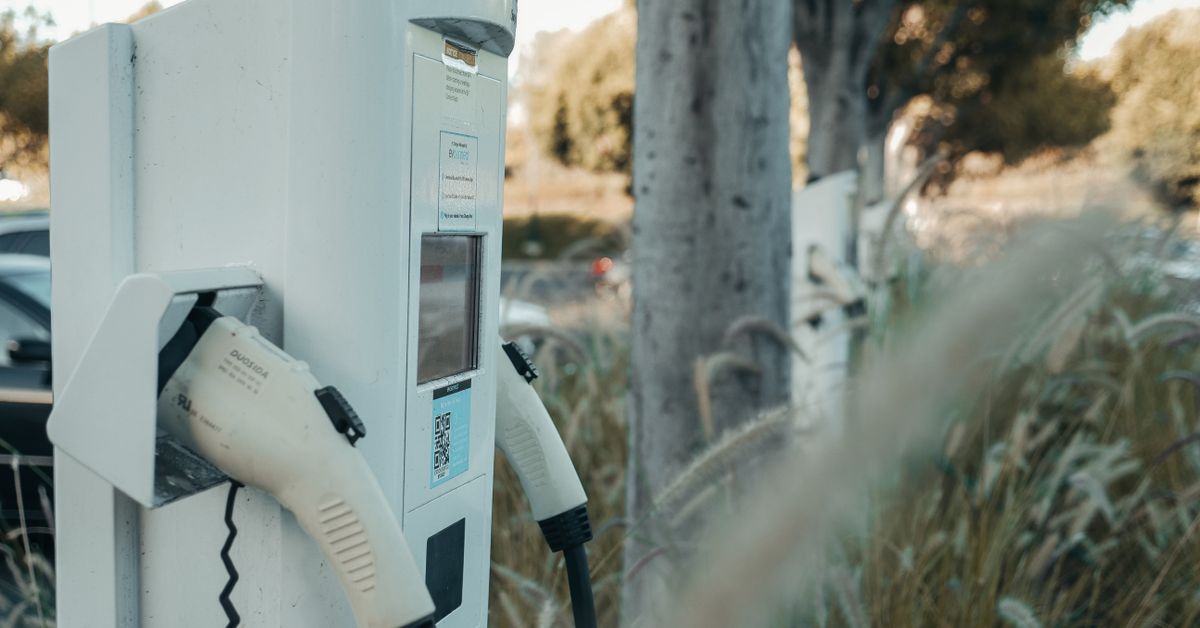
EV charging comes in three main levels: Level 1 uses a standard home socket and charges slowest, Level 2 uses a dedicated home or public charger for significantly faster charging, and DC fast charging delivers the quickest top-up but at higher cost and is best reserved for long trips. Understanding the difference helps you choose the right setup for daily use versus travel.
Level 1 Charging: The Basic Home Option
Level 1 charging uses a standard household electrical socket, typically delivering a slow trickle charge that can take 10 to 20 hours or more for a full charge, depending on the vehicle’s battery size. This option requires no additional equipment beyond the charging cable that usually comes with the vehicle, making it the most accessible starting point for new EV owners. However, Level 1 charging is generally only practical for overnight charging of smaller batteries, such as those in electric two-wheelers, or as a backup option for car owners who don’t drive long distances daily.
Level 2 Charging: The Practical Home and Public Standard
Level 2 charging uses a dedicated charger, either installed at home or found at public and workplace charging points, and delivers power significantly faster than a standard socket, often fully charging a car battery within 4 to 8 hours. Consequently, most regular EV car owners in India who charge overnight find Level 2 the most practical setup, since it comfortably replenishes a full day’s driving range within a typical off-peak charging window. Installing a Level 2 home charger requires an upfront investment and sometimes an electrical upgrade, but the convenience and speed improvement over Level 1 make it worthwhile for most owners.
DC Fast Charging: Speed for Long Trips
DC fast chargers, found at select public charging stations along highways and in cities, can charge a compatible EV from near-empty to 80% in as little as 20 to 60 minutes, depending on the vehicle and charger specifications. However, this speed comes at a higher per-unit cost compared to home charging, and not all electric vehicles support the fastest available charging speeds, so it’s worth checking your specific model’s compatibility. Additionally, relying on DC fast charging too frequently can accelerate battery degradation slightly compared to regular Level 2 charging, making it best reserved for longer trips rather than daily use.
Choosing the Right Charging Setup for You
- If you drive short daily distances and have access to overnight charging, Level 1 may suffice for smaller EVs.
- If you own a car and want reliable overnight charging, a Level 2 home charger is the most practical long-term investment.
- If you frequently travel long distances, familiarize yourself with DC fast charging locations along your typical routes.
- Always confirm your specific vehicle’s maximum supported charging speed before assuming a faster charger will charge proportionally faster.
Planning Your Charging Strategy
Understanding charging levels helps you estimate real-world costs and convenience before buying an EV. See our detailed breakdown of EV charging costs to understand what each charging option costs in practice, and read our guide on electric car battery types and lifespan to understand how charging habits affect battery health. Browse more explainers in the Green Tech & Innovation category.
Charging Connector Types in India
Unlike some global markets with a single dominant charging standard, India currently sees a mix of connector types across different EV models, which can complicate charger compatibility. The Bharat AC-001 and Bharat DC-001 standards were developed specifically for the Indian market and are commonly found on domestically manufactured EVs, while some premium imported models use the CCS2 (Combined Charging System) standard more common internationally. Consequently, before purchasing a home charger or relying on a specific public charging network, it’s important to confirm your vehicle’s connector type matches the charger, since an incompatible connector will prevent charging entirely regardless of the charger’s power rating. Most public charging networks in India now offer multiple connector types at larger stations specifically to accommodate this variety across different vehicle brands.
Charging Speed Isn’t Just About the Charger
A common misconception is that a higher-rated charger automatically charges any vehicle faster, but actual charging speed is limited by the lower of either the charger’s maximum output or the vehicle’s onboard charging capacity. For example, plugging a vehicle with a 7 kW maximum onboard charging capacity into a 22 kW Level 2 charger will still only charge at 7 kW, since the vehicle itself becomes the limiting factor. Therefore, it’s worth checking your specific vehicle’s maximum supported charging rate before assuming a more powerful charger will deliver proportionally faster charging, since the improvement may be smaller than expected once your vehicle’s own limits are factored in.
Frequently Asked Questions
What is the difference between Level 1 and Level 2 EV charging?
Level 1 uses a standard household socket and charges slowly over 10-20 hours, while Level 2 uses a dedicated charger that can fully charge a car in 4-8 hours.
How fast is DC fast charging?
DC fast chargers can charge a compatible EV from near-empty to 80% in as little as 20 to 60 minutes, depending on the vehicle and charger specifications.
Should I install a Level 2 charger at home?
For most regular EV car owners who charge overnight, a Level 2 home charger offers the best balance of charging speed and convenience for daily use.
Does DC fast charging damage the battery?
Frequent DC fast charging can accelerate battery degradation slightly compared to regular Level 2 charging, so it’s best reserved for longer trips rather than daily use.
Can all electric vehicles use DC fast charging?
Not all EVs support the fastest available charging speeds, so it’s important to check your specific vehicle’s maximum compatible charging rate before relying on it.
Sources and further reading: Ministry of Heavy Industries (PM E-DRIVE and EV schemes) | Ministry of Power

One thought on “EV Charging Levels Explained: Level 1, Level 2, and DC Fast Charging”
Comments are closed.