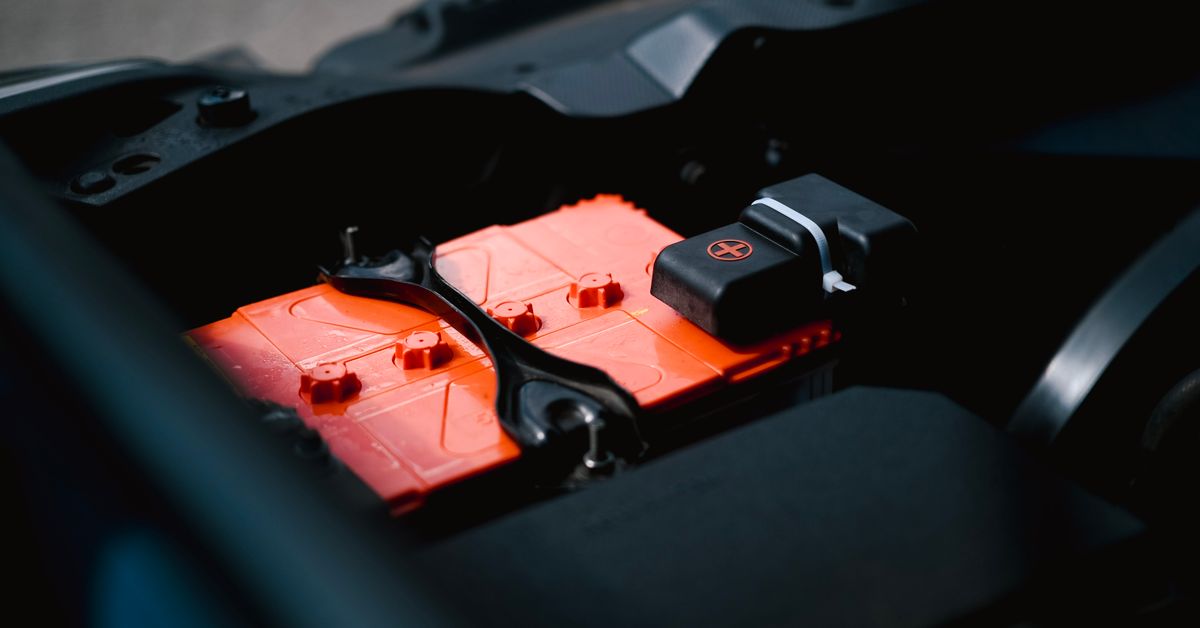
Electric car batteries in India primarily use lithium-ion chemistry, with lithium iron phosphate (LFP) and nickel manganese cobalt (NMC) being the two most common types. Battery costs in 2026 range between Rs 15,000 and Rs 22,000 per kWh, and most major brands warranty their batteries for 8 years or 1,60,000 km.
Types of Electric Car Batteries
Lithium Iron Phosphate (LFP) batteries have become increasingly popular in India for their lower cost, greater safety, and longer cycle life, though they typically offer slightly lower energy density than alternatives. Nickel Manganese Cobalt (NMC) batteries, by contrast, offer higher energy density, meaning more range for a given battery size, but tend to cost more and require more careful thermal management. Consequently, many entry and mid-range EVs in India favor LFP for its cost and safety advantages, while some premium models opt for NMC to maximize range.
How Much Does an Electric Car Battery Cost?
Battery costs in India range between Rs 15,000 and Rs 22,000 per kWh as of 2026, having fallen nearly 22% since 2024 due to localized lithium-ion cell production under the government’s PLI scheme. For a typical 30 to 40 kWh battery pack found in many mass-market electric cars, this translates to a total battery cost of roughly Rs 4.5 lakh to Rs 8.8 lakh, which is why the battery remains the single largest cost component of an electric vehicle. Furthermore, as domestic LFP cell manufacturing scales up, pack costs are expected to continue trending toward Rs 10,000 to Rs 12,000 per kWh in the coming years.
How Long Do EV Batteries Last?
Most major EV brands sold in India, including Tata, Mahindra, MG, Hyundai, and BYD, warranty their batteries for 8 years or 1,60,000 km, whichever comes first. In practice, real-world battery life often extends to 10 to 12 years with 70 to 80 percent of original capacity retained, meaning most owners will not need a full battery replacement during typical ownership. Therefore, battery degradation concerns, while valid, are generally less severe in practice than commonly assumed for vehicles used and charged under normal conditions.
What Affects Battery Lifespan
- Frequent fast charging generates more heat and can accelerate battery degradation compared to regular home charging.
- Consistently charging to 100% or discharging to near 0% stresses the battery more than staying within a moderate charge range.
- Extreme heat exposure, such as parking in direct sun for extended periods, can gradually reduce battery health over time.
- Battery management systems in modern EVs actively help mitigate these factors, but driving and charging habits still meaningfully affect long-term battery health.
Choosing an EV With Battery Costs in Mind
Since the battery represents such a large share of an EV’s total cost and eventual replacement expense, it’s worth factoring this into your buying decision alongside range and price. Compare specific models in our guide to best electric vehicles in India for 2026, and read our broader explainer on what an electric vehicle is if you’re still comparing EV types. You can also check current subsidies in our guide to EV subsidies in 2026. Browse more explainers in the Green Tech & Innovation category.
Recycling and Second-Life Use for EV Batteries
Even after an EV battery degrades below the point of practical use in a vehicle, typically around 70-80% of its original capacity, it often retains enough capacity for less demanding applications, such as stationary home or grid energy storage. This “second-life” use extends a battery’s overall value well beyond its automotive lifespan before it eventually requires recycling. India has begun developing dedicated battery recycling infrastructure, driven partly by the recognition that recovering lithium, cobalt, and nickel from used batteries reduces dependence on imported raw materials for new battery production. Consequently, several Indian companies have entered the battery recycling and second-life storage space, anticipating growing volumes of retired EV batteries as the country’s early EV adopters approach the end of their vehicles’ battery warranty periods over the coming years.
Battery Warranty: What’s Actually Covered
Most EV battery warranties in India, typically 8 years or 1,60,000 km, guarantee the battery will retain a minimum capacity threshold, often around 70%, rather than promising the battery will never degrade at all. Therefore, it’s important to read the specific warranty terms for any vehicle you’re considering, since coverage details, capacity guarantees, and replacement conditions can vary meaningfully between manufacturers. Additionally, most warranties require the vehicle to be serviced according to the manufacturer’s recommended schedule to remain valid, so maintaining proper service records matters if you ever need to make a warranty claim.
Frequently Asked Questions
What type of battery do most electric cars use in India?
Most electric cars in India use lithium-ion batteries, primarily either Lithium Iron Phosphate (LFP) for cost and safety, or Nickel Manganese Cobalt (NMC) for higher energy density.
How much does an electric car battery cost in India?
Battery costs range between Rs 15,000 and Rs 22,000 per kWh as of 2026, meaning a typical 30-40 kWh pack costs roughly Rs 4.5 lakh to Rs 8.8 lakh.
How long does an electric car battery last?
Most major brands warranty batteries for 8 years or 1,60,000 km, with real-world life often extending to 10-12 years at 70-80 percent capacity retention.
Does fast charging damage EV batteries?
Frequent fast charging generates more heat and can accelerate degradation somewhat compared to regular home charging, though modern battery management systems help mitigate this.
Is LFP or NMC better for an electric car battery?
LFP batteries offer lower cost, greater safety, and longer cycle life, while NMC batteries offer higher energy density for more range, so the better choice depends on your priorities.
Sources and further reading: Ministry of Heavy Industries (PM E-DRIVE and EV schemes) | Ministry of Power

One thought on “Electric Car Battery: Types, Price and Lifespan Explained”
Comments are closed.