
Tata, Mahindra, and MG collectively account for more than 85% of electric cars sold in India in 2026, led by models like the Tata Nexon EV, Mahindra BE 6, and Tata Punch EV. Choosing the best electric vehicle for you depends less on any single “best” model and more on matching range, budget, and body style to your actual driving needs.
India’s Electric Vehicle Market Leaders
Tata Motors holds around 39% of India’s electric car market, followed by JSW MG Motor India at roughly 26%, and Mahindra at approximately 21%, meaning these three brands together sell more than 85% of every electric car bought in the country. Consequently, most buyers researching electric vehicles in India will primarily be comparing models across these three manufacturers, each offering distinct strengths in pricing, range, and design philosophy.
Popular Compact and Mid-Size Options
The Tata Nexon EV remains one of India’s best-selling electric cars, known for its established charging network compatibility, strong resale value, and reliable after-sales service across the country. The Tata Punch EV has become one of India’s most popular electric compact SUVs, combining a modern design with multiple battery options to suit different budgets and range needs. The Tata Curvv EV offers a balance of affordability, features, and practicality, positioning it as a strong contender for buyers wanting a slightly larger footprint without stepping up to a premium SUV.
Mahindra’s New-Generation Electric SUVs
Mahindra has entered the market with its modern XEV 9e and BE 6 models, both built on a dedicated EV platform rather than adapted from existing petrol models. The Mahindra BE 6 offers an ARAI-certified range of up to 682 km, making it one of the longest-range mass-market electric vehicles available in India as of 2026. The upcoming Mahindra XUV.e8 is expected to offer multiple battery options with a driving range exceeding 550 km, targeting buyers who want a larger electric SUV option.
How to Choose the Right EV for You
- For daily city driving with occasional longer trips, a compact EV like the Nexon EV or Punch EV typically offers the best balance of cost and practicality.
- For buyers prioritizing maximum range, newer dedicated-platform EVs like the Mahindra BE 6 offer significantly longer range than earlier-generation models.
- For budget-conscious buyers, comparing base variants across Tata, MG, and Mahindra models reveals meaningful price differences worth cross-checking before deciding.
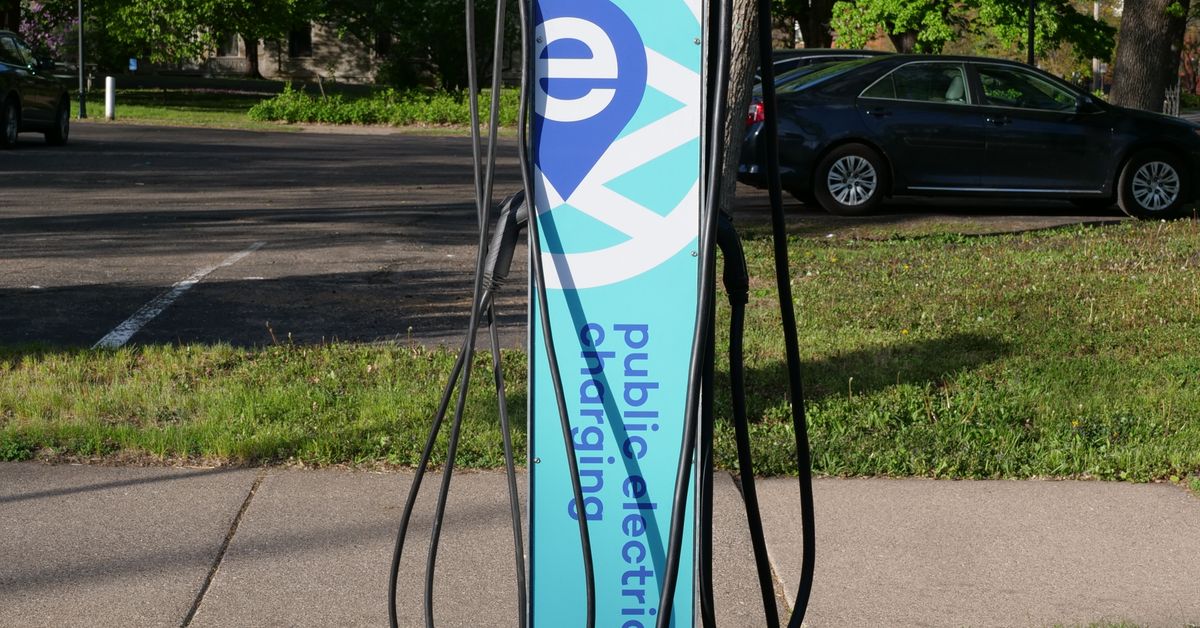
- Always factor in your local charging infrastructure and home charging setup when comparing range figures between models.
Before You Buy
Beyond the specific model, your total cost of ownership depends heavily on battery type, charging habits, and available subsidies. Read our guides on electric car battery types and lifespan and current EV subsidies before finalizing your decision, and use our EV vs Petrol Cost Comparison Calculator to estimate your long-term savings. Browse more explainers in the Green Tech & Innovation category.
Upcoming Electric Vehicles to Watch in India
Beyond the models already available, several manufacturers have announced upcoming electric vehicles expected to expand India’s EV options further in the coming year. Maruti Suzuki, historically absent from the EV segment, has entered the market and is expected to expand its electric lineup, leveraging its extensive existing dealer and service network to reach buyers in smaller cities where charging infrastructure and service support are still developing. Hyundai and Kia have also signaled continued investment in India-specific electric models, aiming to compete more directly with the domestic manufacturers currently leading the market. Additionally, several two-wheeler specialists continue to expand their electric scooter and motorcycle lineups, a segment that, despite losing its central subsidy, remains an active area of new model launches given its lower price point and shorter typical commute distances.
Two-Wheelers vs Four-Wheelers: Where India’s EV Growth Is Concentrated
While passenger electric cars receive significant media attention, electric two-wheelers and three-wheelers actually represent a larger share of India’s overall EV sales volume, driven by their lower price point and suitability for typical urban commute distances. Consequently, buyers specifically shopping for an electric car should recognize that the broader EV market data, including subsidy timelines and policy discussions, often centers on two-wheelers and three-wheelers, which follow somewhat different adoption dynamics and cost considerations than passenger cars. Therefore, when researching electric vehicles in India, it helps to clarify which vehicle category a given statistic or policy update actually refers to, since blanket “EV market” figures can otherwise be misleading if applied uniformly across very different vehicle types.
Frequently Asked Questions
Which brand sells the most electric cars in India?
Tata Motors holds the largest share of India’s electric car market at around 39%, followed by JSW MG Motor India at roughly 26% and Mahindra at approximately 21%.
Which electric car has the longest range in India?
The Mahindra BE 6 offers an ARAI-certified range of up to 682 km, making it one of the longest-range mass-market electric vehicles available in India as of 2026.
Is the Tata Nexon EV still a good choice in 2026?
Yes, it remains one of India’s best-selling electric cars, valued for its established charging compatibility, resale value, and reliable service network.
What should I prioritize when choosing an EV?
Match range, budget, and body style to your actual driving needs, and factor in your local charging infrastructure rather than choosing based on specs alone.
Are Mahindra’s new EVs built differently from older models?
Yes, the XEV 9e and BE 6 are built on a dedicated EV platform rather than adapted from existing petrol models, contributing to their longer range figures.
Sources and further reading: Ministry of Heavy Industries (PM E-DRIVE and EV schemes) | Ministry of Power

One thought on “Best Electric Vehicles in India 2026: A Buyer’s Guide”
Comments are closed.