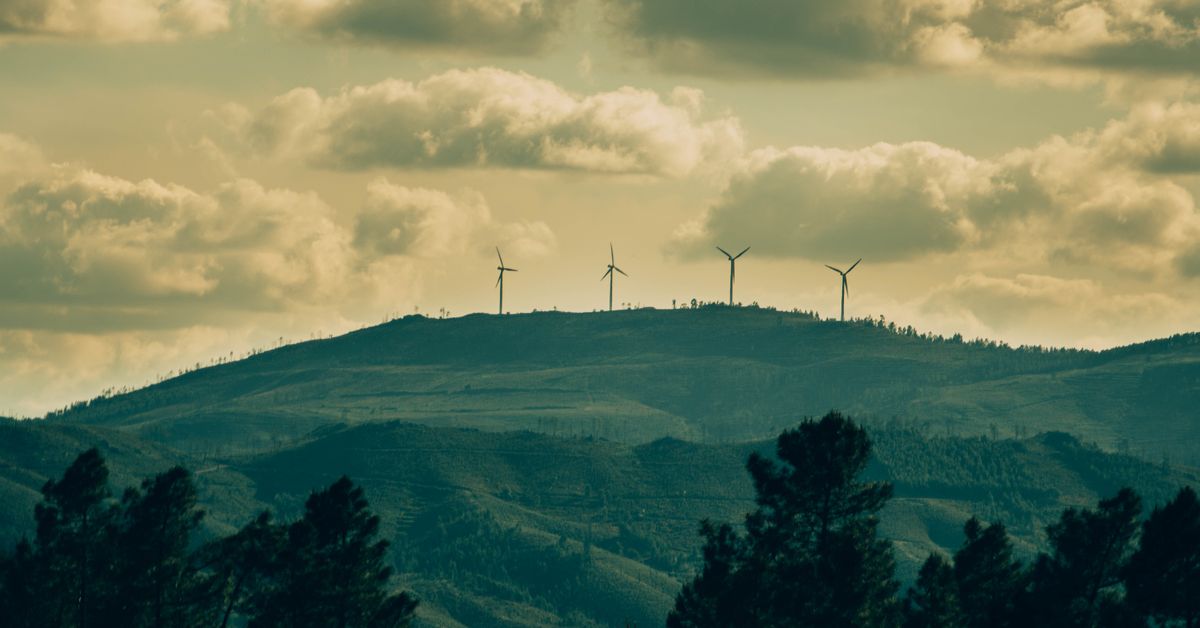
Renewable energy comes from naturally replenishing sources like sunlight, wind, and water, while non-renewable energy comes from finite resources like coal, oil, and natural gas that take millions of years to form. India’s renewable energy capacity, led by solar and wind, has grown rapidly, but non-renewable sources like coal still supply the majority of the country’s total electricity.
What Makes an Energy Source Renewable?
Renewable energy sources replenish naturally within a human timescale, meaning they won’t run out from continued use. Solar power draws from sunlight, wind energy from moving air, hydropower from flowing water, and biomass from organic material that regrows over time. Consequently, these sources can theoretically supply electricity indefinitely, provided the underlying infrastructure like panels and turbines is maintained or replaced as it wears out.
What Makes an Energy Source Non-Renewable?
Non-renewable energy sources, including coal, oil, and natural gas, formed over millions of years from decomposed organic matter under geological pressure, meaning the supply is finite and cannot be replenished on any practical timescale. Nuclear energy, while technically drawing on a finite fuel source (uranium), is sometimes categorized separately since it produces electricity without direct carbon emissions during generation, unlike fossil fuels. However, all non-renewable sources share the trait that reserves are ultimately limited and will eventually deplete.
Environmental Impact Comparison
Renewable energy sources generally produce little to no direct carbon emissions during electricity generation, making them central to reducing the greenhouse gas emissions driving climate change. In contrast, burning coal, oil, and natural gas releases significant carbon dioxide and other pollutants directly into the atmosphere, contributing to both climate change and local air quality problems in cities that rely heavily on fossil fuel power plants. Additionally, extracting non-renewable resources through mining and drilling often causes further environmental damage that renewable energy infrastructure largely avoids.
Cost and Reliability Trade-offs
Renewable energy costs have fallen dramatically over the past decade, with solar and wind now among the cheapest sources of new electricity generation in India. However, renewable sources are intermittent, meaning solar only generates during daylight and wind depends on weather conditions, requiring battery storage or backup power to ensure reliable supply around the clock. Non-renewable sources, by contrast, can generate electricity consistently on demand regardless of weather, which is part of why they still supply the majority of India’s baseload power even as renewable capacity expands.
India’s Current Energy Mix
Despite rapid renewable growth, with solar capacity crossing 164 GW and wind capacity reaching 57,443 MW by mid-2026, coal still remains the largest single source of electricity generation in India’s overall grid mix. Therefore, the transition toward renewable energy is a gradual, long-term shift rather than an overnight replacement, with both renewable and non-renewable sources coexisting during the transition period. To understand the individual technologies driving this shift, read our explainers on how solar power works and what wind energy is. Browse more explainers in the Green Tech & Innovation category, or check your own energy footprint with the Carbon Footprint Calculator.
The Global Shift Toward Renewable Energy
India’s renewable energy expansion mirrors a broader global trend, as countries worldwide increasingly prioritize solar and wind capacity to meet climate commitments made under international agreements. Global renewable capacity additions have consistently outpaced non-renewable additions in recent years, driven largely by falling technology costs that have made solar and wind cheaper than new coal or gas plants in most markets. Consequently, India’s position as one of the world’s largest renewable energy markets, alongside China and the United States, places it at the center of this global transition, with significant implications for domestic manufacturing, job creation, and energy security.
Energy Security and the Case for Diversification
Beyond environmental considerations, India’s push toward renewable energy also addresses a practical energy security concern, since the country imports a substantial share of its crude oil and a meaningful portion of its coal, exposing it to global price volatility and supply disruptions. Renewable energy sources, by contrast, rely on domestic resources like sunlight and wind that cannot be disrupted by international markets or geopolitical tensions, offering a degree of energy independence that fossil fuel imports cannot match. Therefore, India’s energy strategy increasingly frames renewable expansion not only as a climate policy but as a practical hedge against future fossil fuel price shocks and import dependency.
Frequently Asked Questions
What is the main difference between renewable and non-renewable energy?
Renewable energy comes from naturally replenishing sources like sunlight and wind, while non-renewable energy comes from finite resources like coal and oil that took millions of years to form.
Is nuclear energy renewable or non-renewable?
Nuclear energy is generally categorized as non-renewable since it relies on a finite fuel source, uranium, though it produces electricity without direct carbon emissions during generation.
Why does India still rely on non-renewable energy?
Non-renewable sources can generate electricity consistently on demand, while renewable sources are intermittent and require battery storage or backup to ensure reliable round-the-clock supply.
Which is cheaper, renewable or non-renewable energy?
Renewable energy costs have fallen dramatically, with solar and wind now among the cheapest sources of new electricity generation in many parts of India.
What percentage of India’s energy is renewable?
Renewable capacity has grown rapidly, but coal still supplies the largest share of India’s total electricity generation as of 2026, with the transition happening gradually.
Sources and further reading: Ministry of New and Renewable Energy | International Energy Agency


One thought on “Renewable vs Non-Renewable Energy: Key Differences Explained”
Comments are closed.