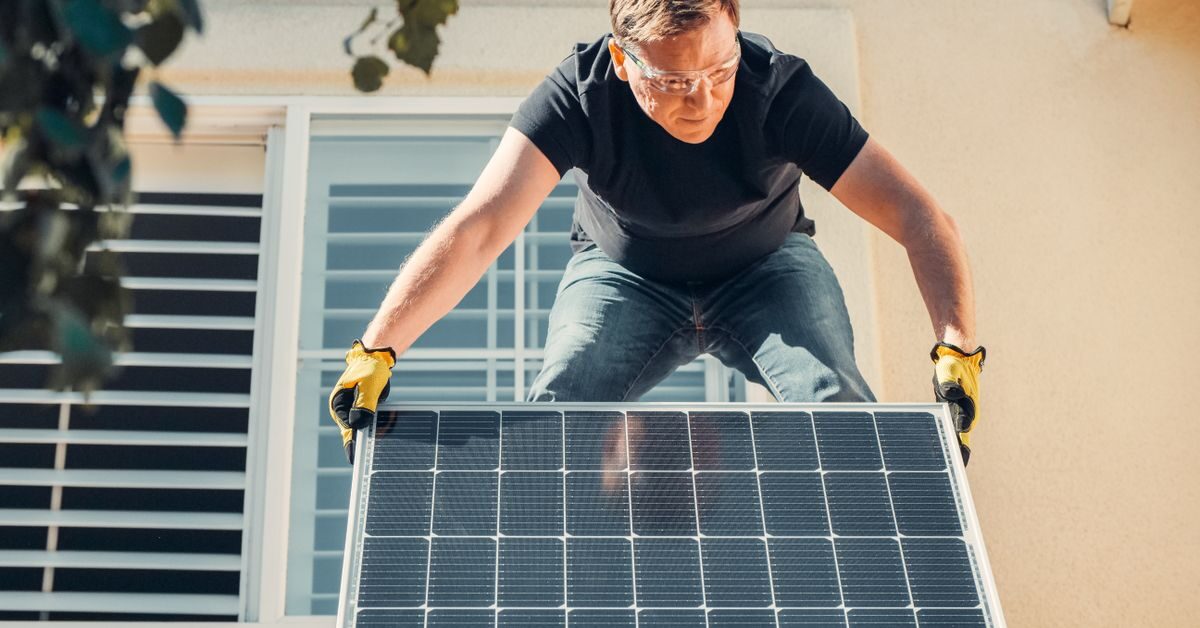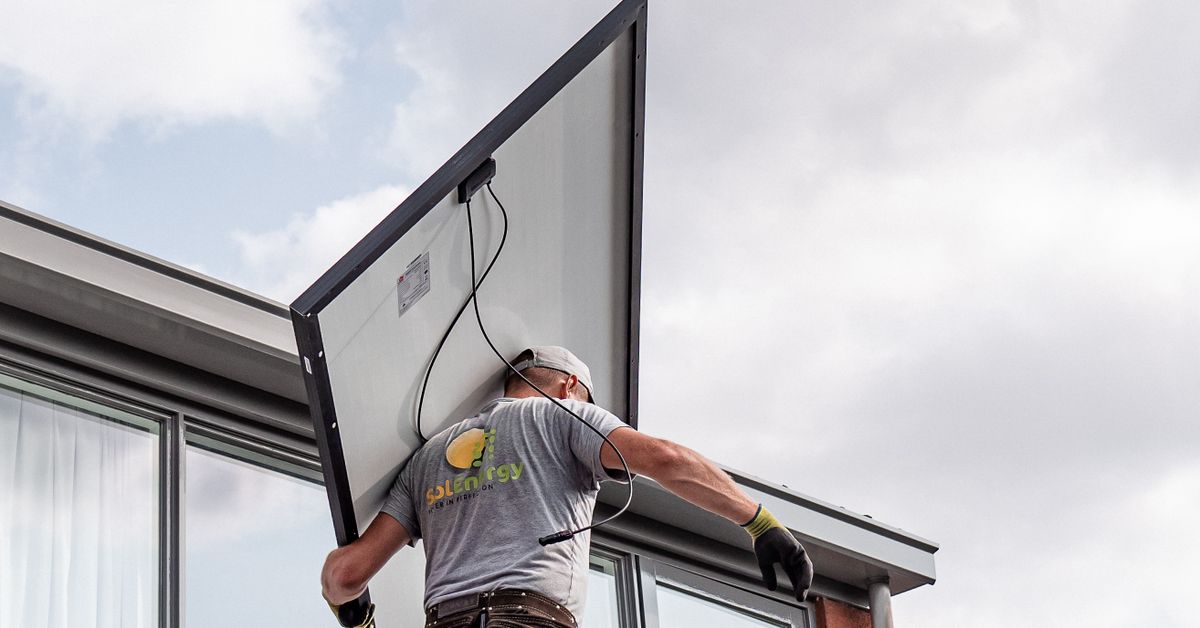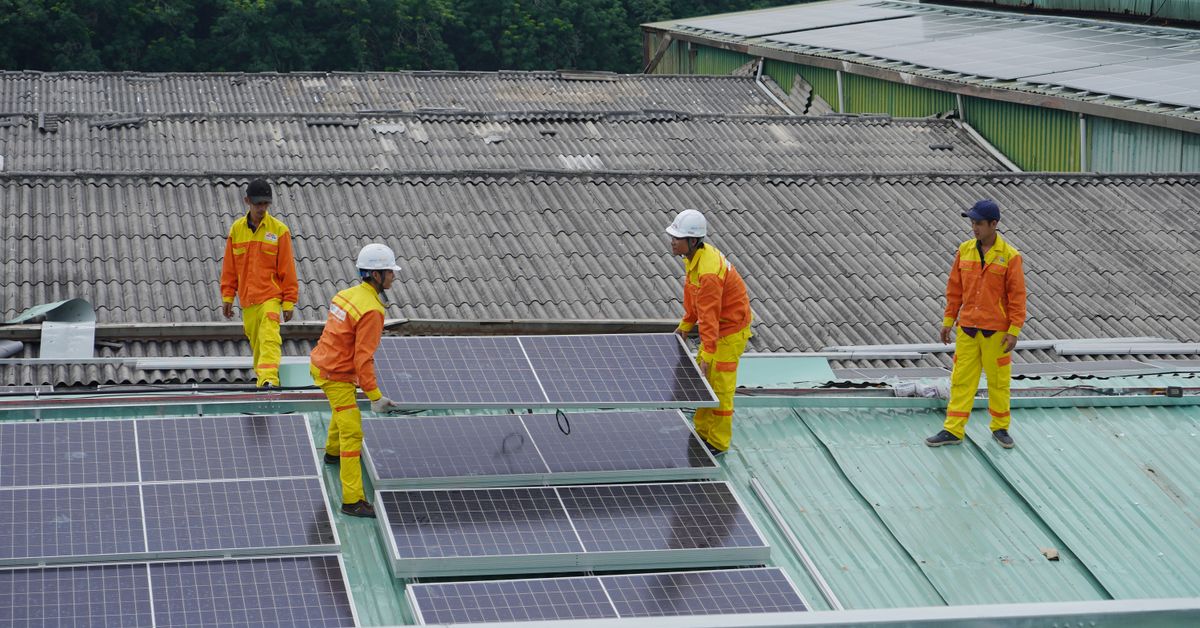
India’s leading solar panel manufacturers include Waaree Energies, Adani Solar, Vikram Solar, and Tata Power Solar, each with large-scale manufacturing capacity and BIS-certified products. Choosing the right company depends less on brand name alone and more on warranty terms, after-sales service in your area, and panel efficiency for your specific roof.
Leading Solar Panel Manufacturers in India
Waaree Energies currently leads India’s ALMM-listed manufacturing capacity at nearly 12 GW, making it one of the largest and most widely available solar brands in the country. Adani Solar has rapidly scaled its integrated cell and module production toward a 10 GW capacity target, offering high-efficiency mono PERC and TOPCon panel technology. Vikram Solar is a globally recognized Indian manufacturer that supplies panels across multiple countries in addition to the domestic market. Tata Power Solar, backed by the Tata Group, has over three decades of industry experience and more than 1.8 GW of manufacturing capacity.
What Actually Matters When Choosing a Company
- Product warranty: most reputable brands offer 10 to 12 years on equipment and 25 years on performance, so check both terms rather than just one.
- Panel technology: mono PERC and TOPCon panels generally offer higher efficiency than older polycrystalline panels, which matters more on limited roof space.
- Local installer network: even a strong national brand is only as good as the local installer handling your specific installation and after-sales support.
- BIS certification: always confirm the specific panel model is BIS-certified, since this is required for PM Surya Ghar subsidy eligibility.
Manufacturing Capacity Isn’t Everything
A company’s total manufacturing capacity indicates scale and market presence, but it does not automatically determine the quality of installation you’ll receive at the household level. Consequently, it is worth researching the specific local installer or EPC (engineering, procurement, and construction) partner handling your project, since installation quality significantly affects a system’s long-term performance regardless of panel brand. Furthermore, checking recent customer reviews specific to your city, rather than only the manufacturer’s national reputation, gives a more accurate picture of what to expect.
Comparing Costs Across Brands
Panel pricing varies by brand, technology, and region, but the difference between major established manufacturers is often smaller than buyers expect once installation and service quality are factored in. Therefore, rather than choosing solely based on the lowest quoted price, it is worth comparing at least two or three empanelled vendors and confirming what warranty and maintenance support each includes. For a full breakdown of what to expect to pay, see our guide on solar panel installation costs in India, and check your subsidy eligibility through our explainer on PM Surya Ghar Yojana.
Before You Commit to a Brand
Use GreenNewsDesk’s Solar Panel Savings Calculator to estimate your expected savings regardless of which manufacturer you choose, since the underlying math depends more on your location and system size than the specific brand. You can also read our foundational guide on how solar power works before comparing vendors. Browse more explainers in the Green Tech & Innovation category.
Red Flags to Watch for When Choosing an Installer
Beyond comparing manufacturer names, several warning signs can help you avoid a poor installation experience regardless of which panel brand you choose. Be cautious of installers who quote a price significantly lower than competitors without a clear explanation, since this often signals lower-quality components, undersized wiring, or corners cut on installation labor. Additionally, avoid vendors who pressure you into an immediate decision or refuse to provide a detailed written quote breaking down equipment, labor, and any additional charges separately. A reputable installer should also be willing to explain their after-sales service process clearly, including who to contact if something goes wrong after installation and what response time to expect.
Questions to Ask Before Signing a Contract
- What specific warranty terms apply to both the panels and the installation labor separately, and are they documented in writing?
- Is the vendor officially empanelled for PM Surya Ghar subsidy processing, and can they confirm this on the official portal?
- What is the expected timeline from installation to net metering approval, and who handles the DISCOM paperwork?
- Can they provide references or installations you can inspect in your local area before committing?
Asking these questions upfront helps filter out less reliable vendors regardless of which manufacturer’s panels they install, since installation quality and service reliability ultimately determine your day-to-day experience with the system far more than the panel brand alone.
Frequently Asked Questions
Which is the best solar panel company in India?
Waaree, Adani Solar, Vikram Solar, and Tata Power Solar are among the largest and most established manufacturers, but the right choice depends on warranty terms, local installer support, and panel technology for your specific needs.
Does a bigger manufacturing capacity mean better panels?
Not necessarily. Larger capacity indicates scale and market presence, but installation quality and local after-sales service often matter more for your actual system performance.
What warranty should I expect from a reputable solar company?
Most established brands offer 10 to 12 years of product warranty and up to 25 years of performance warranty, so it’s worth confirming both terms before purchasing.
Is panel certification important when choosing a company?
Yes, confirming BIS certification for the specific panel model is essential, since it is required for PM Surya Ghar subsidy eligibility in India.
Should I choose based on price alone?
No, comparing installation quality, warranty coverage, and local service support across a few vendors typically matters more than choosing the single lowest quote.
Sources and further reading: PM Surya Ghar: Muft Bijli Yojana (official portal) | Ministry of New and Renewable Energy