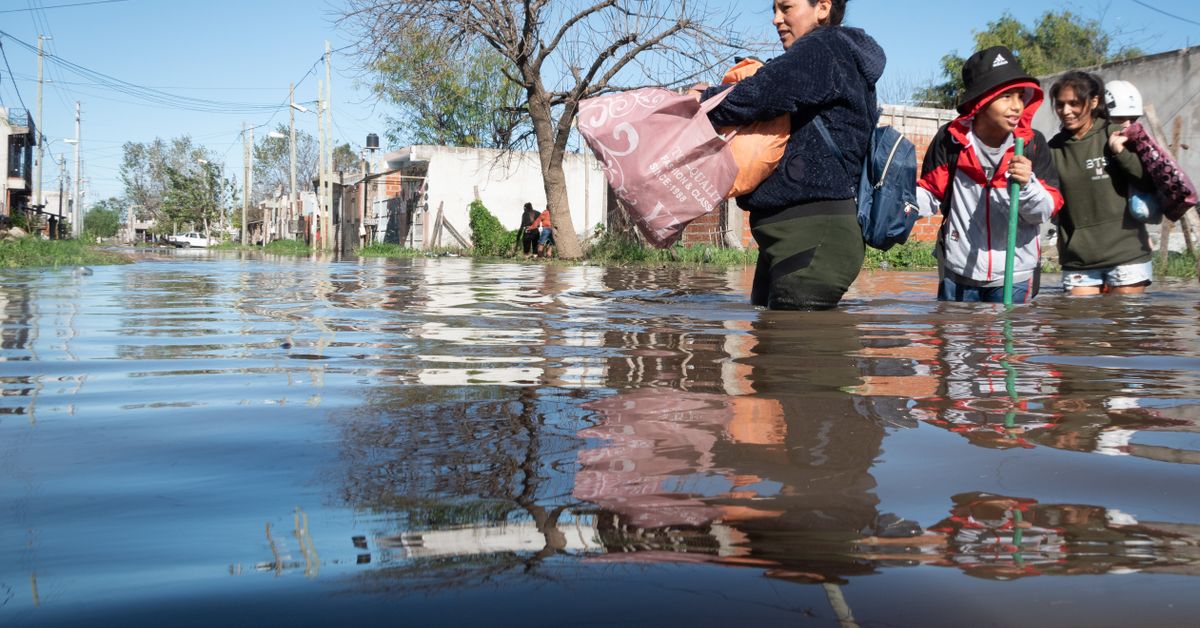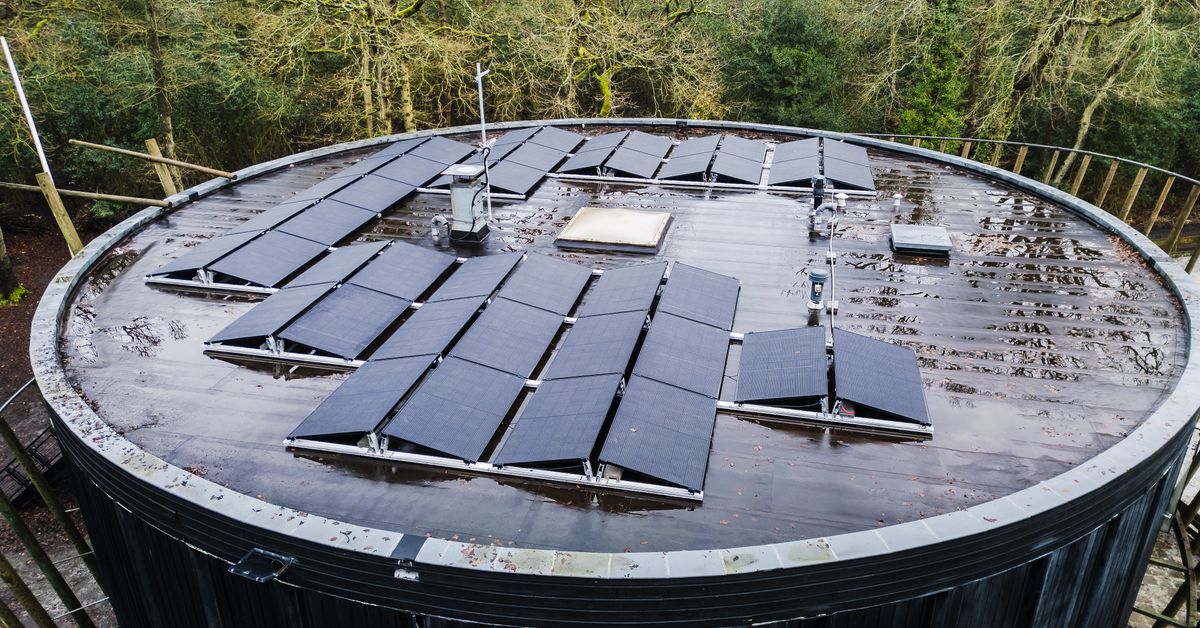
Five Indian states and union territories, Assam, Kerala, Tamil Nadu, West Bengal, and Puducherry, held assembly elections in 2026, with campaigning and manifestos touching on climate-vulnerable issues like flooding, coastal erosion, and renewable energy policy in varying degrees. However, most environmental experts note that state elections in India rarely produce major shifts in climate policy direction, with growth-focused development typically prioritized over decarbonization targets.
Which States Voted in 2026 and When
The 2026 state elections were announced in March, with voters in Assam, Kerala, and Puducherry going to the polls on April 9, followed by Tamil Nadu and West Bengal in two phases on April 23 and April 29. Votes were counted on May 4, 2026, with the results collectively determining representation across 824 legislative seats spanning Assam’s 126 seats, Kerala’s 140 seats, Tamil Nadu’s 234 seats, West Bengal’s 294 seats, and Puducherry’s 30 elected seats.
How Environmental Issues Featured in Campaigns
In Kerala, environmental groups pushed a “green manifesto” urging parties to place climate and ecology at the center of governance, specifically addressing floods, landslides, coastal erosion, quarrying regulation, and the state’s continued heavy dependence on fossil-fuel electricity imported from other states. Advocates called for Kerala to shift toward decentralized renewable systems, distributed solar generation, and smart grid infrastructure rather than remaining reliant on externally sourced fossil power. In Tamil Nadu, a climate-vulnerable state facing recurring cyclones, party manifestos included promises around afforestation, river restoration, and wetland protection, though these commitments sat alongside simultaneous promises of large-scale industrial corridors and urban expansion, a contradiction environmental analysts flagged during the campaign. West Bengal’s manifestos centered more heavily on agriculture, housing, and welfare spending, with comparatively less specific detail on renewable energy or climate adaptation commitments.
Why State Elections Rarely Reshape National Climate Policy
India’s climate and energy policy has consistently been described by analysts as growth-led, meaning decisions are driven primarily by the need to meet rising energy demand across a growing population and industrial base, rather than by electoral promises around decarbonization. Consequently, even when state-level campaigns raise environmental issues prominently, as in Kerala’s 2026 election, the resulting policy shifts tend to be incremental rather than transformative, since core energy and industrial policy decisions are largely set at the central government level. Therefore, state elections function more as a barometer of local environmental concern, particularly in climate-vulnerable states, than as a direct lever for national-level climate policy change.
The Broader Environmental Backdrop in 2026
The Centre for Science and Environment’s State of India’s Environment 2026 report, released around the same period as these elections, highlighted rising frequency of extreme weather events, increasing flood risk, and persistent gaps in air pollution monitoring as ongoing national challenges regardless of which state governments hold power. On the renewable energy side, national solar capacity had reached roughly 140 GW and wind capacity around 50 GW by January 2026, reflecting continued expansion driven primarily by central government schemes and falling technology costs rather than state-specific initiatives. This national backdrop underscores why state elections, while locally significant, operate within a climate and energy policy framework largely shaped at the center.
What This Means Going Forward
For residents of climate-vulnerable states like Kerala and Tamil Nadu, tracking how elected state governments follow through on flooding, coastal protection, and renewable infrastructure commitments made during campaigns remains one of the more direct ways to hold local policy accountable. To understand the renewable energy expansion happening at the national level regardless of state election outcomes, see our explainers on how solar power works and renewable vs non-renewable energy. Browse more articles in the Green Living Guide category.
How Citizens Can Track State Climate Policy Progress
Tracking whether state governments follow through on climate commitments is easier than most residents realise. Most states publish annual State Action Plan on Climate Change (SAPCC) updates, which detail renewable energy targets, afforestation progress, and emissions data. The Ministry of Environment, Forest and Climate Change maintains a public repository of these plans alongside compliance status. Citizens can also monitor state electricity regulatory commission filings, which reveal actual renewable energy procurement against targets. Comparing manifesto promises against these public filings each year gives a clearer picture of policy follow-through than campaign messaging alone.
Frequently Asked Questions
Which Indian states held elections in 2026?
Assam, Kerala, Tamil Nadu, West Bengal, and the union territory of Puducherry held assembly elections in 2026, with voting between April 9 and April 29 and results declared May 4.
Did environmental issues feature prominently in the 2026 state elections?
Environmental issues featured most prominently in Kerala, where a green manifesto campaign pushed climate and ecology issues, and in Tamil Nadu, where cyclone vulnerability shaped some campaign promises.
Do state elections significantly change India’s national climate policy?
Rarely. India’s climate and energy policy is largely growth-led and set at the central government level, so state elections tend to produce incremental rather than transformative policy shifts.
What is Kerala’s main environmental challenge highlighted in 2026?
Kerala’s dependence on fossil-fuel electricity imported from other states, alongside flooding, landslides, and coastal erosion risks, were central concerns raised by environmental groups during the election.
What was India’s renewable energy capacity around the 2026 elections?
National solar capacity had reached roughly 140 GW and wind capacity around 50 GW by January 2026, reflecting continued central government-driven expansion.