A sudden drop in solar panel output is most often caused by dust and soiling, which can reduce generation by 10-15% with light buildup and up to 40% with heavy buildup — making panel cleaning the first thing to check before assuming a hardware fault. Roughly 80% of low-performance cases resolve with simple maintenance rather than requiring a technician visit or part replacement.
Check for Dust and Soiling First
Soiling is the single most common cause of reduced solar output. Dust, pollution residue, and bird droppings accumulate on panel surfaces and block sunlight from reaching the photovoltaic cells beneath. In dry regions with infrequent rain, dust alone can reduce output by 15-25% between cleanings. Cleaning panels with water and a soft brush or squeegee, ideally early morning or evening to avoid thermal shock from cold water on hot glass, typically restores output within the same day.
Check for New Shading
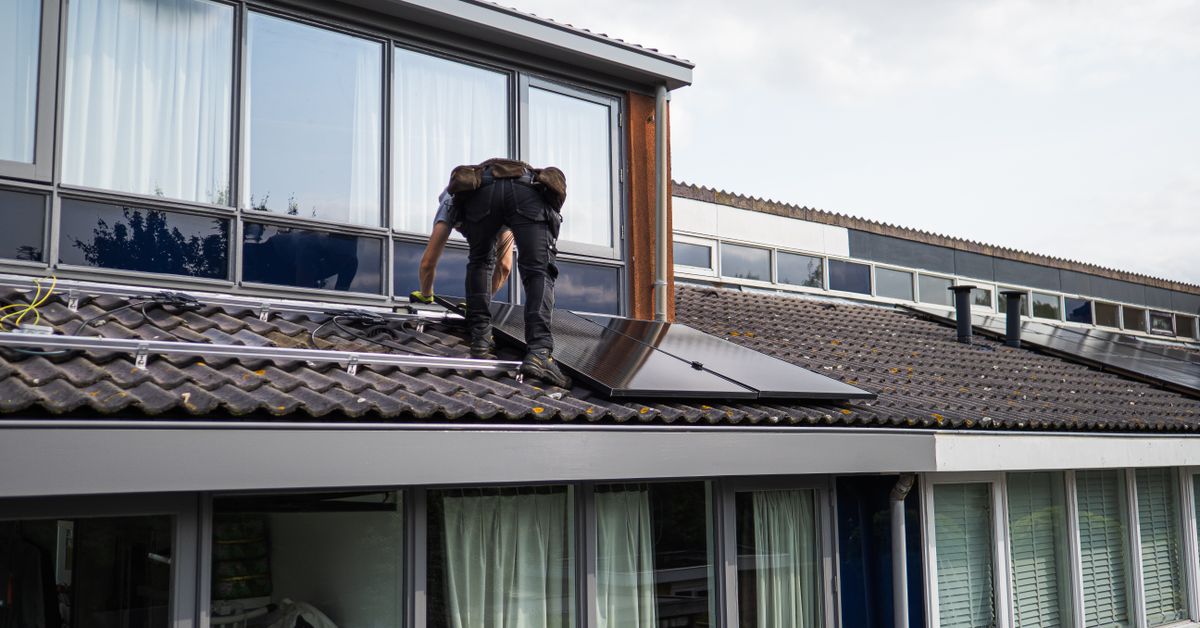
If output has dropped without any visible dirt buildup, new shading is a likely cause — a tree that has grown taller, a new structure nearby, or even a satellite dish can cast a shadow across part of the array at certain times of day. Partial shading is particularly damaging to output because it can affect an entire string of panels, not just the shaded cells, and may create hotspots that damage cells over time if left unaddressed. Observing the array at different times of day across a full day can reveal shading patterns that aren’t obvious from a single glance.
Check Wiring and Connections
Loose or corroded MC4 connectors and wiring create electrical resistance that reduces power output, and connections can loosen gradually over months or years of thermal expansion and contraction. A visual inspection of accessible connection points, checking for looseness, discolouration, or corrosion, can identify this issue, though testing individual string voltages typically requires a technician with the right equipment to pinpoint exactly where resistance is occurring.
Check the Inverter
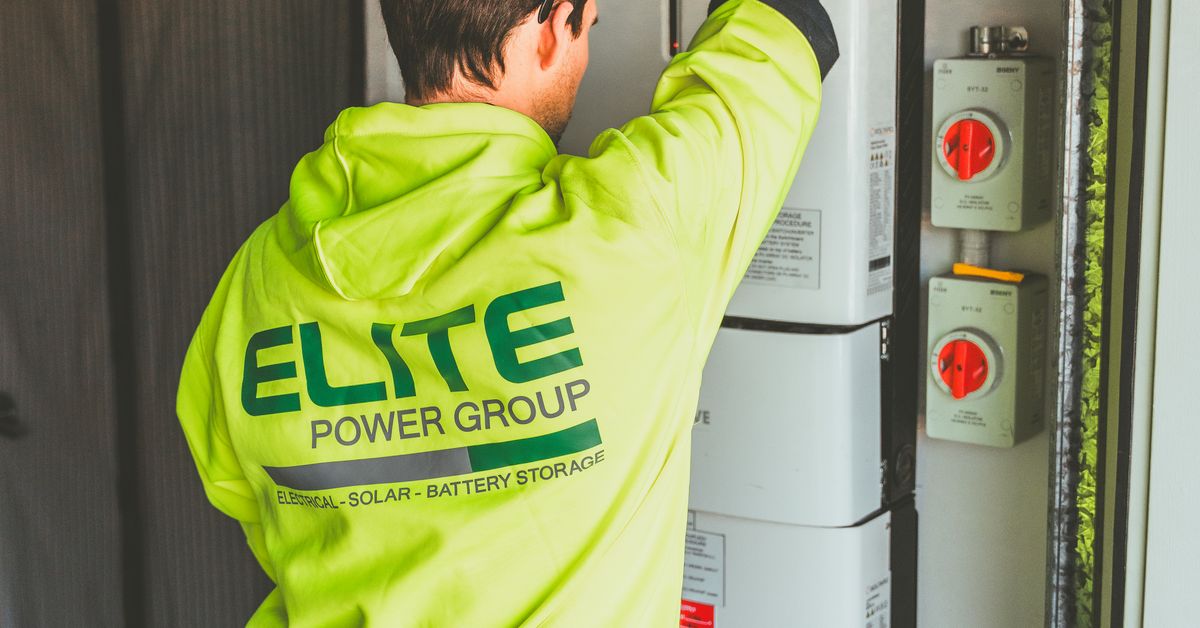
If panels are producing DC power normally but overall system output is still low, the inverter converting that DC power to usable AC power may be malfunctioning. Most modern inverters display error codes or performance data through an app or on-device display, which can indicate whether the inverter itself is underperforming rather than the panels. A damaged charge controller in off-grid or hybrid systems can similarly limit how much of the panels’ generated energy actually reaches your home or battery.
Consider Seasonal and Temperature Effects
Some output drop is normal and expected rather than a fault. Winter months bring shorter days and a lower sun angle, reducing total generation regardless of system health. Conversely, extremely high summer temperatures can cause “heat fade,” where panel efficiency actually decreases in very hot conditions despite longer daylight hours. Comparing current output against the same month in a previous year, rather than against summer peak output, gives a more accurate sense of whether a real problem exists.
Building a Simple Maintenance Routine
Preventing output drops is more efficient than repeatedly diagnosing them. Cleaning panels every 4-6 weeks in dusty regions, or after any dust storm or prolonged dry spell, keeps soiling losses to a minimum without needing constant monitoring. Checking the monitoring app or inverter display weekly for unusual generation dips helps catch shading, wiring, or inverter issues early, before they compound into a larger loss. Most rooftop solar installers offer annual maintenance contracts that include a full inspection of connections, mounting hardware, and inverter health, which is worth considering for larger systems where manual inspection of every connection point isn’t practical. Our guide on choosing a solar panel installer covers what to look for in an annual maintenance contract.
How to Monitor Output Without Special Equipment
Most grid-tied solar installations in India come with a basic monitoring app that shows daily and monthly generation figures, which is the simplest way to catch output drops early without needing any additional equipment. Comparing your system’s generation against a solar irradiance estimate for your city and season, available through several free online solar calculators, gives a useful sanity check on whether your output is within a normal range or genuinely underperforming. Significant, sustained deviation from expected output for your system size and location is the clearest signal that a real problem, rather than normal seasonal variation, is occurring.
Frequently Asked Questions
How much can dust reduce solar panel output?
Light dust can reduce output by 10-15%, while heavy buildup can cause losses of up to 40% until panels are cleaned.
Can a small amount of shading really affect the whole system?
Yes, partial shading can affect an entire string of panels, not just the shaded cells, and may create damaging hotspots if left unaddressed.
Is it normal for solar output to drop in winter?
Yes, shorter days and a lower sun angle reduce total generation in winter regardless of system health.
Do most low-output problems require a technician?
No, roughly 80% of low-performance cases resolve with simple maintenance like cleaning or checking connections rather than requiring professional repair.
Use our Solar Panel Savings Calculator to check your expected output, and read our guide on solar panel installation costs for maintenance budgeting.
Sources and further reading: PM Surya Ghar: Muft Bijli Yojana (official portal) | Ministry of New and Renewable Energy