An EV that won’t charge fully in India is most often caused by a tripped MCB from shared circuit load, not a fault with the car or charger — this is especially common on summer evenings when an air conditioner and EV charger draw power on the same circuit simultaneously. Working through electrical, thermal, and battery-related causes in order usually identifies the problem within minutes.
Check for a Tripped MCB First
MCB tripping is the most common cause of incomplete EV charging in Indian homes. If your EV charger shares a circuit with heavy appliances like air conditioners, geysers, or water pumps, the combined electrical load can exceed the MCB’s rated capacity and trip the breaker mid-charge. A 7kW home charger needs a dedicated 40A MCB on its own circuit, separate from other high-draw appliances, to charge reliably without interruption.
Check for Charger Overheating
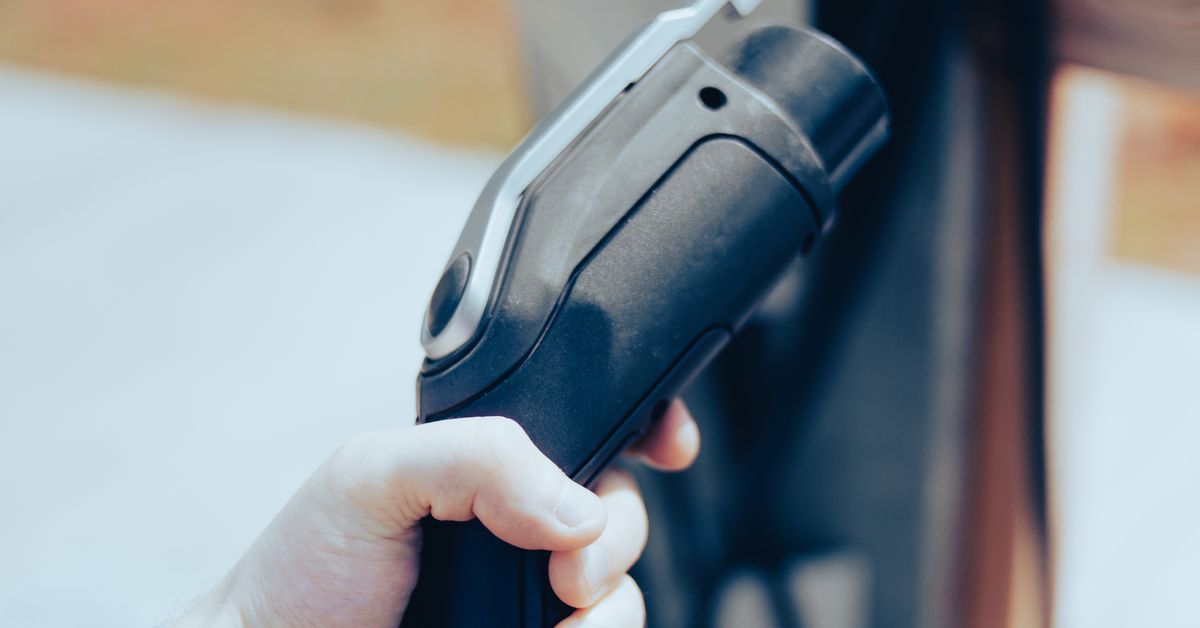
Chargers installed in direct sunlight or unventilated spaces can overheat and automatically reduce charging speed or stop entirely as a safety measure. This is more common during Indian summers when ambient temperatures exceed 45°C. A charging cable coiled too tightly during use, or a connector not fully seated in the car’s charging port, can also cause resistance heating that triggers a safety cutoff. Ensuring adequate ventilation around the charger and confirming the connector is fully seated resolves most overheating-related charging failures.
Check Your Home Electrical Wiring
Thin or aluminium wiring not rated for the charger’s load is a frequent cause of both overheating and voltage drop that causes a charger to throttle output or fault out mid-session. Longer cable runs from your electrical panel to the charger need proportionally thicker copper cable to avoid voltage drop. If charging problems appeared after a long period of normal function, checking for wear or loosening at wiring connections is worth doing, since cabling can degrade over time even without any change in usage pattern.
Check for Earth Leakage, Especially During Monsoon
Genuine earth leakage often stems from moisture entering an outdoor charger, socket, or junction box, which is a common issue during monsoon season in India. If your charger consistently trips a leakage protection device (RCD/RCCB) specifically during or after rain, moisture ingress into an outdoor installation is a likely cause, and the electrical enclosure should be inspected and sealed by a qualified electrician rather than repeatedly reset.
Is It Actually Battery Degradation?
If none of the above issues apply and charging has slowed gradually over months or years rather than suddenly, natural battery degradation may be the cause. EV batteries lose some capacity over time, and this process accelerates with frequent fast charging, exposure to extreme temperatures, and habitually charging to 100% rather than a more moderate range. This is a gradual, expected process rather than a fault, though a sudden, sharp drop in charging capacity is more likely an electrical or thermal issue than degradation and should be investigated as such first.
When to Call an Electrician vs Troubleshoot Yourself
Checking MCB ratings, ventilation, and connector seating are safe for most EV owners to inspect themselves. However, any sign of earth leakage tripping, visible wire damage, or a charger that gets unusually hot to the touch warrants a qualified electrician rather than continued self-troubleshooting, since these can indicate an underlying safety issue rather than a simple configuration problem. Most Indian EV manufacturers also offer dedicated charger support lines that can remotely diagnose software-related charging faults, which is worth trying before assuming the problem is electrical if the charger’s display shows an error code rather than simply stopping silently. Our guide on the best EVs in India 2026 includes manufacturer-specific support details worth checking.
What to Do Before Calling Roadside Assistance
Before assuming a serious fault and calling for roadside assistance or a service appointment, a few quick checks can save time. Confirm the charging cable is fully seated at both the wall connector and the vehicle port, check whether other appliances on the same circuit are running simultaneously, and note any error codes shown on the charger or vehicle display. Photographing the error code and noting the exact time and conditions (weather, other appliances in use) gives the manufacturer’s support team useful diagnostic information and often speeds up remote troubleshooting before an in-person visit is even needed.
Frequently Asked Questions
Why does my EV charger keep tripping the circuit breaker?
Usually because the charger shares a circuit with other heavy appliances like an AC or geyser, and the combined load exceeds the MCB’s rated capacity.
Can hot weather affect EV charging speed?
Yes. Chargers can overheat in direct sunlight or unventilated spaces during Indian summers, automatically reducing speed or stopping as a safety measure.
Why does my charger trip only during monsoon?
This usually indicates moisture entering an outdoor charger, socket, or junction box, triggering earth leakage protection.
Is slow charging always a sign of battery degradation?
No. Gradual slowing over months can indicate degradation, but sudden charging problems are more likely electrical or thermal issues.
For a full cost breakdown, see our guide on home vs public EV charging costs, and use our EV vs Petrol Cost Calculator to estimate your running costs.
Sources and further reading: Ministry of Heavy Industries (PM E-DRIVE and EV schemes) | Ministry of Power