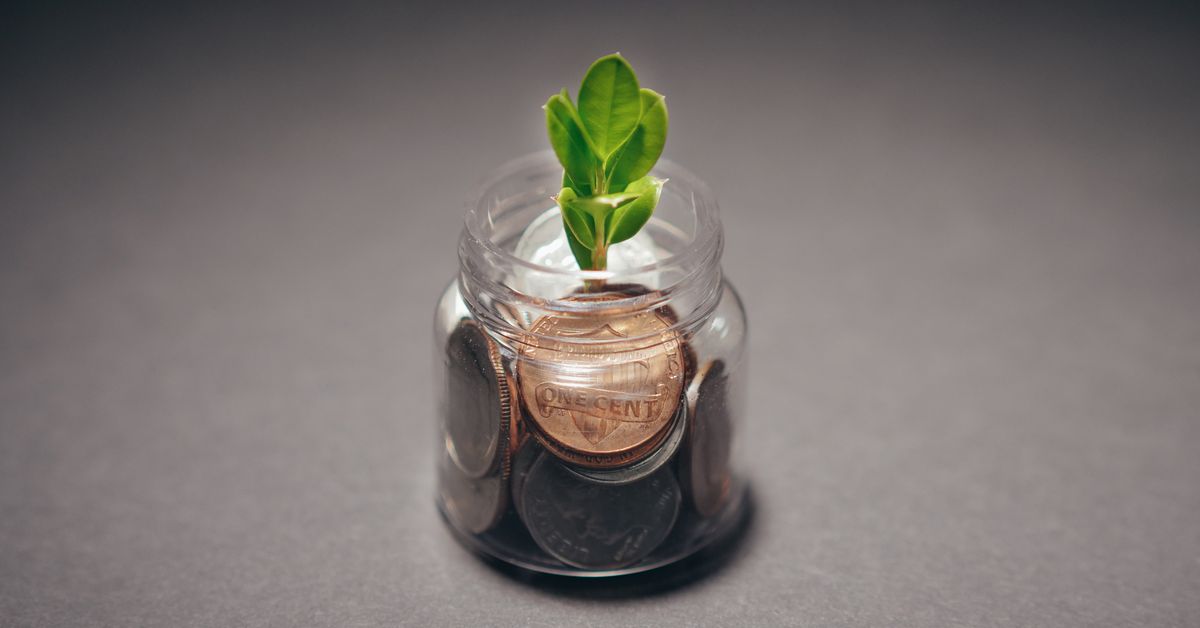
Sustainable business practices are operational decisions that balance profit with environmental and social responsibility, commonly framed around the “triple bottom line” of People, Planet, and Profit. Rather than treating sustainability as a separate initiative, businesses increasingly integrate it directly into core operations, from supply chain sourcing to employee policies to product design.
The Triple Bottom Line Framework
Introduced by John Elkington in the 1990s, the triple bottom line framework broadens traditional business reporting beyond financial performance alone to also account for social and environmental impact. The “People” pillar covers fair and ethical treatment of labour, contribution to community development, and enhancing quality of life for those affected by the business. The “Planet” pillar covers minimizing ecological footprint through reduced waste, pollution, and carbon emissions, along with sustainable material sourcing and resource conservation. The “Profit” pillar reflects the reality that businesses must remain economically viable, but pursuing that viability without compromising social and environmental responsibility. Consequently, sustainable business practices aren’t about sacrificing profitability for environmental goals, but pursuing both simultaneously.
Common Sustainable Business Practices
- Supply chain sustainability: sourcing materials and components from suppliers that meet defined environmental and labour standards, and increasingly tracking suppliers’ own emissions.
- Circular economy practices: designing products for reuse, repair, or recycling rather than disposal, reducing overall material waste and resource extraction.
- Energy efficiency investments: upgrading facilities and operations to reduce energy consumption, both cutting costs and reducing carbon footprint simultaneously.
- Ethical labour practices: ensuring fair wages, safe working conditions, and equitable treatment across a company’s own workforce and its supply chain.
- Transparent reporting: publishing sustainability performance data, whether through voluntary reports or mandatory frameworks like BRSR, to build stakeholder trust.
Why Businesses Are Adopting Sustainable Practices
Beyond regulatory pressure from frameworks like SEBI’s BRSR, businesses increasingly adopt sustainable practices because of genuine commercial advantages, including reduced operational costs from energy and resource efficiency, improved access to green financing at favorable terms, and growing consumer preference for environmentally responsible brands. Additionally, businesses with weak sustainability practices face growing risk of exclusion from institutional investment portfolios that specifically screen for ESG performance, making sustainability increasingly tied to a company’s cost of capital and market access. Therefore, sustainable business practices have shifted from a reputational consideration to a material factor affecting competitiveness and financial performance.
Challenges in Implementing Sustainable Practices
For small and medium enterprises specifically, research on Indian manufacturing SMEs has identified critical success factors for triple bottom line adoption, noting that resource constraints, limited technical expertise, and unclear return-on-investment timelines often slow adoption compared to larger companies with dedicated sustainability teams and budgets. Consequently, industry associations and government programs increasingly offer specific support, training, and incentive structures aimed at helping smaller businesses adopt sustainable practices without requiring the scale of resources larger corporations can deploy.
Getting Started With Sustainable Business Practices
For businesses beginning this transition, starting with an honest assessment of current environmental and social impact, then prioritizing changes with the clearest combination of cost savings and impact, tends to produce more durable results than attempting a comprehensive overhaul all at once. To understand specific sustainable business models you might adopt, see our guide on sustainable business models and examples. You can also assess your organization’s ESG standing using GreenNewsDesk’s ESG Score Self-Assessment Tool. Browse more explainers in the Green Finance & Business category.
Benefits of Adopting Sustainable Business Practices
Companies that adopt sustainable business practices often see benefits beyond compliance and reputation. Operationally, energy efficiency and waste reduction initiatives frequently lower costs over time, since resource use is directly tied to expenditure. From a talent perspective, younger employees increasingly favour employers with credible sustainability commitments, which can improve hiring and retention. Additionally, companies with strong ESG practices often find it easier to access green financing instruments, such as green loans or bonds, at competitive terms. Finally, as more institutional investors screen portfolios for ESG compliance, companies with weak sustainability practices risk being excluded from a growing pool of ESG-focused capital, making sustainable practices a financial consideration as much as an ethical one.
Frequently Asked Questions
What are sustainable business practices?
Sustainable business practices are operational decisions that balance profit with environmental and social responsibility, commonly framed around the triple bottom line of People, Planet, and Profit.
What is the triple bottom line?
The triple bottom line is a framework introduced by John Elkington that broadens business reporting beyond financial performance to also account for social and environmental impact.
Why are businesses adopting sustainable practices?
Businesses adopt sustainable practices for cost savings from efficiency, improved access to green financing, consumer preference, and regulatory requirements like BRSR.
What challenges do small businesses face in adopting sustainability?
Resource constraints, limited technical expertise, and unclear return-on-investment timelines often slow adoption compared to larger companies.
Where should a business start with sustainable practices?
Starting with an honest assessment of current impact, then prioritizing changes with the clearest combination of cost savings and impact, tends to produce durable results.
Sources and further reading: Ministry of Environment, Forest and Climate Change | United Nations Sustainable Development Goals