Solar panels deliver substantially higher total lifetime savings than solar water heaters in India, but solar water heaters pay back their lower upfront cost faster, typically within 3 to 7 years compared to a longer payback period for a full solar panel system. A 4 kW rooftop solar panel system can save an estimated ₹20 lakh or more over 25 years, while a solar water heater typically saves ₹1.5 to ₹2 lakh over a 15-year lifespan.
What Each System Actually Does
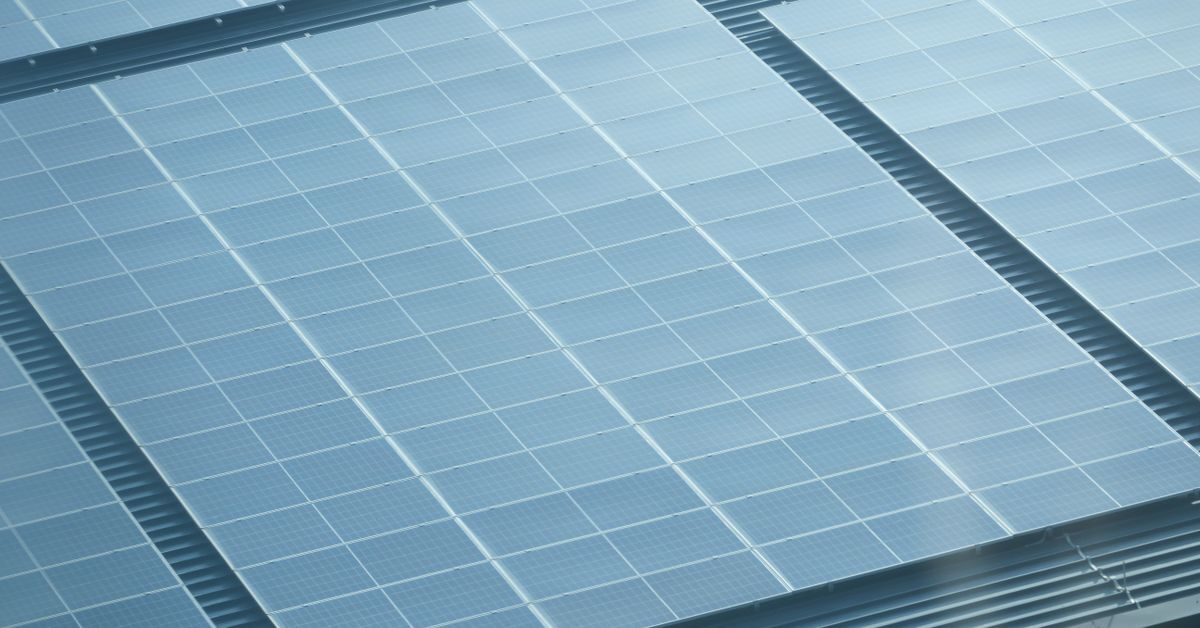
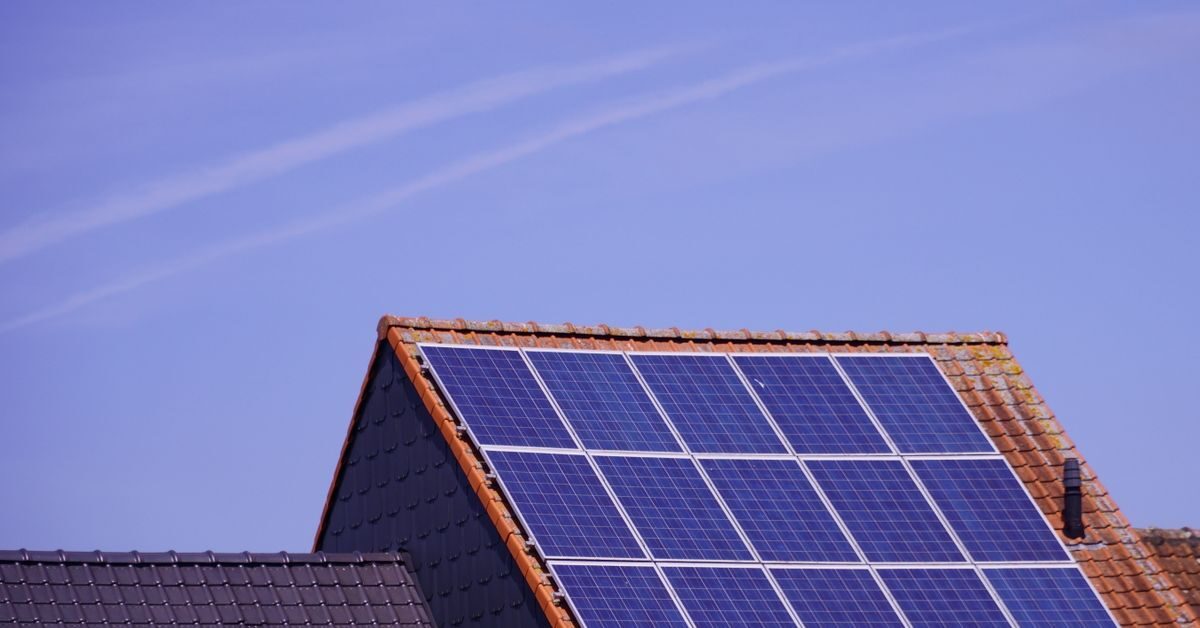
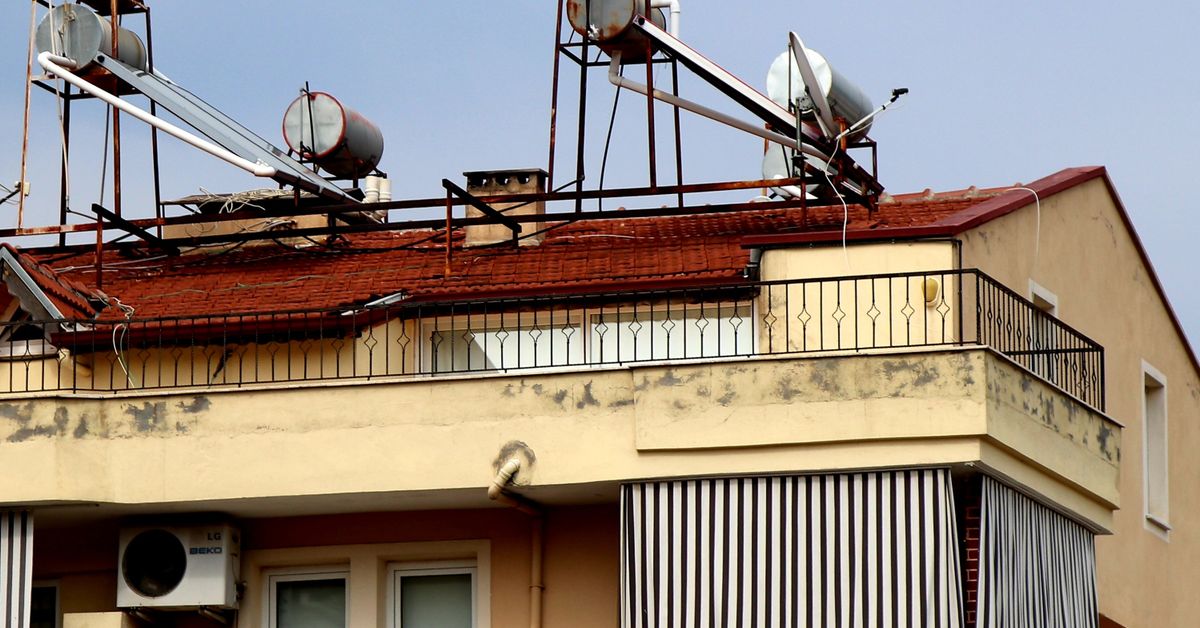
A solar water heater uses sunlight directly to heat water for bathing and household use, replacing an electric or gas geyser. Solar panels convert sunlight into electricity that can power any household appliance, including a geyser, but also lighting, fans, air conditioning, and every other electrical load in the home. This difference in scope is the central distinction: a solar water heater solves one specific problem, while solar panels address a household’s entire electricity consumption.
Cost and Payback Period Compared
Solar water heaters have a lower upfront cost and typically pay back their price through avoided electricity bills within 3 to 7 years, after which hot water is produced at near-zero running cost for the remaining 10 to 18+ years of the system’s life. A 4 kW on-grid solar panel system costs roughly ₹1.5-1.9 lakh after subsidy, with a longer payback period, but generates far larger total savings — up to ₹20 lakh or more across 25 years — because it offsets electricity use across the entire household rather than one appliance.
Government Subsidies: A Key Difference
Rooftop solar panels currently qualify for the central government’s PM Surya Ghar Muft Bijli Yojana, offering subsidies of up to ₹78,000 for eligible made-in-India installations. Solar water heaters, by contrast, do not currently have a dedicated central subsidy scheme in most states, which further tilts the cost-benefit calculation toward solar panels for households that can afford the higher upfront investment. For a full breakdown of subsidy eligibility, see our guide on the PM Surya Ghar Yojana.
Which Is Right for Your Home?
Solar water heaters make sense for households with limited roof space, a smaller budget, or a primary goal of cutting geyser electricity costs specifically. Solar panels are the better choice for households with adequate roof access looking to reduce their entire electricity bill, particularly where net metering allows excess power to be sold back to the grid. Apartment residents or those in low-sunlight regions may find a heat pump water heater a more practical middle ground than either option, since it works independently of direct sunlight availability.
Can You Install Both?
Yes, and many households do — a solar water heater handles hot water needs directly and efficiently, while solar panels cover the remaining household electricity load, including appliances a water heater alone cannot power. Installing a water heater first, given its faster payback, and adding solar panels later as budget allows is a common phased approach for homeowners who want to start with the lower-cost option.
Environmental Impact Beyond Cost Savings
Beyond the direct financial comparison, both systems reduce environmental impact by displacing grid electricity or gas-based water heating, but the scale differs. A solar water heater offsets one appliance’s energy use, while a full rooftop solar panel system offsets a much larger share of household energy consumption, including electricity typically drawn from India’s still partially coal-dependent grid. The Ministry of New and Renewable Energy tracks cumulative rooftop solar capacity added under national subsidy schemes, and households considering environmental impact alongside cost should weigh solar panels’ larger displacement effect against the water heater’s simpler, faster-payback footprint. Checking current subsidy availability directly on the MNRE portal before finalising either purchase ensures your cost comparison reflects the latest incentive structure rather than outdated figures, since subsidy amounts and eligibility criteria have changed more than once in recent years.
Frequently Asked Questions
Which saves more money: solar panels or a solar water heater?
Solar panels save significantly more over their lifetime — up to ₹20 lakh over 25 years for a 4kW system — but solar water heaters pay back their lower upfront cost faster.
Do solar water heaters qualify for government subsidies in India?
Most states do not currently offer a dedicated central subsidy for solar water heaters, unlike rooftop solar panels, which qualify under the PM Surya Ghar Yojana.
Can I install a solar water heater and solar panels together?
Yes. Many households install a solar water heater for hot water and solar panels for the rest of their electricity needs.
What’s a good alternative if I don’t have roof space for either?
A heat pump water heater is a practical alternative for apartments or low-sunlight regions, since it does not depend on direct sunlight.
Use our Solar Panel Savings Calculator to estimate your own savings, and read our guide on solar panel installation costs for a full budget breakdown.