Sustainable Urban Living: A Tech-Forward Guide to Eco-Renovation

Sustainable Urban Living

The Core of Sustainable Urban Living: Innovation Meets Responsibility

Modern city dwellers now prioritize environmental impact alongside high-end design. Consequently, Sustainable Urban Living has evolved from a niche lifestyle into a sophisticated framework for high-tech residency. This shift involves integrating automated resource management with zero-waste home improvement. Professionals are currently leading this movement by adopting circular economy principles within their primary living spaces. Specifically, the most critical aspect of this evolution is the “carbon-neutral footprint” achieved through intelligent eco-renovation.

Furthermore, smart sensors and sustainable materials now work in tandem to eliminate waste. This integration allows homeowners to monitor energy and water consumption in real-time. Therefore, achieving a zero-waste environment no longer requires personal sacrifice but rather strategic technological investment. Early adopters are utilizing digital twins to model their home’s efficiency before even starting a physical renovation. As a result, urban spaces are becoming more resilient, healthier, and significantly more cost-effective over their lifecycle.

Meanwhile, the aesthetic of these homes is shifting toward biophilic and minimalist themes. This design philosophy emphasizes longevity over disposable trends. Moreover, local governments are offering incentives for those who implement green building standards. Transitioning to an eco-friendly urban model is thus both a moral choice and a savvy financial move. By focusing on durability and technology, you can future-proof your urban sanctuary while protecting the planet.


1. Intelligent Energy Management for Modern Interiors

Smart Grid Integration

Modern energy management starts with connecting your home to the local smart grid. Specifically, this allows your appliances to run during off-peak hours when electricity is cheapest. Furthermore, you can sell excess solar energy back to the city if you have balcony panels. Consequently, your home becomes a micro-power plant rather than just a consumer.

Predictive Climate Control

Standard thermostats are becoming obsolete in the era of Sustainable Urban Living. Instead, AI-driven climate systems analyze weather forecasts to adjust your indoor temperature proactively. For example, the system might pre-cool your home before a heatwave hits. Therefore, you avoid energy spikes and maintain a constant, comfortable environment.

Automated Light Harvesting

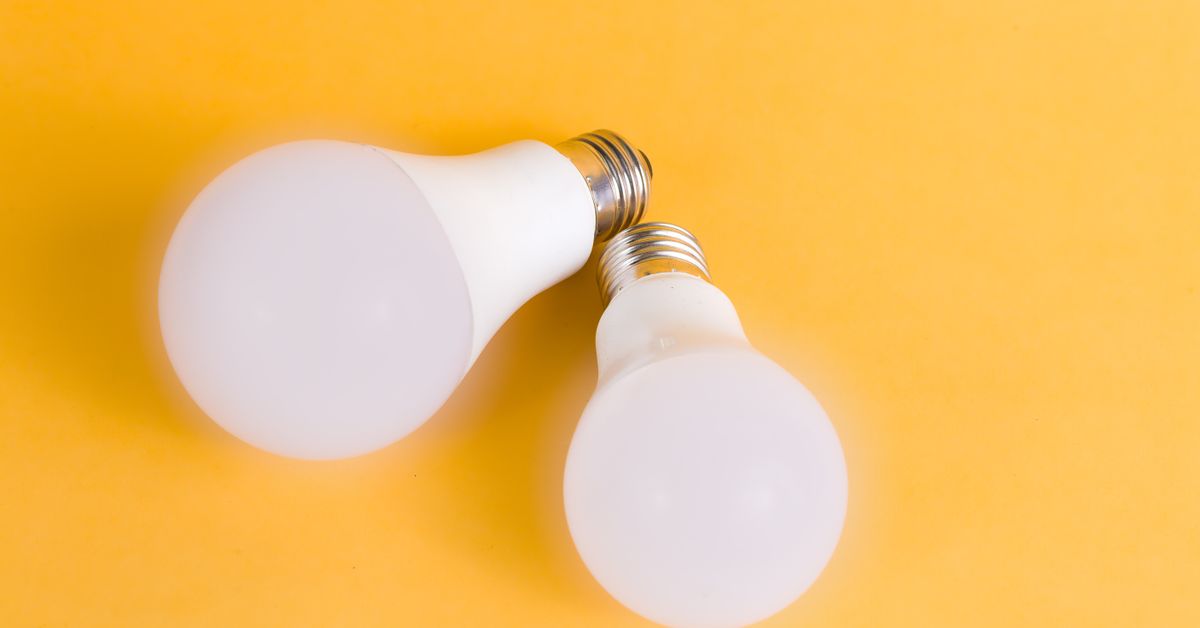
Lighting systems now use sensors to detect the amount of natural sunlight entering a room. Accordingly, the LED arrays dim or brighten to maintain a perfect lumen level. This process eliminates the need for manual adjustments throughout the day. Moreover, it significantly extends the lifespan of your high-efficiency bulbs.

Energy-Efficient Hardware Clusters

Server closets and home offices can consume vast amounts of electricity. However, installing liquid-cooled racks can reduce the energy needed for thermal management. In addition, using solid-state devices lowers the overall power draw of your tech stack. As a result, your professional equipment remains high-performance without bloating your carbon footprint.

  • Switch to Gallium Nitride (GaN) chargers for faster, more efficient power delivery.
  • Install smart power strips that cut current to peripheral devices automatically.
  • Use reflective window coatings to minimize the need for air conditioning.
  • Audit your home energy profile using infrared cameras to find heat leaks.

2. Circular Materials in Zero-Waste Home Improvement

Sourcing Reclaimed Architectural Elements

Renovating with a zero-waste mindset requires a shift toward reclaimed materials. Specifically, sourcing wood from old industrial sites prevents new trees from being cut down. Furthermore, these materials offer a unique aesthetic that mass-produced items cannot replicate. Therefore, you add character to your space while adhering to circular economy principles.

Biodegradable Insulation Solutions

Conventional insulation often contains harsh chemicals and non-recyclable fibers. Alternatively, hemp-based or mycelium insulation offers a fully biodegradable and non-toxic substitute. These materials provide excellent thermal resistance while allowing your home to “breathe.” Consequently, you improve indoor air quality and simplify future demolition or remodeling.

Recycled Composite Countertops

Kitchen surfaces can be both beautiful and environmentally responsible. For instance, countertops made from recycled glass or paper composites are incredibly durable. Moreover, these surfaces are non-porous and resistant to heat and stains. As a result, you achieve a high-end look without the ecological cost of quarrying natural stone.

Non-Toxic Surface Finishes

Traditional paints release harmful vapors known as VOCs for many months. In contrast, clay-based or lime-washed finishes offer a natural, safe alternative. Specifically, these finishes do not off-gas and actually help regulate indoor humidity. Therefore, choosing non-toxic coatings is essential for maintaining a healthy Sustainable Urban Living environment.

Comparison of High-Performance Eco-Materials

Material TypeSustainability FactorEstimated LifespanRecyclability
HempcreteCarbon Negative100+ YearsHigh
Recycled SteelLow Embodied Energy50+ YearsInfinite
Cork FlooringRenewable Bark25+ YearsBiodegradable
Paper CompositeDiverted Waste30+ YearsHigh

3. Water Conservation and High-Tech Recovery Systems

Digital Leak Prevention

Water waste often goes unnoticed until a major bill arrives. However, digital flow meters can detect even the smallest drip behind your walls. These systems send an immediate notification to your smartphone to prevent damage. Consequently, you save thousands of gallons of water and avoid costly structural repairs.

Closed-Loop Greywater Filtration

Urban apartments can now host miniature greywater recycling plants. Specifically, water from your shower is filtered and pumped into your toilet tank. This system reduces your freshwater demand by a significant margin. Therefore, you contribute to urban water security while lowering your monthly utility expenses.

Low-Flow Aerated Fixtures

Modern faucets use air-induction technology to provide a high-pressure feel with less water. For example, an aerated showerhead can reduce water flow by 50% without sacrificing comfort. Furthermore, touchless sensors ensure the water only runs when your hands are present. Moreover, these fixtures often feature sleek, minimalist designs that suit professional aesthetics.

Smart Irrigation for Balcony Gardens

Many urban professionals enjoy growing their own food on balconies. Nevertheless, manual watering can be inefficient and wasteful. Instead, use a soil-moisture sensor connected to a drip irrigation line. As a result, your plants receive exactly the amount of water they need at the optimal time.

  • Install a hot water recirculating pump to eliminate “wait time” at the tap.
  • Use a rain-harvesting barrel for any outdoor plant maintenance.
  • Upgrade to a high-efficiency dishwasher that uses less than three gallons per cycle.
  • Check toilet flappers annually to prevent silent leaks.

4. Biophilic Design and Wellness-Focused Living

Integrating Living Walls

A cornerstone of Sustainable Urban Living is the integration of nature into the built environment. Specifically, vertical gardens act as natural air scrubbers by absorbing pollutants. Furthermore, they provide a calming visual element that reduces stress for busy professionals. Therefore, a living wall is both a functional air purifier and a piece of organic art.

Circadian Lighting Arrays

Human health is closely tied to the cycle of natural light. Consequently, smart lighting systems now mimic the sun’s color temperature throughout the day. This technology helps regulate your sleep-wake cycle and boosts productivity during work hours. Moreover, it creates a more dynamic and inviting atmosphere within your home.

Acoustic Ecology with Natural Fibers

Cities are noisy environments that can disrupt mental focus. However, you can use natural wool or felt panels to dampen sound reflections. These materials are renewable and provide a soft, tactile contrast to hard urban surfaces. As a result, your home becomes a quiet sanctuary away from the hustle of the city.

Dynamic Ventilation Systems

Fresh air is vital for cognitive function and general well-being. Specifically, heat recovery ventilators (HRVs) swap stale indoor air for fresh outdoor air. This process happens without losing the thermal energy you have already paid for. Therefore, you maintain a healthy oxygen level while keeping your energy bills low.

  • Place high-oxygen plants like Mother-in-Law’s Tongue in sleeping areas.
  • Utilize natural cork underlayment to reduce impact noise between floors.
  • Select furniture made from FSC-certified timber to ensure responsible sourcing.
  • Avoid synthetic fragrances by using essential oil diffusers for better air quality.

5. Future-Proofing with Modular and Flexible Systems

Modular Wall Partitions

Urban life often requires flexibility as your career or family grows. Specifically, modular walls allow you to reconfigure your floor plan without a full renovation. These units are often made from recycled metals and eco-friendly plastics. Consequently, you avoid the mess and waste of traditional drywall and studs.

IoT Maintenance Sensors

The future of Sustainable Urban Living relies on predictive maintenance. Specifically, sensors can monitor the health of your HVAC, plumbing, and electrical systems. This data allows you to fix small issues before they become catastrophic failures. Therefore, your home remains in peak condition with minimal resource investment over time.

Multi-Functional Smart Furniture

In dense cities, square footage is a premium resource. However, smart furniture can transform a home office into a bedroom in seconds. These pieces are often built with high-quality, sustainable materials meant to last decades. Moreover, they reduce the total amount of furniture you need to buy and maintain.

Community Resource Sharing

Sustainable living is increasingly becoming a collaborative effort. For instance, many modern buildings offer shared tool libraries or electric vehicle charging stations. This approach reduces the need for every individual to own rarely-used items. As a result, the entire community lowers its collective carbon footprint and waste production.

  • Invest in “cradle-to-cradle” certified products that are fully recyclable.
  • Choose appliances with modular parts for easier long-term repair.
  • Look for properties with high Walk Scores to reduce car dependency.
  • Participate in local composting programs if on-site options are limited.

Conclusion: The Path to Urban Resilience

Adopting a lifestyle centered on Sustainable Urban Living is the most effective way to modernize your lifestyle. By combining tech-savvy solutions with zero-waste home improvement, you create a space that is both luxurious and responsible. Furthermore, the economic benefits of reduced energy and water consumption are undeniable over the long term.

Specifically, the strategies discussed in this guide provide a clear roadmap for early adopters. Consequently, you can begin your journey with small, smart upgrades before moving to major structural changes. Ultimately, the goal is to create a home that supports both your professional ambitions and the health of the planet. Therefore, embrace the future of urban design and start your eco-renovation today.

Sustainable Urban Living: FAQs

How does Sustainable Urban Living reduce my monthly expenses?

Sustainable living reduces expenses by optimizing energy and water usage. Through smart tech and efficient fixtures, you lower utility bills while increasing the long-term value of your property.

What is the most impactful zero-waste home improvement I can make?

The most impactful improvement is often upgrading to a high-efficiency HVAC system paired with smart thermostats. This combination addresses the largest source of energy waste in most urban homes.

Can I implement these eco-renovation tips in a rental apartment?

Yes, many tips are renter-friendly. Specifically, you can use smart plugs, LED lighting, and portable air purifiers to improve sustainability without making permanent structural changes.

Why is circular economy material sourcing important for my home?

Circular sourcing ensures that the materials in your home do not end up in a landfill. By choosing reclaimed or recyclable products, you minimize the environmental debt of your renovation.

How does biophilic design improve my work-from-home productivity?

Biophilic design uses natural elements to reduce stress and improve air quality. Better oxygen levels and a connection to nature help maintain focus and cognitive performance during long work sessions.