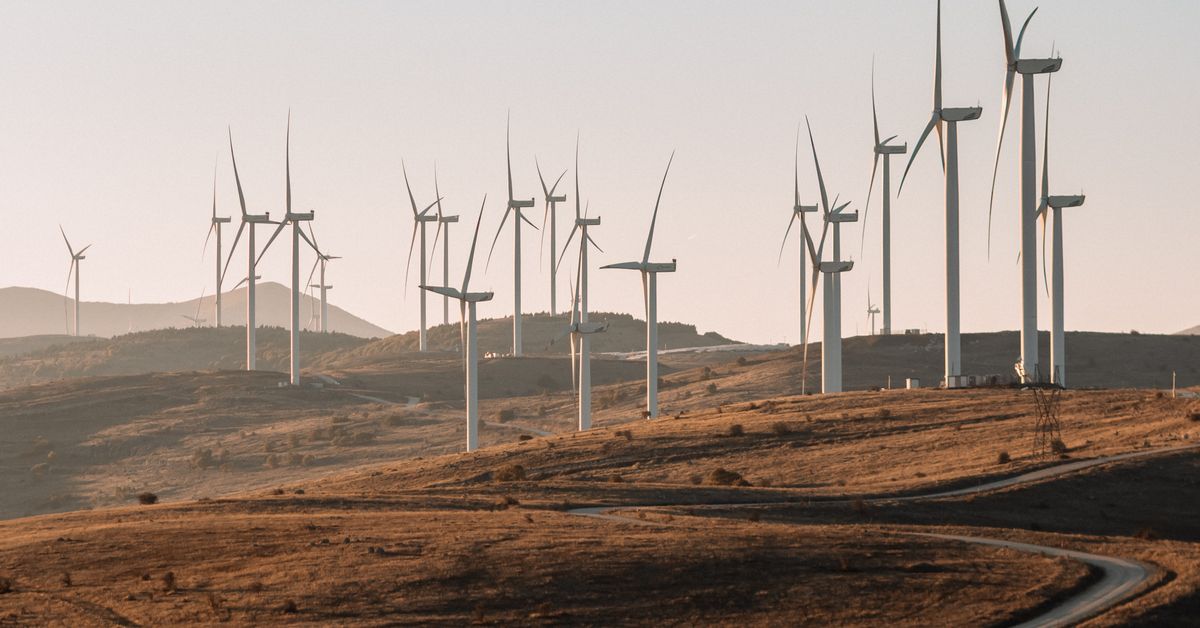
Wind energy is electricity generated by converting the kinetic energy of moving air into power, typically using turbines with large rotating blades connected to a generator. India’s installed wind power capacity reached 57,443 MW as of June 2026, ranking it among the top wind energy producers in the world.
How Wind Energy Is Generated
Wind turbines work by capturing moving air with large blades shaped like airplane wings. As wind flows over the blades, it creates lift, causing the rotor to spin. This rotor is connected to a shaft that drives a generator, converting mechanical rotation into electricity. Most modern turbines automatically adjust the angle of their blades, a process called pitch control, to capture wind efficiently across a range of speeds while protecting the equipment during storms.
Types of Wind Energy Systems
Onshore wind farms, built on land, remain the most common and cost-effective form of wind energy in India, concentrated heavily in states like Gujarat, Tamil Nadu, and Karnataka. Offshore wind farms, built in the sea, capture stronger and more consistent winds but cost significantly more to install and maintain. Small-scale or distributed wind turbines are also used by some individual farms and industrial facilities, though they remain far less common in India than utility-scale wind farms.
Advantages of Wind Energy
- Produces zero direct carbon emissions once installed, unlike coal or gas power plants.
- Has one of the lowest costs per unit of electricity among all power sources in India.
- Requires relatively little land footprint per turbine, since farming can continue around the base.
- Complements solar power well, since wind often blows stronger at night and during monsoon months when solar output drops.
Challenges and Limitations
Wind energy generation depends heavily on geography and is only viable in regions with consistently strong, steady wind speeds, which limits where farms can be built. Additionally, turbines can affect local bird and bat populations, and their noise and visual impact sometimes draws opposition from nearby communities. Furthermore, like solar, wind power is intermittent, meaning it needs to be paired with grid storage or backup power sources to ensure a stable electricity supply around the clock.
Wind Energy vs Solar Power
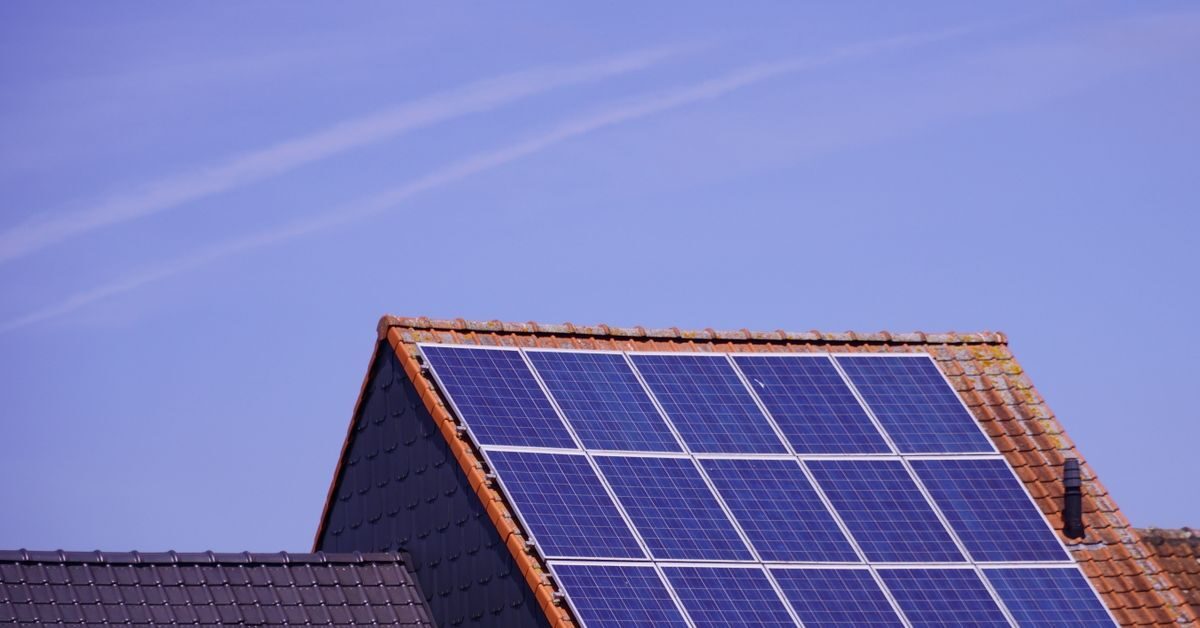
Wind energy tends to generate more consistently during nighttime and monsoon periods, while solar output peaks during clear daylight hours, making the two sources naturally complementary within India’s renewable energy mix. However, wind farms require significantly more land and specific geographic conditions than rooftop solar, which can be installed on nearly any home. For a deeper look at how solar power works and whether it suits your home, see our guide on what solar power is and how it works. You can also explore more Green Tech & Innovation articles, or check your own household’s impact using the Carbon Footprint Calculator.
Environmental and Land-Use Considerations
While wind energy produces no direct emissions during operation, wind farm development still involves environmental trade-offs worth understanding. Turbine construction requires access roads and foundations that can disturb local vegetation, and the spinning blades pose a documented, though relatively small, risk to birds and bats in certain migratory corridors. Consequently, developers increasingly conduct environmental impact assessments and choose turbine locations to minimize interference with known flight paths and sensitive habitats before construction begins. Additionally, community concerns around turbine noise and visual impact on landscapes have led some states to establish minimum distance requirements between turbines and residential areas, balancing energy development with local quality of life.
How India’s Wind Sector Compares Globally
India ranks fourth globally in total installed wind power capacity as of the most recent Global Wind Energy Council report, trailing only China, the United States, and Germany in cumulative installations. This ranking reflects India’s sustained investment in wind infrastructure over the past two decades, supported by a combination of central government policy, state-level renewable purchase obligations, and falling turbine costs that have made wind increasingly cost-competitive with conventional power sources. Furthermore, India’s coastal geography, particularly along Gujarat and Tamil Nadu, offers some of the most favorable wind conditions globally, positioning the country to continue expanding its wind capacity as part of its broader renewable energy targets through 2030.
Frequently Asked Questions
What is wind energy in simple terms?
Wind energy is electricity generated by capturing the kinetic energy of moving air with turbines, which convert that rotational motion into electric power through a generator.
How much wind power does India generate?
India’s installed wind power capacity reached 57,443 MW as of June 2026, with the sector adding over 6,000 MW of new capacity during FY 2025-26 alone.
Which Indian states have the most wind energy capacity?
Gujarat leads with the highest installed wind capacity, followed by Tamil Nadu and Karnataka, all of which benefit from strong, consistent coastal and plateau wind patterns.
Is wind energy cheaper than solar power?
Both have become highly cost-competitive in India, with per-unit costs depending heavily on the specific project location, though wind often has an edge in areas with strong, steady wind resources.
Does wind energy work at night?
Yes, unlike solar power, wind turbines can generate electricity at any time of day or night as long as wind speeds remain within their operating range.
Sources and further reading: Ministry of New and Renewable Energy | International Energy Agency

One thought on “What Is Wind Energy? Types, Benefits and How It Works”
Comments are closed.