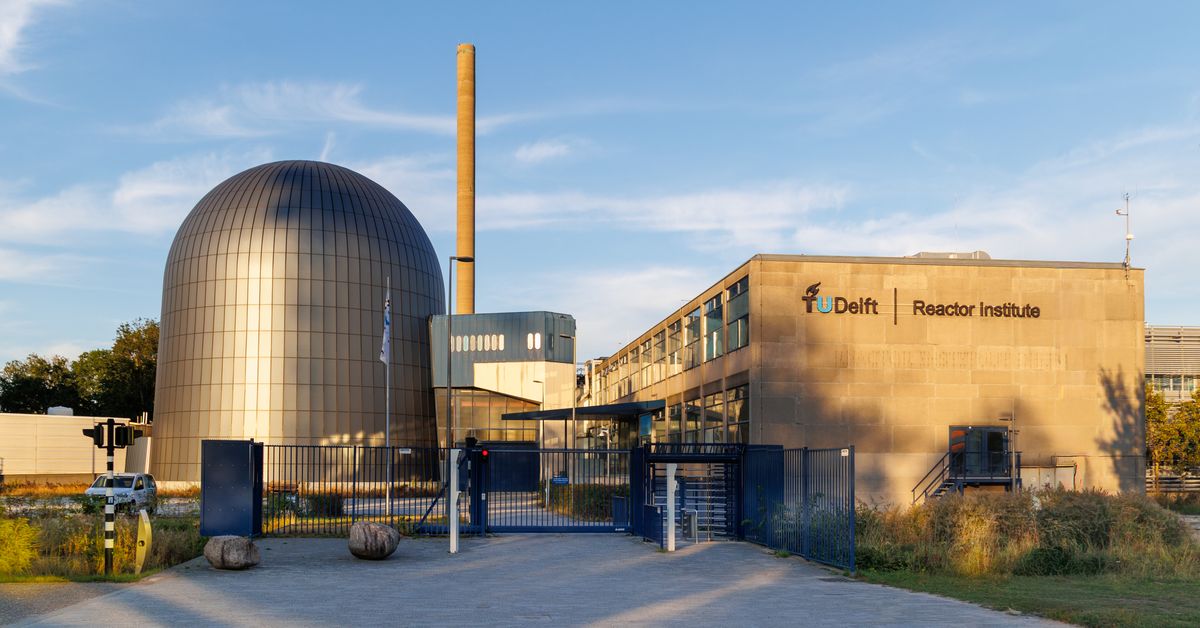
Green hydrogen is hydrogen fuel produced by splitting water into hydrogen and oxygen using electricity generated entirely from renewable sources like solar or wind. Unlike conventional hydrogen made from natural gas, green hydrogen produces no carbon emissions during production, and India aims to produce at least 5 million metric tonnes of it annually by 2030.
How Green Hydrogen Is Made
Green hydrogen is produced through a process called electrolysis, in which an electrolyzer uses electricity to split water molecules into hydrogen and oxygen gas. When that electricity comes from renewable sources such as solar or wind, the entire production process generates no direct carbon emissions. This distinguishes it from “grey hydrogen,” which is produced from natural gas and accounts for the vast majority of hydrogen made today, and “blue hydrogen,” which uses natural gas but captures some of the resulting carbon emissions.
Why Green Hydrogen Matters
Green hydrogen can serve as a clean fuel or feedstock for industries that are difficult to electrify directly, including steel manufacturing, fertilizer production, heavy trucking, and shipping. Consequently, it is often described as key to decarbonizing sectors where batteries and direct electrification are not yet practical. Furthermore, India’s National Green Hydrogen Mission, backed by an outlay of Rs 19,744 crore through FY2029-30, aims to reduce the country’s fossil fuel import bill while positioning India as a global green hydrogen export hub.
India’s Progress So Far
As of February 2026, India had commissioned around 8,000 tonnes per annum of green hydrogen production capacity, a small fraction of the 5 million tonne target set for 2030. However, additional capacity has been awarded to major refineries including IOC, BPCL, HPCL, and Numaligarh Refinery Ltd, with total awarded capacity under the SIGHT incentive scheme reaching 8.62 lakh tonnes per annum against the 2030 target. Therefore, while the mission remains far from its ultimate goal, the pipeline of awarded projects suggests meaningful capacity growth is still ahead.
Challenges Facing Green Hydrogen Adoption
Green hydrogen remains significantly more expensive to produce than grey hydrogen, mainly because electrolyzer technology and renewable electricity costs have not yet reached the scale needed to close the price gap. Additionally, hydrogen is difficult and costly to store and transport safely compared to conventional fuels, requiring specialized infrastructure that does not yet exist at scale in India. As a result, most analysts expect green hydrogen to first gain traction in industrial applications with existing infrastructure, such as refineries and fertilizer plants, before expanding to transportation and export markets.
How Green Hydrogen Fits the Bigger Picture
Green hydrogen depends entirely on the renewable electricity used to produce it, so its growth is directly tied to India’s expanding solar and wind capacity. To understand the renewable power feeding into projects like this, read our explainers on how solar power works and what wind energy is. For more on how green hydrogen fits within the broader green technology landscape, see our guide on what green technology means, or browse the Green Tech & Innovation category.
Green Hydrogen’s Export Potential
Beyond domestic industrial use, India’s National Green Hydrogen Mission also positions the country as a potential global exporter of green hydrogen and its derivatives, such as green ammonia, to energy-importing nations in Europe and East Asia seeking to decarbonize their own industries. India’s abundant land availability and strong solar and wind resources give it a potential cost advantage in producing green hydrogen compared to countries with more limited renewable capacity relative to their industrial demand. Consequently, several large-scale green hydrogen export projects have been announced in coastal states like Gujarat and Tamil Nadu, aiming to combine renewable generation, electrolysis, and port infrastructure for direct export shipping.
How Green Hydrogen Compares to Battery Storage
Green hydrogen and battery storage both address the challenge of storing renewable energy, but they serve different purposes within the energy system. Batteries excel at storing electricity for short-duration use, typically hours to a day, with high efficiency and fast response times, making them ideal for daily grid balancing and EV applications. Green hydrogen, by contrast, is better suited to long-duration storage and industrial applications where energy needs to be stored for weeks or months, or where the end use requires a chemical fuel rather than direct electricity, such as steel production or heavy shipping. Therefore, most energy experts view green hydrogen and batteries as complementary technologies rather than competing solutions, each serving different segments of India’s broader decarbonization strategy.
Frequently Asked Questions
What is green hydrogen in simple terms?
Green hydrogen is hydrogen fuel produced by splitting water using electricity from renewable sources like solar or wind, resulting in no direct carbon emissions during production.
How is green hydrogen different from regular hydrogen?
Most hydrogen today, called grey hydrogen, is produced from natural gas and releases significant carbon emissions, while green hydrogen uses only renewable electricity.
What is India’s target for green hydrogen production?
India’s National Green Hydrogen Mission targets at least 5 million metric tonnes of production annually by 2030, backed by 125 GW of renewable energy capacity.
What is green hydrogen used for?
It is primarily used as a clean fuel or feedstock for hard-to-electrify industries like steel manufacturing, fertilizer production, heavy trucking, and shipping.
Why isn’t green hydrogen widely used yet?
It remains significantly more expensive to produce than conventional hydrogen and requires specialized storage and transport infrastructure still being built at scale.
Sources and further reading: Ministry of New and Renewable Energy | International Energy Agency

One thought on “What Is Green Hydrogen? A Simple Explanation”
Comments are closed.