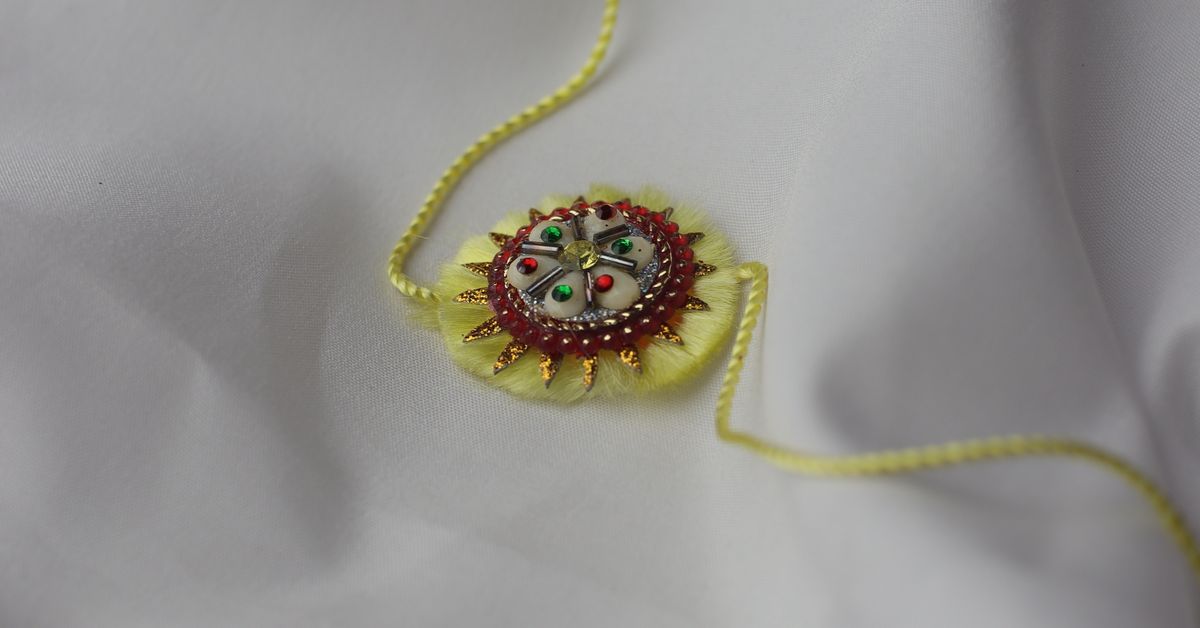
An eco-friendly rakhi is made from biodegradable, natural materials like seeds, cotton thread, jute, or wood, instead of synthetic beads and plastic embellishments. With Raksha Bandhan 2026 falling on Friday, August 28, plantable seed rakhis and handmade alternatives are an easy way to keep the tradition while cutting down on the plastic waste that follows most festivals.
Why Choose an Eco-Friendly Rakhi
Most mass-produced rakhis use synthetic threads, plastic beads, and glued-on decorative elements that are neither biodegradable nor recyclable, so they end up in landfill within days of the festival ending. Choosing a rakhi made from natural materials avoids this entirely, since cotton, jute, and wood break down naturally rather than persisting as waste. Additionally, many eco-friendly rakhis are handmade by rural artisans or women’s self-help groups, so buying one supports local livelihoods directly rather than funding mass manufacturing.
Plantable Seed Rakhis: Tie It, Then Plant It
Plantable seed rakhis embed actual seeds, commonly sunflower, marigold, or basil, into the band itself. After Raksha Bandhan, instead of throwing the rakhi away, you place it in a pot with soil and water, and the seeds germinate into a plant over the following weeks. This turns a one-day festival accessory into something with a lasting outcome, and it works particularly well as a gift for children, who can watch their rakhi literally grow into a plant.
Other Sustainable Rakhi Materials to Look For
- Cotton and jute thread: Biodegradable and often handwoven, avoiding the synthetic nylon threads common in mass-produced rakhis.
- Wooden beads and charms: Sturdy, long-lasting, and fully biodegradable compared to plastic or acrylic beads.
- Recycled fabric and upcycled textiles: Rakhis made from leftover fabric scraps reduce textile waste while still looking festive.
- Terracotta charms: A natural, non-plastic alternative to the glittery plastic ornaments found on many commercial rakhis.
DIY Eco-Friendly Rakhi Ideas You Can Make at Home
Making your own rakhi is one of the simplest ways to guarantee it is genuinely sustainable. Old cloth scraps can be cut into strips and braided or stitched into a simple band, then decorated with beads made from dried seeds or small wooden pieces. For a slightly more involved project, small wooden discs can be lightly carved or painted with natural dyes and attached to a cotton thread base. These homemade versions cost little beyond materials you likely already have, and they carry more personal meaning than a store-bought option.
Where to Buy Genuinely Sustainable Rakhis
Several Indian marketplaces now specialize in handmade, sustainable rakhis rather than mass-produced options, often working directly with rural artisans and women’s collectives. When shopping online, look specifically for product descriptions that name the actual material (cotton, jute, seed-embedded paper) rather than vague terms like “eco-friendly” without detail, since the same greenwashing risk that applies to cleaning products applies to festival goods too.
If you are planning ahead for the rest of the festival season, see our guide to eco-friendly Ganesh idols for Ganesh Chaturthi in September, or our guide to a sustainable Diwali in November. For general everyday swaps, browse our guide to eco-friendly products, or see the Green Living Guide category for more.
How to Make a Plantable Seed Rakhi at Home
Making a plantable rakhi at home is simpler than it sounds and makes the gesture more personal. Start with a strip of cotton or jute fabric as the base thread, then create a small pouch or fold using biodegradable paper embedded with seeds such as tulsi, marigold, or vegetable seeds, available from several Indian eco-stores online. Attach the seed paper to the thread using a dab of natural glue or a simple stitch, avoiding plastic adhesives or synthetic beads that would defeat the purpose. Once Raksha Bandhan celebrations are over, the seed paper section can be planted directly in a pot or garden bed, where it will biodegrade and allow the seeds to sprout within one to two weeks under normal watering. Additionally, many brands now sell ready-made plantable rakhi kits if making one from scratch feels time-consuming, offering the same environmental benefit with less effort.
Where to Find Eco-Friendly Rakhis in India
Several Indian sellers on platforms like Amazon, Etsy India, and dedicated eco-commerce sites now specialize in plantable, handmade, and organic rakhis, often crafted by self-help groups and small artisans. When shopping online, look specifically for listings that mention seed paper, organic cotton, jute, or wood, and avoid rakhis described only as “eco-friendly” without specifying the actual material used, since this term is not regulated and can be applied loosely. Local artisan markets and Diwali-season craft fairs in most Indian cities also frequently carry handmade rakhi options, often at a similar price point to mass-produced alternatives once you account for the added sentimental value of a handcrafted gift.
Frequently Asked Questions
When is Raksha Bandhan in 2026?
Raksha Bandhan 2026 falls on Friday, August 28, celebrated on the full moon day of the Shraavana month according to the Hindu lunar calendar.
What is a plantable seed rakhi?
A plantable seed rakhi has actual seeds, such as sunflower or basil, embedded in the band. After the festival, you plant the rakhi in soil instead of discarding it, and the seeds grow into a plant over the following weeks.
Are eco-friendly rakhis more expensive than regular ones?
Handmade or plantable rakhis can cost somewhat more than mass-produced plastic versions due to the materials and labor involved, though prices are generally comparable to mid-range commercial rakhis.
Can I make an eco-friendly rakhi at home?
Yes. Simple DIY options include braided cloth scraps, cotton thread with wooden bead charms, or paper and seed-based designs, all of which use materials that are widely available and inexpensive.
What materials should I avoid when buying a rakhi?
Avoid rakhis with synthetic plastic beads, glued-on glitter or sequins, and nylon thread, since none of these break down naturally and typically end up as landfill waste shortly after the festival.
Sources and further reading: Central Pollution Control Board | Ministry of Environment, Forest and Climate Change