An eco-friendly Diwali replaces firecrackers with low-emission alternatives, plastic decorations with clay and biodegradable materials, and disposable gifting with reusable, sustainable options. With Diwali 2026 falling on November 8, small changes to how you celebrate can meaningfully reduce the air pollution spike that traditionally follows the festival.
Why Diwali Needs a Sustainable Rethink
Diwali falls during a period when air quality is already declining across much of north India, as cooler temperatures trap pollutants closer to the ground and agricultural stubble burning adds fine particulate matter to the air. Intense firecracker use on top of this can push pollution monitoring readings into hazardous territory for days afterward. Consequently, even modest changes to how a household celebrates, like reducing firecracker use or switching to clay diyas, contribute to a measurably cleaner few weeks for everyone nearby, not just symbolic goodwill.
Cracker Alternatives That Still Feel Festive
Giving up firecrackers entirely is not necessary to have a lower-impact Diwali. Laser and light shows, either community-organized or home-based projector displays, replicate much of the visual excitement without any emissions. Sparkler-only celebrations produce a fraction of the smoke and noise of traditional firecrackers while still giving children something hands-on and festive. Community lighting events, where neighborhoods coordinate lamp and light displays instead of individual firecracker use, also concentrate the celebration into a shared, lower-pollution event rather than scattered emissions across every household.
Eco-Friendly Decoration Ideas
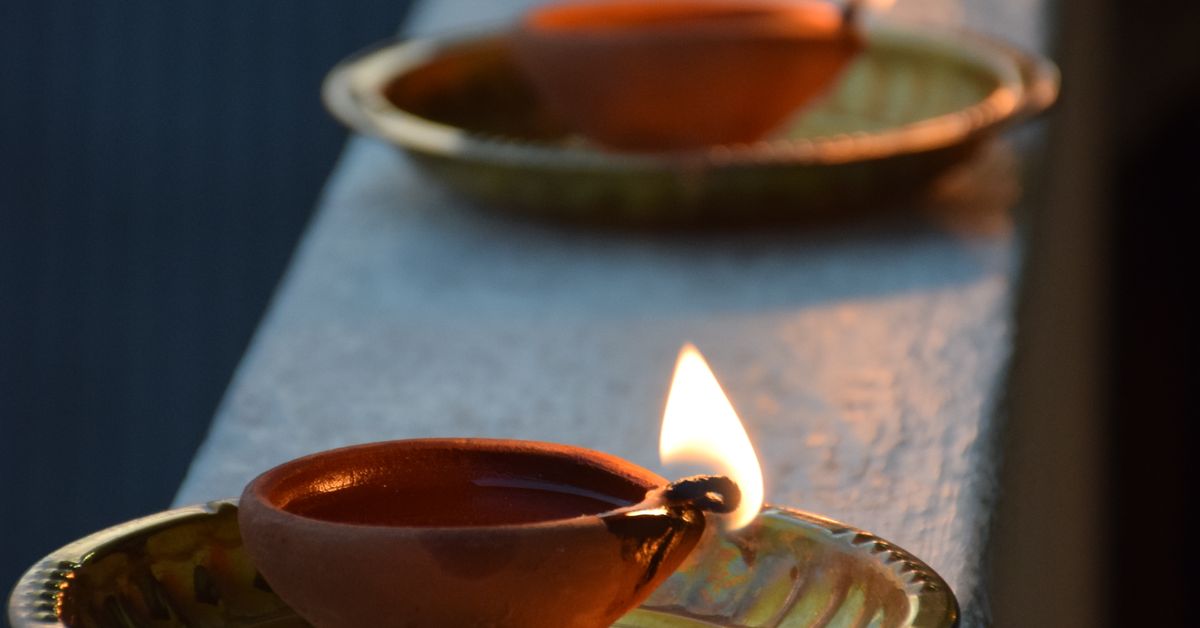
- Use clay or terracotta diyas instead of plastic string lights, which supports local artisans and avoids electronic waste at the end of the season.
- Choose bamboo or jute lanterns over plastic decorative lighting fixtures.
- Make rangoli with flower petals or rice flour instead of synthetic colour powders, which wash away without contaminating soil or water.
- Decorate with fresh flowers and potted plants rather than single-use plastic garlands or balloons.
- Reuse decorations from previous years rather than buying new ones each season, particularly reusable lanterns and string lights.
Sustainable Diwali Gifts
Reusable cloth bags, stainless steel water bottles, and bamboo cutlery sets make practical gifts that continue reducing waste well beyond the festival itself. Additionally, gifting locally made sweets in reusable steel tins instead of elaborate single-use packaging cuts down on the mountain of gift wrap and plastic that typically follows Diwali gift exchanges. If you are choosing between competing gift options, favoring items that replace a disposable product a recipient already uses regularly tends to have the most lasting impact.
Sustainable Dining and Hosting Tips
Serve festive meals in ceramic, glass, or steel utensils instead of disposable plastic plates and cups, and use cloth napkins and reusable tablecloths for gatherings. Fresh flowers and potted plants work well as table centerpieces and can be replanted or composted afterward, unlike synthetic decorative pieces that end up in landfill. For guests staying over the festival period, consider swapping single-use toiletries and packaging for refillable dispensers, which is a small touch that reduces waste without any impact on the hospitality itself.
Diwali is one of two major Indian festivals worth planning sustainably around this year; if Ganesh Chaturthi is also on your calendar, see our guide to eco-friendly Ganesh idols for similar seasonal swaps. For year-round sustainable products beyond festival season, browse our guide to eco-friendly products, or see the Green Living Guide category for more practical guides.
Air Quality Data to Check Before Diwali
Air quality typically deteriorates sharply around Diwali due to firecracker emissions combined with seasonal factors like crop residue burning and lower wind speeds. The Central Pollution Control Board (CPCB) publishes real-time Air Quality Index data across major cities, which residents can check before deciding on celebration plans, particularly for children, elderly family members, and those with respiratory conditions. Many cities also publish pre-Diwali advisories recommending green crackers over conventional ones, though even green crackers contribute measurably to particulate matter levels compared to a firecracker-free celebration.
Frequently Asked Questions
When is Diwali in 2026?
Diwali 2026 falls on Sunday, November 8, with celebrations typically beginning on Dhanteras (Friday, November 6) and continuing through Choti Diwali on Saturday, November 7.
What are good alternatives to firecrackers for Diwali?
Laser and light shows, sparkler-only celebrations, and community lighting events all provide festive visual impact with a fraction of the noise and air pollution of traditional firecrackers.
Are clay diyas actually more eco-friendly than string lights?
Yes, generally. Clay diyas are biodegradable, support local artisans, and avoid the electronic waste and plastic packaging associated with disposable string lights, though reusing string lights across multiple years also reduces their footprint.
What makes a Diwali gift eco-friendly?
Gifts that replace a disposable product someone already uses regularly, like reusable water bottles, cloth bags, or bamboo cutlery, tend to have the most lasting environmental impact compared to one-time novelty items.
Does reducing firecracker use actually improve air quality?
Yes. Since Diwali falls during a period when regional air quality is already under pressure from cooler temperatures and stubble burning, reducing firecracker emissions on top of that measurably lowers the pollution spike that typically follows the festival.