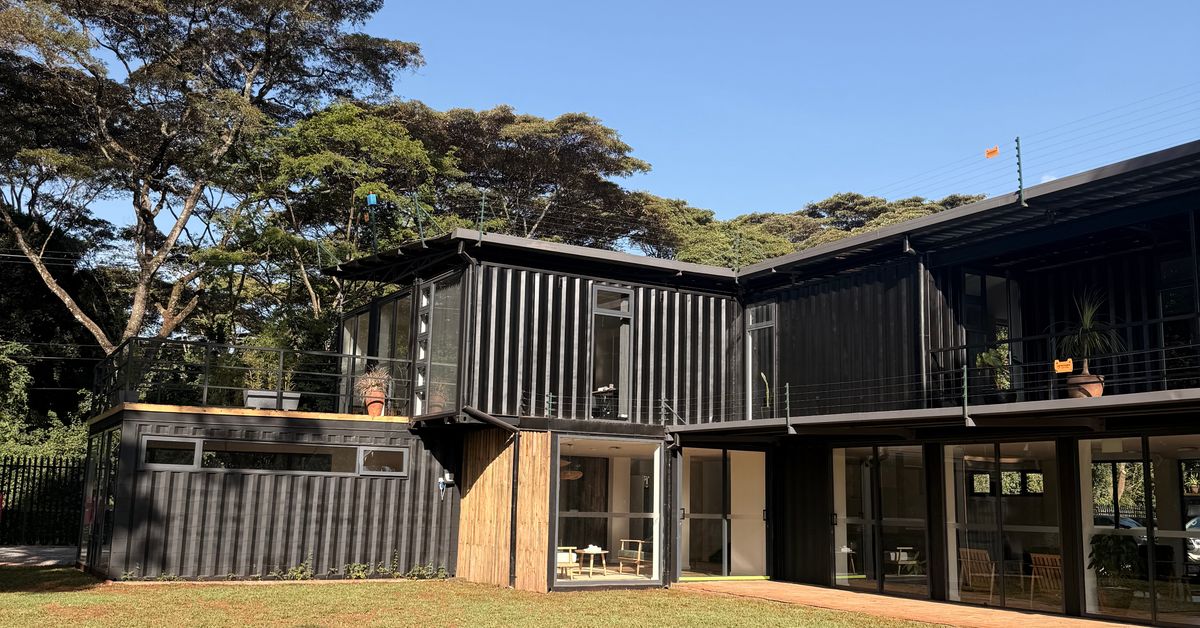
A green home is a house designed and built to use less energy and water than a conventional home, through features like solar panels, high-efficiency insulation, water-saving fixtures, and non-toxic building materials. Beyond lower utility bills, green homes typically offer better indoor air quality and a smaller carbon footprint over their lifetime.
What Makes a Home a “Green Home”
The term covers any home built or renovated with resource efficiency as a core design goal, rather than an afterthought. Consequently, a green home is not defined by a single feature like solar panels alone; it is the combination of energy performance, water efficiency, material choices, and indoor air quality that earns the label. In India specifically, this usually means orientation and insulation that reduce cooling load, rainwater harvesting, and appliances rated for low energy consumption.
Core Features of a Green Home
- Solar panels or other renewable energy systems that reduce dependence on grid electricity.
- High-efficiency insulation and windows that cut heating and cooling costs significantly.
- Rainwater harvesting and greywater recycling systems that reduce dependence on municipal or groundwater supply.
- Low-flow taps, dual-flush toilets, and water-efficient fixtures throughout the home.
- Energy Star or BEE-rated appliances that use less electricity for the same output.
- Non-toxic, low-VOC paints and building materials that improve indoor air quality.
- Smart thermostats and lighting systems that reduce waste through automation.
Green Home Certifications in India: IGBC and GRIHA
If you are building or buying, two certification systems matter most in India. The Indian Green Building Council (IGBC), established by the Confederation of Indian Industry in 2001, runs the country’s most widely adopted certification program and has registered over 19,000 projects covering more than 15.74 billion square feet nationwide. IGBC-certified projects have delivered annual savings of 66.4 billion units of energy and 199.3 billion liters of water collectively.
GRIHA (Green Rating for Integrated Habitat Assessment), developed by TERI in partnership with the Ministry of New and Renewable Energy, is the government-endorsed national rating system and is especially common for institutional and larger residential projects. GRIHA-compliant buildings have shown 30 to 50 percent reductions in energy consumption and 40 to 65 percent reductions in water consumption compared to conventional benchmarks. Therefore, checking for either certification is a reliable way to verify a builder’s green claims rather than relying on marketing language alone.
Benefits of Living in a Green Home
The financial case is straightforward: lower electricity and water bills, plus a resale value premium as buyers increasingly prioritize efficiency. However, the benefits extend beyond money. Better insulation and non-toxic materials directly improve indoor air quality, which can reduce allergy and respiratory issues for occupants. Additionally, green homes generate less construction and operational waste, which lowers their overall environmental impact across their lifetime compared to conventional construction.
How to Make Your Existing Home Greener Without Rebuilding
You do not need a full renovation to capture most of the benefits. Start by replacing incandescent bulbs with LED lighting, sealing gaps around doors and windows to cut cooling costs, and switching to low-flow fixtures in bathrooms and kitchens. From there, rooftop solar is usually the highest-impact single upgrade for Indian homeowners; you can estimate your potential savings with GreenNewsDesk’s Solar Panel Savings Calculator before committing to installation costs.
Once the basics are in place, a full room-by-room assessment helps prioritize what to fix next. The Home Energy Audit Checklist Tool scores your home across lighting, appliances, insulation, and water heating in a few minutes and highlights your weakest category first. Water efficiency is worth tackling in parallel; see GreenNewsDesk’s guide to 20 water conservation methods for specific, low-cost changes you can make this month. For more practical guides like this one, browse the Green Living Guide category.
Frequently Asked Questions
What is the difference between a green home and an energy-efficient home?
An energy-efficient home focuses specifically on reducing electricity and fuel use, while a green home is broader and also considers water efficiency, material sustainability, and indoor air quality. Energy efficiency is one component of a green home, not the whole definition.
Is it expensive to build a green home in India?
Green construction can cost 5 to 10 percent more upfront than conventional construction, primarily due to materials and certified systems. However, the reduced utility bills and higher resale value typically offset this premium within several years of ownership.
What is the easiest way to start greening my current home?
Switching to LED lighting, sealing air leaks, and installing low-flow water fixtures are the lowest-cost, highest-impact changes you can make without any structural renovation.
Are IGBC and GRIHA certifications only for new construction?
No. Both IGBC and GRIHA offer rating systems for existing buildings and renovations, not just new construction, so homeowners upgrading an older property can still pursue certification.
How much can solar panels reduce my home’s electricity bill?
Savings depend on your location, roof size, and electricity tariffs, but many Indian homeowners offset 70 to 90 percent of their electricity bill with a correctly sized rooftop solar system. Use the Solar Panel Savings Calculator to estimate your specific numbers.
Sources and further reading: Ministry of Environment, Forest and Climate Change | United Nations Sustainable Development Goals

4 thoughts on “What Is a Green Home? Features, Benefits, and How to Build One”
Comments are closed.