Water conservation methods are simple practices — from fixing leaks to harvesting rainwater — that cut household water waste at home, in the garden, and in daily routines. Adopting even five or six of these habits can reduce a family’s water consumption by 20 to 40 percent within a few months, according to conservation research.
Why Water Conservation Matters in India Right Now
India holds 4 percent of the world’s freshwater but supports 18 percent of its population, and the pressure is showing. The Central Water Commission reported that storage across the country’s 166 major reservoirs had fallen to 34.45 percent of total capacity by mid-May 2026, down from 38.72 percent just two weeks earlier. Consequently, 11 of India’s 15 major river basins now face high or long-term water stress, and per capita water availability has already dropped below 1,486 cubic meters — a figure the Ministry of Jal Shakti classifies as water-stressed territory.
Groundwater tells a similar story. India draws about 25 percent of the world’s groundwater, and 14 to 17 percent of its assessment units are officially over-exploited, particularly across Punjab, Haryana, and Rajasthan. Therefore, household-level water conservation is not a symbolic gesture; it is one of the few actions individuals can take that directly reduces demand on an already strained system.
Indoor Water-Saving Habits That Add Up
Most household water waste happens indoors, often unnoticed. The following changes require little effort but produce measurable savings over a month:
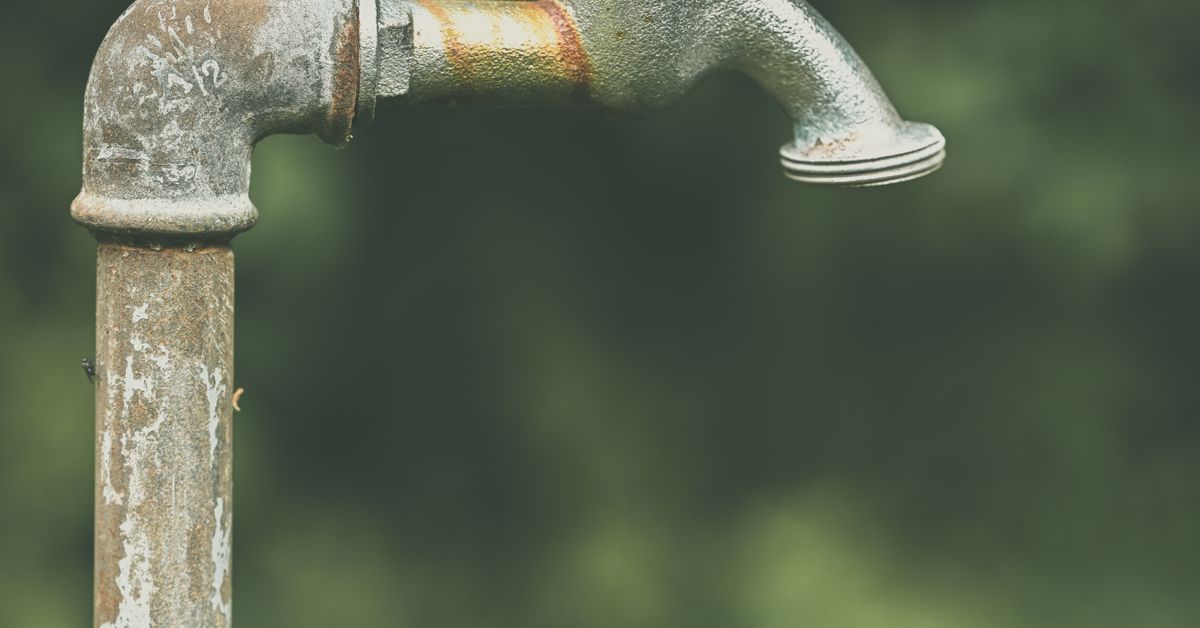
- Fix dripping taps and running toilet flush valves first — a single leaking tap can waste over 15 liters a day.
- Install low-flow showerheads and faucet aerators, which cut water use by roughly 20 percent without reducing pressure.
- Run washing machines and dishwashers only with full loads instead of partial ones.
- Keep a bottle of drinking water in the refrigerator instead of running the tap until it cools, saving several liters a day.
- Turn off the tap while brushing your teeth or shaving; leaving it running wastes up to 6 liters a minute.
- Reuse RO (reverse osmosis) reject water for mopping floors, watering plants, or flushing instead of draining it.
- Take shorter showers — cutting shower time by two minutes can save close to 150 liters a month per person.
Outdoor and Garden Water Conservation Tips
Outdoor use often gets overlooked, but gardens and terraces can consume as much water as the kitchen and bathroom combined during dry months.
- Water plants early in the morning or late in the evening to reduce evaporation loss, which can save up to 65 percent compared to midday watering.
- Switch to drip irrigation or soaker hoses so water reaches roots directly instead of running off the surface.
- Mulch garden beds to retain soil moisture and reduce how often you need to water.
- Install a rain barrel or simple rooftop rainwater harvesting setup to capture monsoon runoff for later use.
- Wash vehicles with a bucket and sponge instead of a running hose — this alone can save over 100 liters per wash.
- Choose native or drought-tolerant plants for landscaping, since they need far less supplemental watering.
Government Water Conservation Programs Worth Knowing About
Individual habits matter, but they work alongside larger national efforts. The Jal Jeevan Mission aims to provide tap water to every rural household, while AMRUT 2.0 focuses on making urban water supply more reliable. The Jal Shakti Abhiyan: Catch the Rain campaign specifically pushes rainwater harvesting and the revival of local water bodies across both rural and urban districts, and the Mission Amrit Sarovar has worked to rejuvenate 75 water bodies in every district of the country. Understanding these programs helps homeowners see where personal conservation fits into a wider system, and where local government-supported infrastructure, like community rainwater harvesting pits, may already be available in their area.
How Much Water and Money Can You Actually Save?
Combining just three or four of the methods above — fixing leaks, shortening showers, running full loads, and harvesting rainwater — can lower a household’s water bill by 20 to 30 percent within a single billing cycle. For a family of four, that often works out to thousands of liters saved every month and a proportional drop in the associated electricity used for pumping and heating water. If you want to see how your home’s overall resource use stacks up, GreenNewsDesk’s free Home Energy Audit Checklist Tool scores your home across water-adjacent categories like appliances and water heating in a few minutes.
Water conservation also ties directly into your household’s broader environmental impact, since heating and pumping water both consume energy. You can estimate that connection using the Carbon Footprint Calculator, which factors in home energy use alongside transport and diet. For more practical, India-focused sustainability guides like this one, browse the Green Living Guide category.
Frequently Asked Questions
What are the easiest water conservation methods to start with?
Fixing leaking taps, turning off the tap while brushing your teeth, and running the washing machine only with full loads are the easiest methods to start with. They require no investment and typically save the most water for the least effort.
How much water can a household save through conservation?
A typical household can reduce water consumption by 20 to 40 percent by combining basic measures such as leak repairs, low-flow fixtures, and shorter showers, based on conservation research from water utilities.
Is rainwater harvesting worth it for a small home?
Yes. Even a simple rooftop collection system feeding a storage barrel can capture hundreds of liters during the monsoon season, which you can then use for gardening, cleaning, or topping up non-drinking water needs.
Why is water conservation especially important in India?
India supports 18 percent of the world’s population with only 4 percent of its freshwater resources, and per capita water availability has already fallen into the water-stressed range defined by the Ministry of Jal Shakti. Conservation directly reduces pressure on an already strained supply.
Does water conservation actually lower utility bills?
Yes. Households that combine multiple conservation methods, such as fixing leaks and installing low-flow fixtures, commonly see their water bills drop by 20 to 30 percent within one billing cycle.
Sources and further reading: Central Ground Water Board | Ministry of Jal Shakti