Solar power is electricity generated by converting sunlight into usable energy, either through photovoltaic (PV) panels that turn light directly into electricity or through concentrated solar systems that use mirrors to generate heat. India’s installed solar capacity crossed 164 GW by July 2026, making it one of the fastest-growing solar markets in the world.
How Solar Power Actually Works
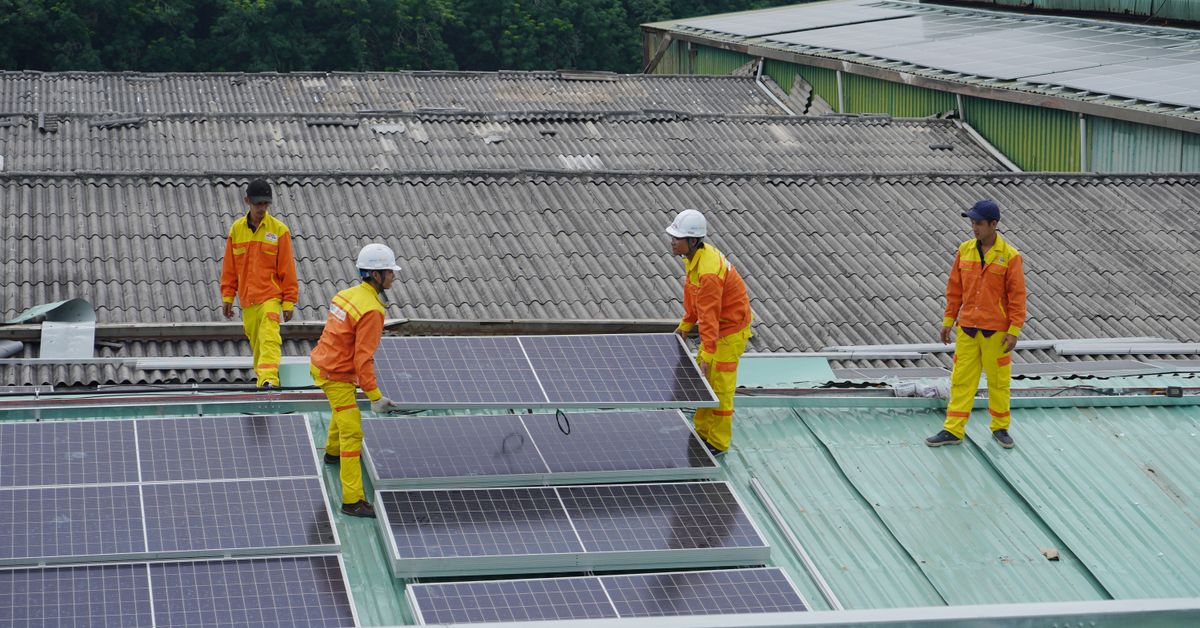
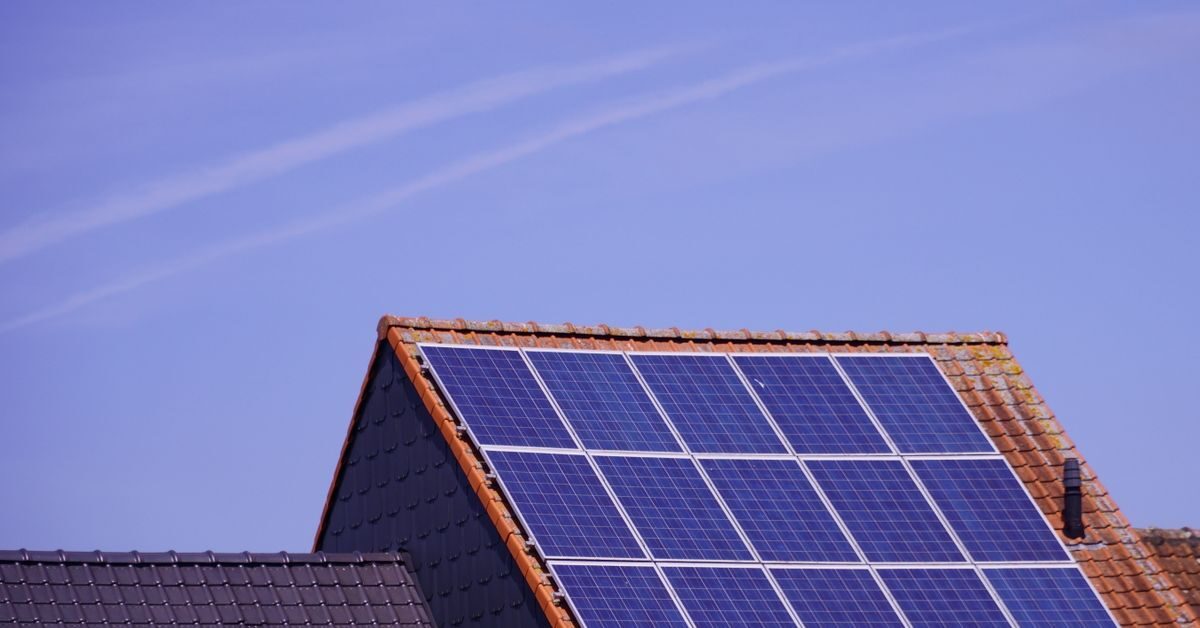
Solar panels are made of photovoltaic cells, usually built from silicon, that absorb photons of sunlight and knock electrons loose from atoms. This movement of electrons generates a direct current (DC) of electricity. Since most homes and the grid run on alternating current (AC), an inverter converts the DC output from the panels into usable AC power. Additionally, any surplus electricity a rooftop system generates can be sent back to the grid under net metering, effectively turning a household’s electricity meter backward and reducing its bill.
Types of Solar Power Systems
There are three main types of solar power setups used in India. Grid-tied systems remain connected to the electricity grid and export excess power, which is the most common and affordable option for homes. Off-grid systems rely entirely on batteries for storage and are used in areas without reliable grid access. Hybrid systems combine both, staying grid-connected while also storing power in a battery for backup during outages. Consequently, the right choice depends on how reliable your local grid connection already is and your budget for battery storage.
Why Solar Power Matters for India
Solar power reduces dependence on coal-based electricity, which still supplies the majority of India’s grid power and contributes heavily to air pollution and carbon emissions. Furthermore, rooftop solar directly cuts a household’s electricity bill, often paying back its installation cost within four to six years. The government has also prioritized solar expansion through schemes like PM Surya Ghar Muft Bijli Yojana, which offers a subsidy of up to Rs 78,000 for home systems up to 3 kW. As a result, solar adoption has more than doubled in the rooftop segment alone during the first half of 2026 compared to the previous year.
Solar Power vs Other Renewable Sources
Unlike wind energy, which depends on consistent wind speeds and specific geography, solar power can be installed on almost any south-facing roof with adequate sunlight, making it far more accessible for individual households. However, solar generation drops to zero at night, whereas wind and hydropower can generate around the clock under the right conditions. In contrast, this is why many large-scale renewable projects in India increasingly pair solar with battery storage or wind to smooth out generation across the day.
Is Solar Power Worth It for Your Home?
For most Indian households with a stable roof and reasonable sunlight exposure, solar power investment pays off well within its 25-year panel lifespan. Before deciding, it helps to estimate your specific savings using GreenNewsDesk’s Solar Panel Savings Calculator, which factors in your location, system size, and local electricity rates. You can also read our detailed breakdown of what makes a home genuinely green, and check whether your household would benefit more from a broader energy conservation approach before investing in a system. For more explainers like this, browse the Green Tech & Innovation category.
Common Myths About Solar Power
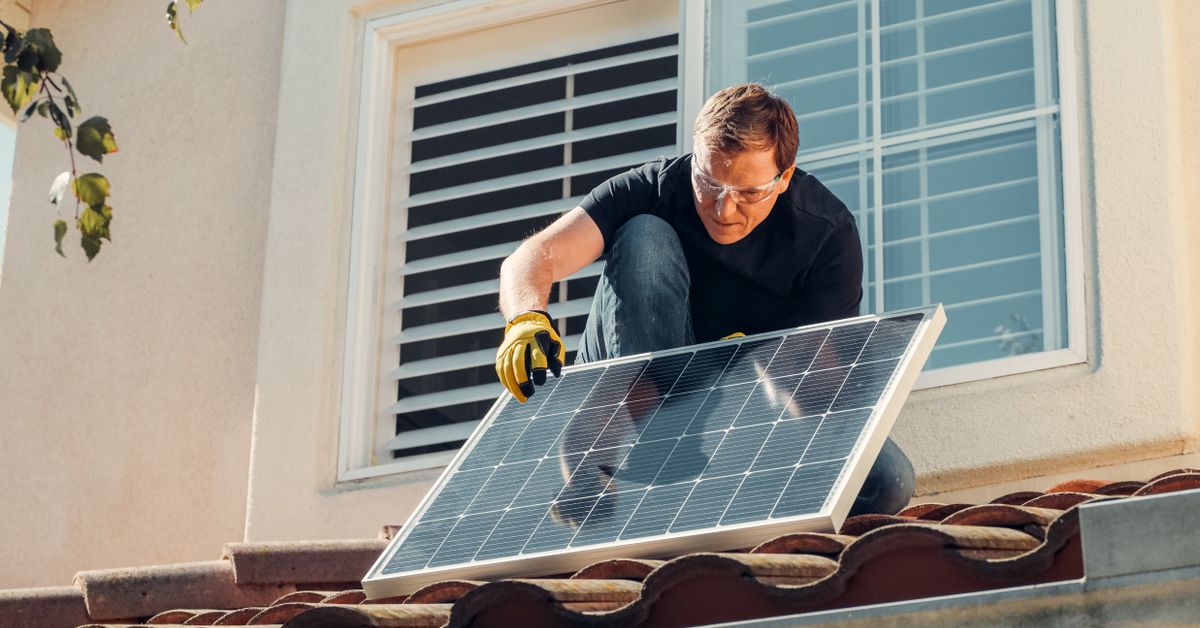
One persistent myth is that solar panels stop working entirely on cloudy or rainy days, but panels continue generating electricity from ambient diffused light, just at reduced output. Another common misconception is that solar panels require constant, expensive maintenance, when in reality most systems only need occasional cleaning to remove dust and debris, along with a basic annual inspection of wiring and inverter function. Some homeowners also assume solar panels will damage their roof, but professional installers use mounting systems specifically designed to avoid structural damage and typically include waterproofing as part of the installation process. Additionally, many people believe solar panels are only worthwhile in certain sunny states, but India’s geography means most regions receive sufficient annual sunlight hours to make rooftop solar financially viable, even in areas with more frequent cloud cover during monsoon months.
Solar Power’s Long-Term Environmental Payback
Manufacturing solar panels does require energy and generates some upfront carbon emissions, leading some skeptics to question whether solar power is truly clean. However, studies consistently show that a typical rooftop solar panel generates enough clean electricity within one to two years of operation to offset the carbon emissions produced during its manufacturing, after which every additional year of use represents a net environmental benefit. Given that panels are warrantied to perform for 25 years and often continue operating beyond that, the environmental payback substantially outweighs the manufacturing footprint over the system’s full lifespan. Consequently, even accounting for production emissions, solar power remains one of the most effective ways an individual household can meaningfully reduce its long-term carbon footprint.
Frequently Asked Questions
What is solar power in simple terms?
Solar power is electricity generated by converting sunlight into usable energy, most commonly through photovoltaic panels that turn light directly into electric current.
How much does solar power cost in India?
A residential rooftop solar system typically costs between Rs 50,000 and Rs 1.5 lakh per kW before subsidy, depending on panel type and installer, with government subsidies reducing this by up to Rs 78,000 for systems up to 3 kW.
Does solar power work on cloudy days?
Yes, but at reduced efficiency. Panels still generate electricity from diffused sunlight on cloudy days, typically producing 10 to 25 percent of their rated output compared to clear, sunny conditions.
How long do solar panels last?
Most solar panels carry a manufacturer performance warranty of 25 years, though many continue generating usable electricity, at reduced efficiency, well beyond that period.
What is the difference between solar power and solar energy?
The terms are often used interchangeably. Technically, solar energy refers to the raw energy from sunlight, while solar power refers specifically to that energy converted into usable electricity.
Sources and further reading: PM Surya Ghar: Muft Bijli Yojana (official portal) | Ministry of New and Renewable Energy