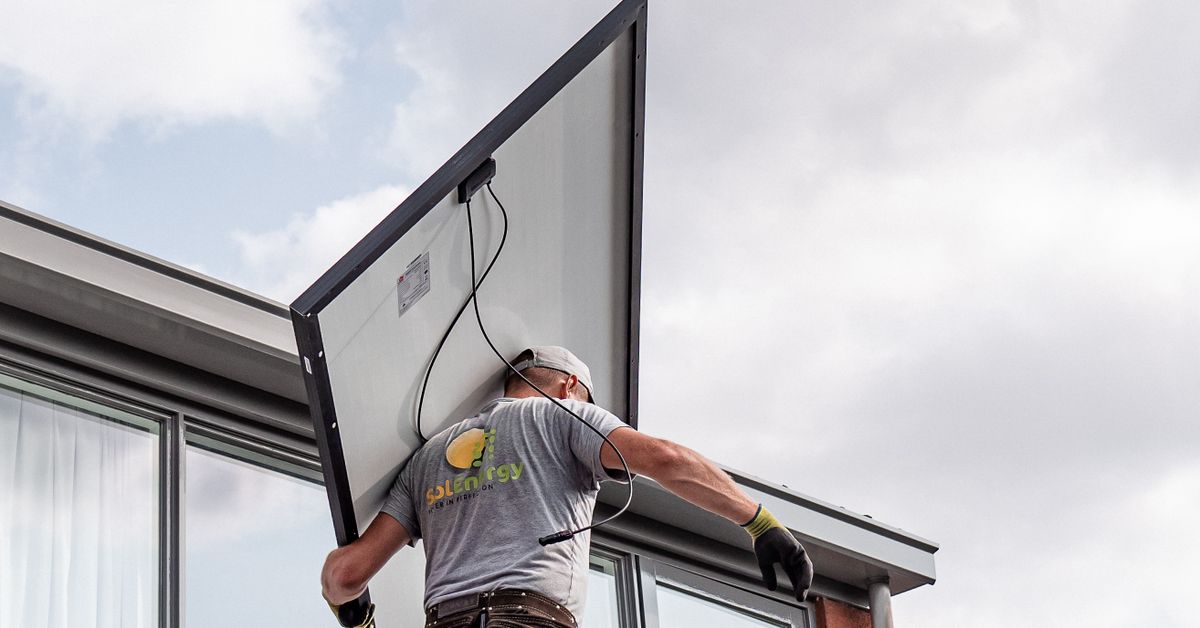
PM Surya Ghar Muft Bijli Yojana is a central government scheme that provides a subsidy of up to Rs 78,000 for households installing rooftop solar systems, with the goal of enabling up to 300 units of free electricity per month for eligible homes. The subsidy is paid directly to the applicant’s bank account after installation and grid connection are verified.
How Much Subsidy Can You Get?
The subsidy amount scales with system size. Households installing a 1 kW system receive Rs 30,000, a 2 kW system receives Rs 60,000, and systems of 3 kW or larger receive the maximum subsidy of Rs 78,000, regardless of how much bigger the system actually is. Specifically, the structure works out to Rs 30,000 per kW for the first 2 kW, and Rs 18,000 per kW for the third kW, after which the subsidy amount is capped. Consequently, most households opt for a 3 kW system since it captures the full maximum subsidy while still meeting typical household electricity needs.
Who Is Eligible?
To qualify for PM Surya Ghar, an applicant must be an Indian citizen who owns a residential property with a suitable rooftop for solar installation, and the household must have a valid electricity connection with no existing rooftop solar subsidy already claimed on that connection. Additionally, the property does not need to be in any specific income category, making the scheme broadly accessible rather than limited to economically weaker sections alone. However, applicants must use empanelled vendors and BIS-certified equipment for the subsidy to be approved.
How to Apply, Step by Step
- Register on the official PM Surya Ghar portal using your electricity consumer number and mobile number.
- Submit your application and select an empanelled vendor to conduct a feasibility survey of your roof.
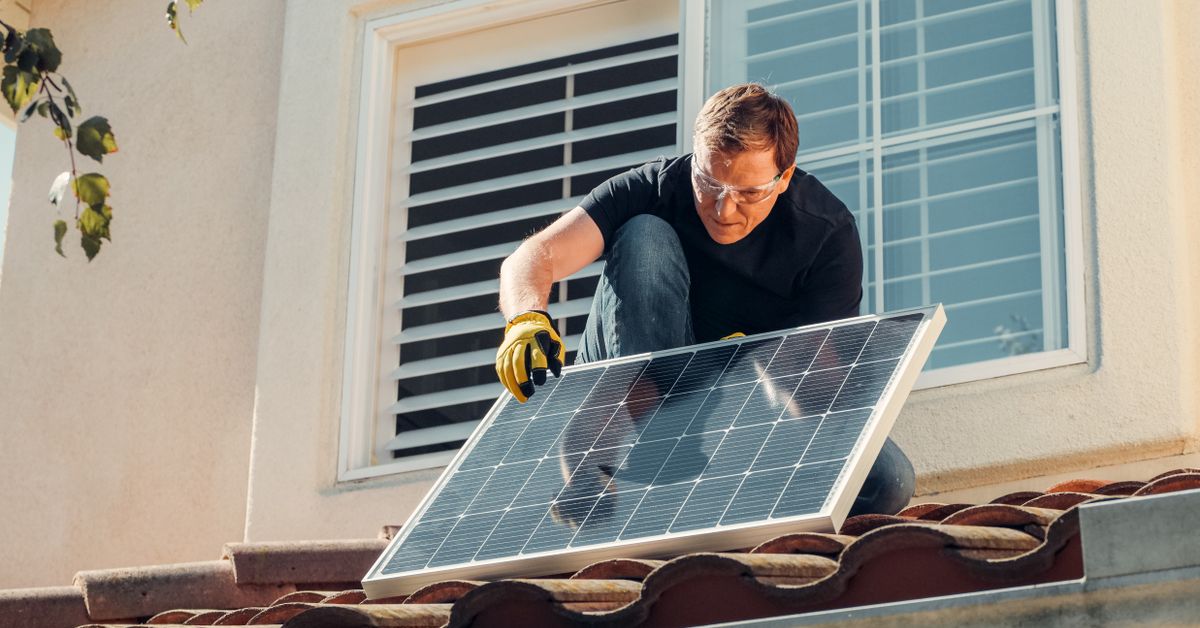
- Once approved, the vendor installs the solar system using BIS-certified panels and inverters.
- After installation, apply for net metering through your local electricity distribution company (DISCOM).
- Once the DISCOM commissions the net meter and verifies the installation, the subsidy is disbursed directly to your registered bank account.
How Many Free Units Can You Actually Get?
The scheme’s “free electricity” framing refers to the estimated savings a correctly sized rooftop system can generate, up to roughly 300 units of electricity per month, rather than a literal free electricity credit from the government. Therefore, actual savings depend on your system size, local sunlight availability, and your household’s electricity consumption pattern. Households that consume less electricity than their system generates can also earn additional income by exporting surplus power back to the grid under net metering, though export compensation rates vary by state.
Is It Worth Applying?
For most households with a stable roof and reasonable sunlight exposure, PM Surya Ghar meaningfully reduces the net cost of going solar and shortens the payback period significantly compared to installing without any subsidy. Before applying, use GreenNewsDesk’s Solar Panel Savings Calculator to estimate your specific savings, and read our full breakdown of solar panel installation costs to understand what you’ll pay even after the subsidy. For a broader explainer on the technology itself, see our guide on how solar power works. Browse more explainers in the Green Tech & Innovation category.
Common Mistakes to Avoid When Applying
Many applicants lose time or risk subsidy rejection by working with vendors who are not officially empanelled under the scheme, so it’s essential to confirm your chosen installer’s empanelment status on the official portal before signing any agreement. Additionally, using non-BIS-certified panels or inverters, even if cheaper, will disqualify your installation from subsidy eligibility entirely, making it critical to verify certification documentation before installation begins rather than after. Some applicants also delay their net metering application after installation, unaware that subsidy disbursement depends on the DISCOM completing this step, which can extend the wait for payment considerably if not initiated promptly. Therefore, staying proactive at each stage of the process, rather than assuming the vendor will handle every step automatically, helps avoid unnecessary delays.
What Happens If Your DISCOM Is Slow to Respond?
Net metering approval timelines vary significantly by state and even by specific DISCOM, with some processing applications within a few weeks and others taking several months due to administrative backlogs. If your net metering application appears stalled, most state electricity regulatory commissions have a grievance redressal mechanism specifically for delayed rooftop solar connections, which applicants can use to escalate unresolved cases. Additionally, several states have introduced deemed approval provisions, meaning if the DISCOM fails to respond within a specified timeframe, the application is automatically considered approved, though the exact rules vary by state and are worth checking with your local electricity board.
Frequently Asked Questions
What is PM Surya Ghar Yojana?
PM Surya Ghar Muft Bijli Yojana is a central government scheme that provides a subsidy of up to Rs 78,000 for households installing rooftop solar systems, aiming to reduce electricity bills nationwide.
How much subsidy do I get for a 3 kW solar system?
A 3 kW or larger system qualifies for the maximum subsidy of Rs 78,000, which is the capped amount regardless of any additional capacity beyond 3 kW.
Who is eligible for PM Surya Ghar Yojana?
Any Indian citizen who owns a residential property with a suitable rooftop and a valid electricity connection, without a prior rooftop solar subsidy already claimed, can apply.
Does PM Surya Ghar really give 300 free electricity units?
The “free electricity” figure represents estimated savings from a correctly sized system, not a literal free credit, and actual savings depend on system size and household consumption.
How long does subsidy disbursement take after installation?
Disbursement typically occurs after the DISCOM commissions the net meter and verifies the installation, though exact processing times vary by state and local distribution company.
Sources and further reading: PM Surya Ghar: Muft Bijli Yojana (official portal) | Ministry of New and Renewable Energy
One thought on “PM Surya Ghar Yojana: Free Solar Subsidy Scheme Explained (2026)”
Comments are closed.