A solar battery stores excess electricity generated by your solar panels so it can be used during the night or a power cut, instead of relying entirely on grid export. Lithium-ion batteries have become the preferred choice for most new solar installations due to their longer lifespan and higher efficiency compared to older lead-acid options.
Why You Might Need a Solar Battery
Most grid-tied solar systems in India export surplus electricity back to the grid through net metering rather than storing it locally, which works well as long as grid power remains reliable. However, a solar battery becomes valuable in areas with frequent power cuts, since it allows your home to run on stored solar power during an outage instead of losing electricity entirely. Additionally, a battery lets you use solar-generated power in the evening and at night, when panels are no longer producing electricity but household demand is often highest.
Types of Solar Batteries
Lead-acid batteries were the traditional choice for solar storage, offering a lower upfront cost but a shorter lifespan, typically three to five years, and lower usable capacity since they should not be discharged below 50 percent. Lithium-ion batteries, now the dominant choice for new installations, cost more upfront but last significantly longer, often eight to fifteen years, and can be discharged much more deeply without damaging the battery. Consequently, while lithium-ion has a higher initial price, it frequently works out cheaper over its full lifespan due to fewer replacements and better efficiency.
What Affects Solar Battery Price
- Battery chemistry: lithium-ion batteries cost more upfront than lead-acid but last two to three times longer.
- Storage capacity: measured in kWh, larger capacity batteries cost more but provide longer backup during outages.
- Brand and warranty: established brands with longer warranties typically command a higher price than lesser-known manufacturers.
- Inverter compatibility: hybrid inverters designed to work with battery storage can add to the total system cost beyond the battery itself.
Do You Actually Need a Battery With Your Solar System?
For households in areas with stable grid power, a grid-tied system without battery storage is usually the most cost-effective choice, since net metering already provides a way to benefit from surplus generation. Therefore, a battery makes the most financial sense specifically for households facing frequent power cuts, or those wanting backup power for essential appliances during outages. Before adding battery storage to your system, it’s worth calculating whether the added upfront cost is justified by your specific power reliability needs in your area.
Planning Your Solar and Battery Setup
If you’re evaluating whether to add battery storage, first estimate your base solar savings using GreenNewsDesk’s Solar Panel Savings Calculator, then factor in the additional upfront cost of a battery against your local power reliability. You can also read our guide on solar panel installation costs to understand the base system price before adding storage. For a foundational explainer, see how solar power works. Browse more explainers in the Green Tech & Innovation category.
Solar Battery Safety and Installation Considerations
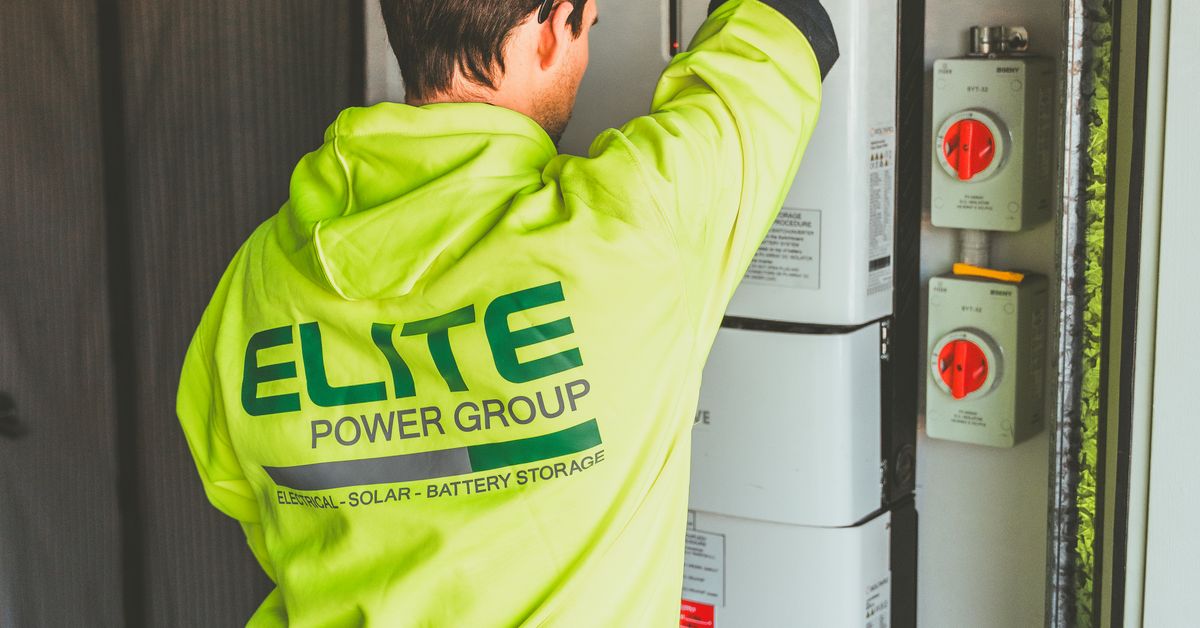
Lithium-ion solar batteries are generally safe when installed correctly, but proper ventilation and placement significantly reduce any risk of overheating, particularly in India’s hot climate where ambient temperatures can already push battery systems toward their upper operating limits. Consequently, most manufacturers recommend installing batteries in a shaded, well-ventilated area away from direct sunlight and away from living spaces where possible, both for safety and to preserve battery lifespan. Additionally, a proper battery management system (BMS) is essential, since it monitors individual cell temperatures and voltage levels, automatically preventing unsafe charging or discharging conditions that could otherwise degrade the battery prematurely or pose a safety risk.
Battery Capacity: How Much Storage Do You Actually Need?
Sizing a solar battery correctly depends on your household’s typical evening and nighttime electricity usage, since oversizing adds unnecessary upfront cost while undersizing leaves you without backup during longer outages. A useful starting point is calculating your average daily electricity consumption during hours when solar panels aren’t generating, typically evening and early morning, then choosing a battery capacity that comfortably covers that usage with some buffer for cloudy days or unexpected demand spikes. Many installers offer a load assessment as part of the quotation process, which can help avoid the common mistake of either overspending on unnecessary capacity or underestimating backup needs during genuine emergencies.
Frequently Asked Questions
What is a solar battery used for?
A solar battery stores excess electricity generated by solar panels so it can be used at night or during a power cut, instead of relying entirely on grid export.
Is lithium-ion or lead-acid better for solar storage?
Lithium-ion batteries cost more upfront but last significantly longer and can be discharged more deeply, often making them cheaper over their full lifespan compared to lead-acid.
Do I need a battery with my rooftop solar system?
Not necessarily. Households with stable grid power often benefit more from net metering alone, while a battery makes more sense for areas with frequent power cuts.
How long do solar batteries typically last?
Lead-acid batteries typically last three to five years, while lithium-ion batteries commonly last eight to fifteen years depending on usage and depth of discharge.
Does adding a battery significantly increase system cost?
Yes, battery storage adds a meaningful upfront cost on top of the base solar system, so it should be weighed against your specific need for backup power.
Sources and further reading: PM Surya Ghar: Muft Bijli Yojana (official portal) | Ministry of New and Renewable Energy