The BEE star rating, issued by India’s Bureau of Energy Efficiency, grades appliances like ACs, fans, and refrigerators on a scale of 1 to 5 stars based on energy efficiency, with 5 stars indicating the lowest electricity consumption. A 5-star appliance can use up to 65% less electricity than a comparable 1-star model, directly lowering your monthly electricity bill.
How the BEE Star Rating System Works
The Bureau of Energy Efficiency (BEE), under the Ministry of Power, tests and rates common household appliances on their energy consumption relative to their performance output. Each rating label displays the star rating, the appliance’s annual energy consumption in kWh, brand and model details, the BEE logo and license number, and often a QR code for further verification. Consequently, comparing two appliances of the same type and capacity becomes straightforward: the higher star rating consumes less electricity to deliver equivalent performance.
How Much Can You Actually Save?
The efficiency difference between a 2-star and a 5-star appliance can mean 20 to 30 percent lower electricity usage, depending on the appliance category, while some categories see savings up to 65% between the lowest and highest rated models. For appliances used daily and for extended hours, such as air conditioners, refrigerators, and ceiling fans, this efficiency gap compounds into meaningful savings over the appliance’s lifetime, often more than offsetting a higher upfront purchase price.
Which Appliances Benefit Most From Higher Ratings?
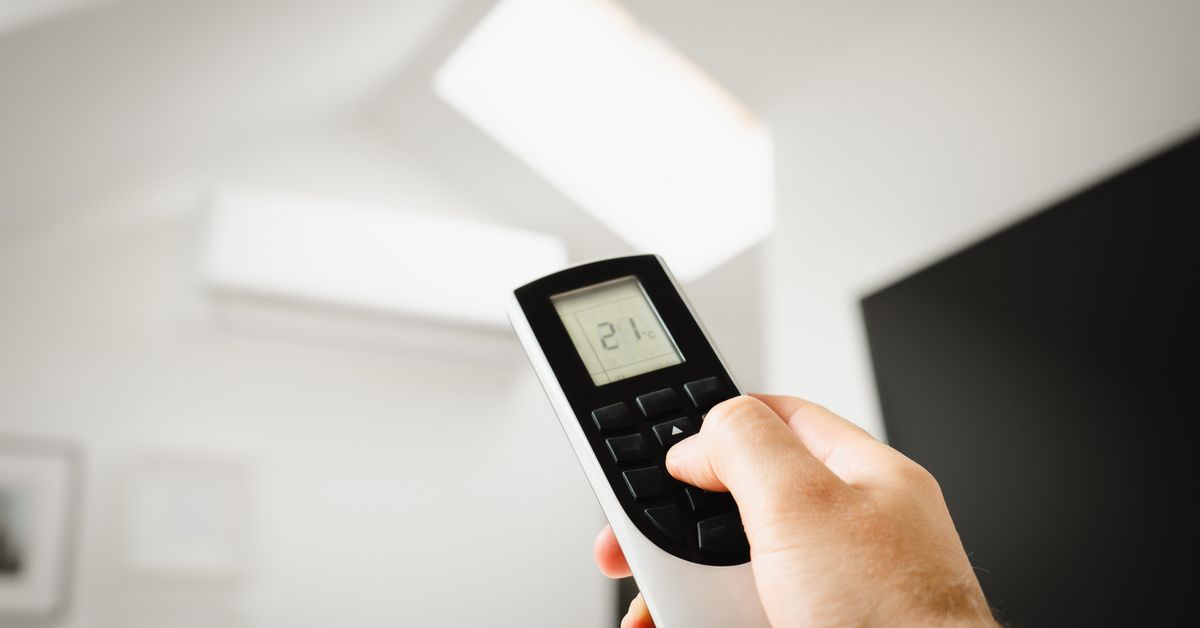
- Air conditioners: among the highest electricity consumers in Indian homes, making star rating especially impactful for AC purchases.
- Ceiling fans: newer BLDC (brushless DC) fans with 5-star ratings use significantly less power than older induction motor fans.
- Refrigerators: run continuously, so even small efficiency differences add up substantially over a year.
- LED lighting: while already efficient compared to older bulbs, higher-rated LED options still offer measurable additional savings.
- Washing machines and geysers: less continuously used than ACs or fridges, but still worth checking given their significant per-use energy draw.
Is a Higher Star Rating Always Worth the Extra Cost?
Generally yes, particularly for appliances used frequently or for long durations, since the electricity savings over several years of use typically exceed the higher upfront price of a better-rated model. However, for appliances used rarely or for short durations, the payback period on the extra cost may extend longer, making the calculation less clear-cut. Therefore, it helps to estimate your actual usage hours before assuming a 5-star model is automatically worth the price premium for every appliance category.
Making Energy-Efficient Choices at Home
Checking BEE star ratings is one of the simplest ways to reduce household electricity consumption without changing your daily habits. For a broader look at cutting your electricity bill, see our guide on energy conservation at home, or run through our Home Energy Audit Checklist Tool to identify other savings opportunities. Browse more explainers in the Green Tech & Innovation category.
How BEE Ratings Are Tested and Verified
The Bureau of Energy Efficiency establishes standardized testing protocols for each appliance category, requiring manufacturers to submit products for laboratory testing under controlled conditions before a star rating can be assigned. These tests measure the appliance’s energy consumption relative to its performance output, such as cooling capacity for an air conditioner or spin efficiency for a washing machine, using standardized methods to ensure ratings are comparable across brands. Additionally, BEE periodically revises its rating criteria as technology improves, meaning a 5-star appliance rated under older criteria may not meet the same efficiency threshold as a 5-star appliance rated under current standards, which is worth checking when comparing older and newer appliance models.
Star Ratings Are Not the Only Factor to Consider
While star rating is a valuable efficiency indicator, it shouldn’t be the only factor in an appliance purchase decision. A larger capacity appliance with a lower star rating may still consume more electricity in absolute terms than a smaller, higher-rated model, so it’s important to consider your actual usage needs alongside the rating itself. Additionally, build quality, warranty terms, and brand reliability all affect an appliance’s total cost of ownership beyond just its electricity consumption, meaning the most efficient model on paper isn’t automatically the best overall choice for every household. Therefore, using the BEE star rating as one input among several, rather than the sole deciding factor, typically leads to a more balanced purchase decision.
Frequently Asked Questions
What does BEE star rating mean?
BEE star rating is a system by India’s Bureau of Energy Efficiency that grades appliances on a scale of 1 to 5 stars based on energy efficiency, with 5 stars being the most efficient.
How much electricity can a 5-star appliance save?
A 5-star appliance can use up to 65% less electricity than a comparable 1-star model, depending on the appliance category.
Which appliances benefit most from a higher BEE rating?
Air conditioners, refrigerators, and ceiling fans benefit most, since they run frequently or continuously, making efficiency differences add up significantly over time.
Is it worth paying more for a 5-star rated appliance?
Generally yes for appliances used frequently or for long durations, since electricity savings over time typically exceed the higher upfront cost.
Who issues the BEE star rating in India?
The Bureau of Energy Efficiency, operating under India’s Ministry of Power, tests and issues star ratings for household appliances.
Sources and further reading: Bureau of Energy Efficiency | Ministry of Power