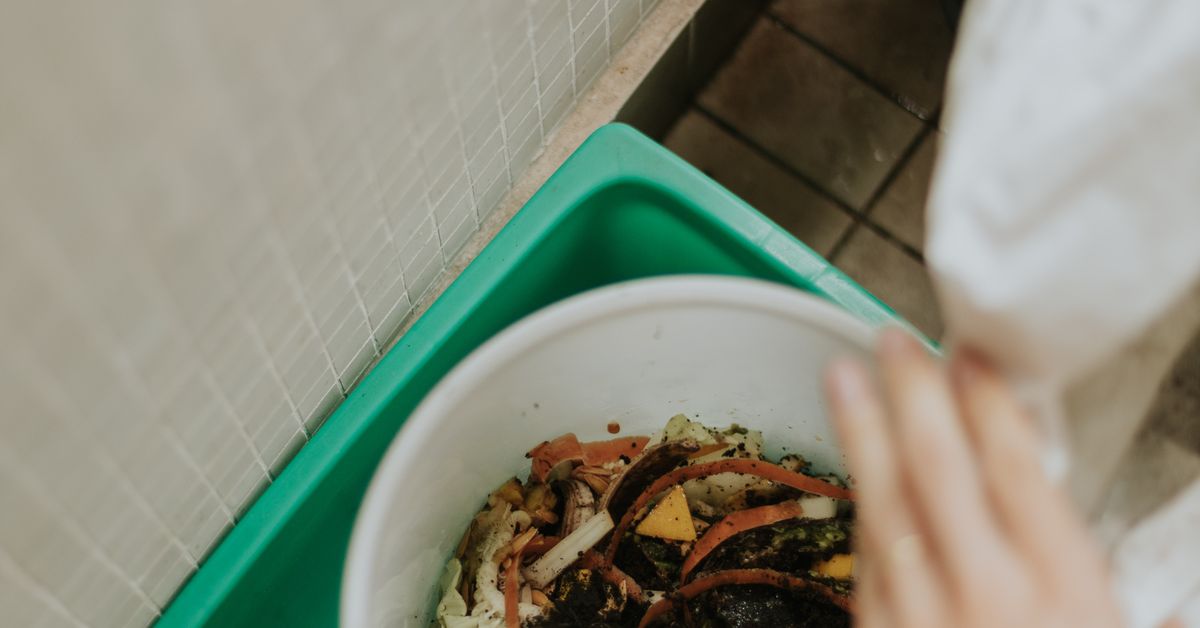
Composting is the process of breaking down food scraps and yard waste into nutrient-rich material for soil, using a mix of nitrogen-rich “green” materials and carbon-rich “brown” materials. A basic backyard compost pile needs only a bin, kitchen scraps, dry leaves, and occasional turning to produce usable compost within four to six months.
What Is Composting and Why It Matters in India
India generates roughly 1.85 lakh tonnes of municipal solid waste every day, adding up to more than 62 million tonnes annually, and organic waste accounts for 51 percent of that total. However, only 30 to 35 percent of household waste gets properly segregated, which limits how much of it can actually be composted or recycled instead of ending up in a landfill. Composting your own kitchen and garden waste directly reduces the volume sent to already overflowing dump sites, and it cuts methane emissions that untreated organic waste generates as it decomposes in landfill conditions.
How to Start a Compost Pile or Bin at Home
Choose a spot with partial shade and good drainage, ideally tucked away from direct foot traffic but still easy to reach with kitchen scraps. If you have outdoor space, a simple pile or a basic wire-mesh bin roughly 3 feet wide works well; apartment dwellers can use a compact compost tumbler or a stacked bin system designed for balconies. Start by layering a base of dry material like leaves or cardboard, then begin adding kitchen scraps on top, keeping the pile as moist as a wrung-out sponge. Turning the pile every one to two weeks speeds up decomposition by adding oxygen, though slower “no-turn” methods work too if you are short on time.
What to Add to Your Compost: Green vs Brown Materials
Successful composting depends on balancing two material types. Aim for roughly one-third green materials to two-thirds brown materials by volume:
- Green materials (nitrogen-rich): Vegetable and fruit scraps, tea bags, coffee grounds, fresh grass clippings, and eggshells.
- Brown materials (carbon-rich): Dry leaves, shredded cardboard, newspaper, sawdust, and dried plant stems.
This balance matters because too much green material makes the pile wet and smelly, while too much brown material slows decomposition to a crawl.
Composting Do’s and Don’ts
Getting a few basics wrong is the most common reason first-time composters give up. Keep these rules in mind:
- Do chop larger scraps into smaller pieces to speed up breakdown.
- Do keep the pile moist but not waterlogged, checking it roughly once a week.
- Don’t add meat, dairy, or oily food, since these attract rodents and other pests.
- Don’t add cooked food or buttery leftovers for the same reason.
- Don’t compost diseased plants or pet waste, which can contaminate the finished compost.
- Do turn the pile regularly, or use coarse brown material that keeps air pockets open naturally.
How Long Until You Get Usable Compost
Most home compost piles produce finished, usable compost within four to six months, though a well-maintained pile that is turned regularly and kept properly moist can finish faster. You will know it is ready when the material looks dark, crumbly, and smells earthy rather than like rotting food. From there, mix the finished compost into garden soil or potted plants to add nutrients naturally, without relying on synthetic fertilizer.
Composting pairs naturally with other resource-conscious habits at home. If you have not already, see GreenNewsDesk’s guide to water conservation methods and our breakdown of what actually makes a green home, or check our guide to genuinely eco-friendly products to extend the habit further. For more guides like this, browse the Green Living Guide category.
Troubleshooting Common Composting Problems
New composters often run into a handful of predictable issues. A foul, ammonia-like smell usually signals too much nitrogen-rich “green” material (food scraps) relative to carbon-rich “brown” material (dry leaves, cardboard) — adding more browns and turning the pile typically resolves it within a few days. A compost pile that stays wet and slow to break down often needs better drainage or additional dry bulking material. Pest attraction is usually caused by exposed food scraps; burying fresh additions under a layer of browns largely prevents this. If the pile isn’t heating up at all, it likely needs more volume or moisture — a functioning pile should feel warm to the touch within one to two weeks of active composting.
Frequently Asked Questions
Can I compost in an apartment without outdoor space?
Yes. Compact compost tumblers, stacked bin systems, and bokashi bins are all designed for balconies or indoor use and produce usable compost without needing a backyard pile.
Why does my compost smell bad?
A smelly pile usually means too much green material relative to brown, or too much moisture. Add more dry brown material like leaves or shredded cardboard and turn the pile to introduce air.
Can I compost citrus peels and onion skins?
Yes, in moderation. Citrus and onion are fine in a compost pile despite some myths otherwise, though adding too much at once can slightly slow decomposition due to their acidity.
Do I need to buy a special compost bin to get started?
No. A simple pile in a shaded corner of a yard, or a homemade bin from a plastic container with drainage holes, works just as well as a commercial compost bin for most home composters.
How do I know when my compost is finished and ready to use?
Finished compost looks dark brown, crumbly, and smells like earth rather than rotting food. If you can still recognize individual food scraps, it needs more time.
Sources and further reading: Ministry of Housing and Urban Affairs (Swachh Bharat Mission) | Central Pollution Control Board
One thought on “How to Start Composting at Home: A Beginner’s Guide”
Comments are closed.