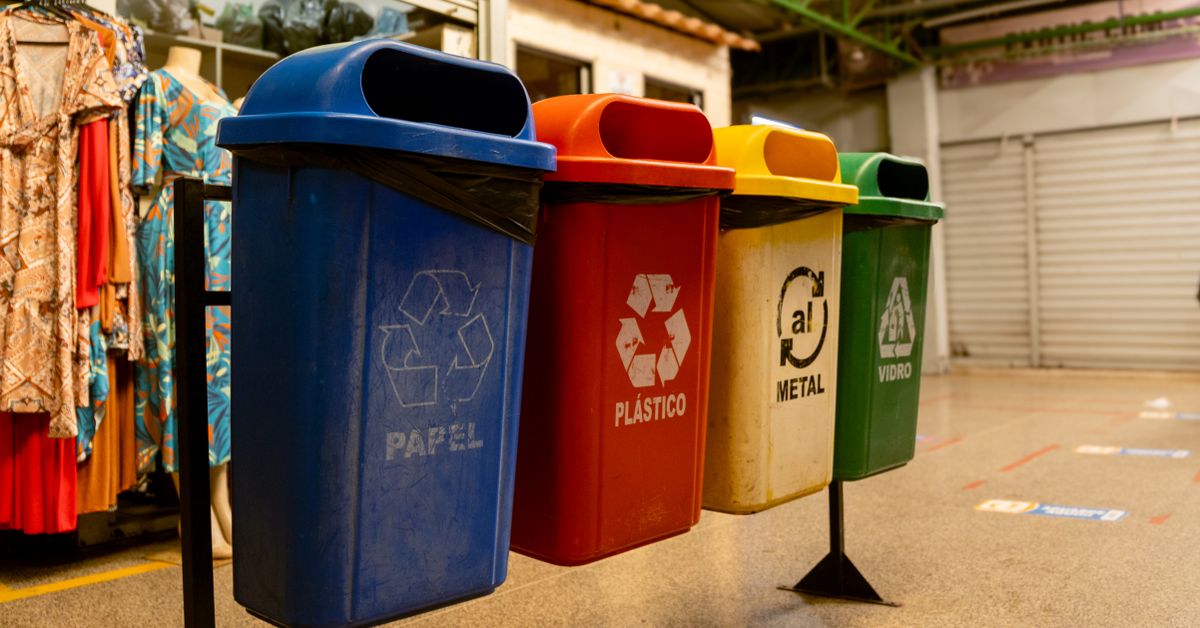
Reduce, reuse, recycle describes a waste hierarchy ranked by environmental impact: reducing what you consume in the first place, reusing items instead of discarding them, and recycling materials only as a last resort before disposal. Recycling gets the most attention, but reducing and reusing prevent far more waste than recycling ever recovers.
What “Reduce, Reuse, Recycle” Actually Means
The three Rs are not interchangeable options; they are ranked in order of environmental benefit. The waste hierarchy places reduction at the top because waste that is never created does not need to be reused, recycled, or disposed of at all. Reuse comes next, since it extends the life of an item without the energy cost of reprocessing it. Recycling sits last among the three, useful but the least efficient, because it still requires collection, processing, and energy to transform waste into something new. Therefore, treating recycling as the primary solution, while ignoring reduction and reuse, misses most of the potential impact.
Reduce: The Most Effective Step, and the Most Ignored
Reducing consumption starts with examining what you actually buy and why. Choosing products with less packaging, buying only what you will use, and avoiding single-use items like disposable cutlery or plastic bags all cut waste before it exists. This step is consistently the most overlooked of the three, largely because it requires a change in buying habits rather than a one-time action like sorting your trash. However, it is also the step with the largest cumulative impact, since it reduces demand on manufacturing, packaging, and transportation all at once.
Reuse: Getting More Life Out of What You Already Own
Reuse focuses on finding a new purpose for something instead of discarding it after one use. This can mean repurposing glass jars for storage, donating clothing instead of throwing it away, repairing appliances rather than replacing them, or choosing refillable containers over single-use packaging. Consequently, reuse keeps items in circulation longer and reduces the need for new raw materials, without the energy-intensive reprocessing that recycling requires.
Recycle: Understanding Plastic Codes Before You Toss Something in the Bin
Most plastic items carry a resin code, a number from 1 to 7 inside a triangular arrow symbol, that indicates the type of plastic used. Plastics coded 1 (PET) and 2 (HDPE) are the most widely and reliably recycled types, commonly found in water bottles and milk jugs. Codes 4 and 5 are also generally considered safe to recycle, while codes 3 (PVC) and 6 (polystyrene) are far harder to process and often rejected by municipal recycling programs. Importantly, the resin code only identifies the plastic type; it does not guarantee that your local recycling facility actually accepts it, so checking local guidelines before assuming an item is recyclable prevents contaminating an entire batch of otherwise recyclable material.
Putting the 3 Rs Into Practice at Home
A practical daily approach looks like this: carry a reusable water bottle and shopping bag to reduce single-use plastic, repair or donate items instead of discarding them to extend their use, and separate recyclables correctly using resin codes as a guide rather than guessing. Composting kitchen scraps fits naturally alongside this hierarchy too, since it diverts organic waste from landfills entirely; see GreenNewsDesk’s beginner’s guide to composting for a step-by-step approach. Pairing waste reduction with other resource-conscious habits, like the practices covered in our guide to water conservation methods, compounds your household’s overall environmental impact. For genuinely sustainable product recommendations that support the “reduce” step directly, see our guide to eco-friendly products. For more practical sustainability guides, browse the Green Living Guide category.
Frequently Asked Questions
Which of the three Rs has the biggest environmental impact?
Reduce has the biggest impact, since waste that is never created does not need any further processing. Reuse is the second most effective, and recycling, while valuable, is the least efficient of the three because it still requires energy and resources to reprocess materials.
What do the numbers inside the recycling triangle on plastic mean?
The number is a resin identification code from 1 to 7 that indicates the type of plastic used. It does not by itself confirm that the item is accepted by your local recycling program, so it should be treated as a starting reference rather than a guarantee.
Is it better to reuse an item or recycle it?
Reuse is generally better when an item can still serve its purpose, since it avoids the energy and processing cost of recycling. Recycling should be considered only once an item can no longer be reused or repaired.
Can all plastic with a recycling symbol actually be recycled?
No. The recycling symbol with a number only identifies the plastic type; whether it is actually recyclable depends on your local facility’s capabilities. Codes 1, 2, 4, and 5 are the most commonly accepted types.
What is an easy first step to apply the three Rs at home?
Start with reduction by cutting single-use items like plastic bags and disposable cutlery from your routine, since this prevents waste before it is ever created and requires no special equipment or sorting.
Sources and further reading: Ministry of Housing and Urban Affairs (Swachh Bharat Mission) | Central Pollution Control Board