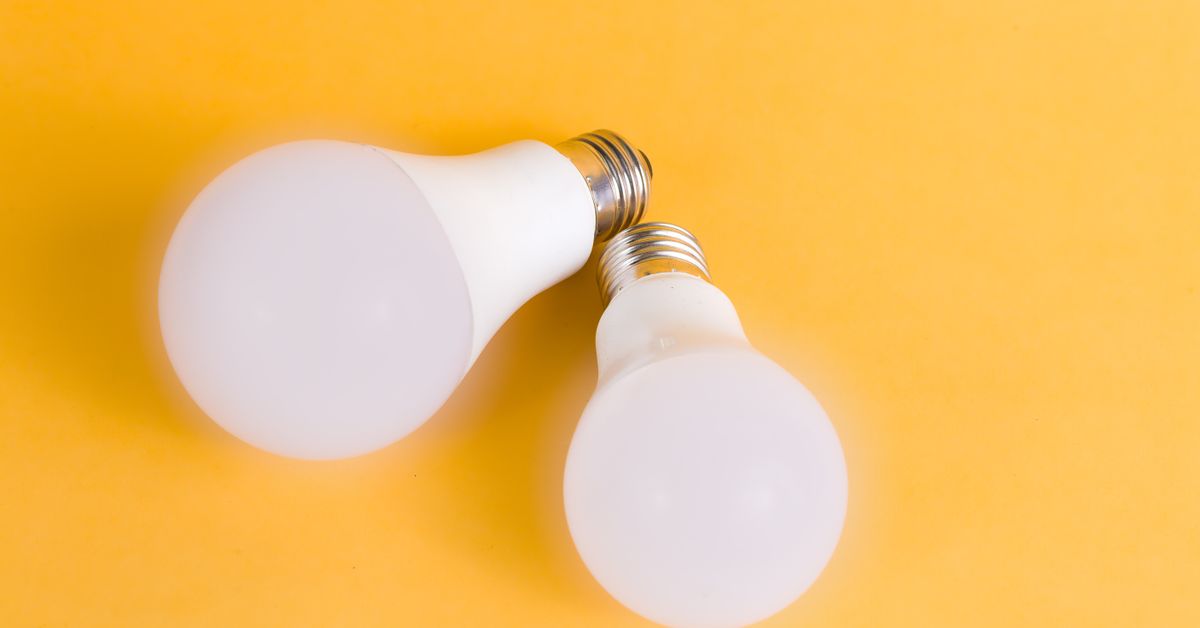
Energy conservation at home means reducing electricity use through simple habits and efficient appliances, from switching to LED lighting to choosing BEE star-rated equipment. Combining just a handful of these changes can cut a typical Indian household’s electricity bill by 20 to 30 percent without any major renovation.
Why Energy Conservation Matters
India’s power grid faces growing peak-hour strain as demand rises alongside rising incomes and appliance ownership, making household-level conservation genuinely useful rather than symbolic. The Bureau of Energy Efficiency designates December 14 as National Energy Conservation Day specifically to raise awareness of how much individual households can influence total demand. Beyond the grid-level impact, conservation directly lowers your own electricity bill, which compounds over years into meaningful savings, especially as tariffs continue to rise in most states.
Easy Energy Conservation Tips for Indian Homes
- Switch to LED lighting throughout the home; LEDs use up to 90 percent less energy than incandescent bulbs and last far longer, reducing replacement costs too.
- Open windows for natural light and ventilation during the day instead of relying on artificial lighting and fans.
- Run washing machines, dishwashers, and other high-draw appliances during off-peak hours, which reduces strain on the grid and can lower costs under time-of-use tariffs.
- Unplug chargers and appliances on standby, since many devices continue drawing small amounts of power even when switched off but still plugged in.
- Service air conditioners and refrigerators regularly, since dirty filters and coils force these appliances to work harder and consume more electricity.
- Set air conditioner temperatures a few degrees higher than the coldest setting; each degree lower can meaningfully increase electricity draw.
Understanding BEE Star Ratings Before You Buy Appliances
The Bureau of Energy Efficiency’s Standard and Labelling Program rates appliances from 1 to 5 stars based on energy efficiency, with 5-star appliances consuming the least electricity for a given task. A 5-star rated refrigerator or air conditioner typically costs more upfront than a lower-rated model, but the difference in electricity consumption over the appliance’s lifetime usually more than offsets that premium, particularly for appliances that run constantly like refrigerators. Checking the BEE star label before purchasing any major appliance is one of the highest-leverage single decisions a household can make for long-term energy conservation.
Bigger Investments: Solar and Efficient Appliances
For households ready to invest beyond behavior changes, rooftop solar panels offer the largest long-term reduction in grid electricity dependence, and several states allow excess generated power to be sold back to the grid. You can estimate potential savings for your specific home using GreenNewsDesk’s Solar Panel Savings Calculator before committing to installation costs. Replacing aging appliances with 5-star rated models, even before they fail completely, often pays for itself within a few years through lower monthly bills, particularly for appliances used daily like refrigerators and air conditioners.
How Much You Can Actually Save
Combining LED lighting, BEE star-rated appliances, and basic behavioral changes like off-peak appliance use typically cuts a household’s electricity bill by 20 to 30 percent, based on patterns reported across multiple Indian energy efficiency programs. The exact savings depend heavily on your starting point; households still using incandescent bulbs and older, lower-rated appliances tend to see the largest proportional gains from switching. To find out exactly where your home is losing the most energy, GreenNewsDesk’s Home Energy Audit Checklist Tool scores your home across lighting, appliances, insulation, and water heating in a few minutes, highlighting your weakest category first.
Energy conservation is one piece of a broader resource-efficient household; see our guide to what makes a green home for the fuller picture, or browse the Green Living Guide category for more practical guides.
Frequently Asked Questions
What is the easiest way to start conserving energy at home?
Switching to LED lighting is usually the easiest first step, since it requires no behavior change beyond replacing bulbs and delivers immediate, measurable savings on lighting-related electricity use.
What do BEE star ratings mean on appliances?
BEE star ratings, from 1 to 5 stars, indicate how energy-efficient an appliance is for its category, with 5-star models consuming the least electricity. Higher-rated appliances often cost more upfront but save money over their lifetime.
When is National Energy Conservation Day?
National Energy Conservation Day falls on December 14 each year, designated by the Bureau of Energy Efficiency to raise awareness about household and industrial energy conservation.
How much can I realistically save by conserving energy at home?
Most households combining LED lighting, BEE star-rated appliances, and off-peak appliance use see electricity bill reductions of 20 to 30 percent, though exact savings depend on your starting appliances and habits.
Is rooftop solar worth it for reducing home energy costs?
For many Indian homeowners, yes, particularly those with high electricity bills and adequate roof space. Use a solar savings calculator to estimate the specific payback period and savings for your home before committing to installation.
Sources and further reading: Bureau of Energy Efficiency | Ministry of Power

2 thoughts on “Energy Conservation at Home: Practical Tips to Cut Your Electricity Bill”
Comments are closed.