Charging an electric vehicle at home typically costs Rs 8 to Rs 12 per unit of electricity, based on standard domestic tariffs, making a full charge for a typical 30-40 kWh EV battery cost roughly Rs 250 to Rs 480. Public fast charging stations usually charge more per unit, often Rs 15 to Rs 25, but deliver a much faster charge for drivers who need a quick top-up while traveling.
How Home Charging Costs Are Calculated
Home EV charging cost depends directly on your local domestic electricity tariff, which typically ranges from Rs 6 to Rs 12 per unit (kWh) depending on your state and consumption slab. To calculate your approximate charging cost, multiply your battery’s usable capacity in kWh by your per-unit electricity rate; for example, a 40 kWh battery charged at Rs 8 per unit costs roughly Rs 320 for a full charge from empty. Consequently, home charging remains significantly cheaper than running a comparable petrol vehicle over the same distance, even before accounting for any time-of-day tariff discounts some states offer for off-peak charging.
Public Charging Station Costs
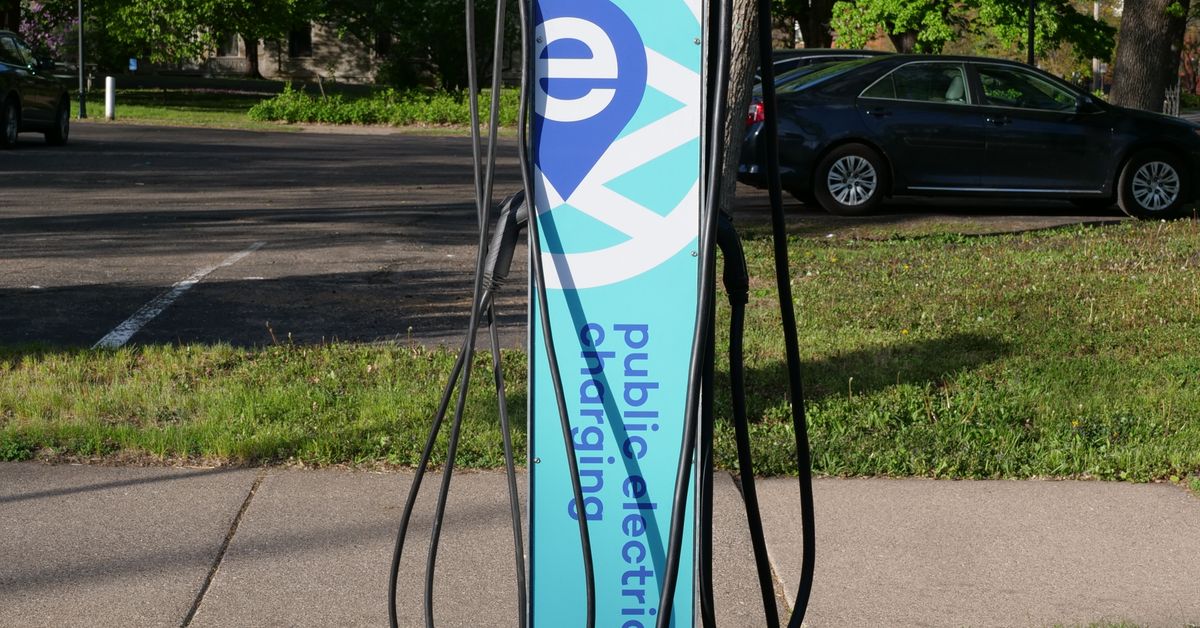
Public charging stations, particularly DC fast chargers, typically charge more per unit than home electricity, often in the range of Rs 15 to Rs 25 per kWh, reflecting the infrastructure and operational costs of running a charging network. Additionally, some networks charge by time rather than by unit consumed, which can make costs less predictable if your vehicle charges slower than the station’s rated speed. Therefore, while public charging offers convenience and speed for long trips, relying on it exclusively costs considerably more than charging primarily at home.
Home Charging vs Public Charging: Which Should You Use?
- Home charging is best for daily use, offering the lowest cost per unit and the convenience of charging overnight.
- Public fast charging is best reserved for long trips or emergencies, where speed matters more than cost per unit.
- A Level 2 home charger charges significantly faster than a standard wall socket, making it worth the upfront investment for regular EV owners.
- Workplace charging, where available, can offer a useful middle ground between home and public charging costs.
How EV Charging Costs Compare to Petrol
Even at public fast-charging rates, the cost per kilometer for an EV typically remains lower than an equivalent petrol vehicle, since electric motors convert energy to motion far more efficiently than internal combustion engines. Furthermore, home charging widens this cost gap considerably, often making EV running costs a fraction of petrol costs over the vehicle’s lifetime. To calculate your specific savings potential, use our EV vs Petrol Cost Comparison Calculator.
Planning Your EV Charging Setup
Before buying an EV, it helps to understand your expected charging costs and habits. Read our guide on electric car battery types and lifespan to understand what you’re charging, and see our explainer on what an electric vehicle is if you’re still comparing EV categories. Browse more explainers in the Green Tech & Innovation category.
Hidden Costs to Factor Into Your EV Charging Budget
Beyond the per-unit electricity cost, a few additional expenses are worth factoring into your overall EV charging budget. Installing a Level 2 home charger typically requires an electrician to assess and sometimes upgrade your home’s electrical wiring, particularly in older homes not originally designed for high-load appliances, adding a one-time installation cost beyond the charger itself. Additionally, some housing societies and apartment complexes charge a separate installation or usage fee for residents wanting a dedicated charging point in shared parking areas, which varies significantly by building and location. Public charging network subscriptions or membership fees, offered by some providers for discounted per-unit rates, can also affect your effective cost if you rely heavily on public charging rather than home charging.
Time-of-Day Charging: Can You Save More?
Several Indian states have introduced or are piloting time-of-day electricity tariffs, which charge lower rates during off-peak hours, typically late at night, and higher rates during peak demand periods in the evening. For EV owners with access to such tariffs, scheduling charging during off-peak overnight hours can meaningfully reduce charging costs compared to charging immediately after returning home in the evening peak period. Many home EV chargers and vehicle apps allow scheduled charging start times, making it straightforward to take advantage of off-peak rates automatically once you’ve confirmed whether your local DISCOM offers a time-of-day tariff structure.
Frequently Asked Questions
How much does it cost to fully charge an EV at home in India?
A typical 30-40 kWh EV battery costs roughly Rs 250 to Rs 480 for a full home charge, based on standard domestic electricity tariffs of Rs 8 to Rs 12 per unit.
Is public EV charging more expensive than home charging?
Yes, public fast charging typically costs Rs 15 to Rs 25 per unit, notably more than home charging, though it offers much faster charging speed for travel.
Is EV charging cheaper than filling petrol?
Yes, even at public charging rates, EV running costs per kilometer are typically lower than petrol, and the gap widens significantly with home charging.
Should I install a home EV charger?
For regular EV owners, a Level 2 home charger is worth the upfront investment since it charges significantly faster than a standard wall socket and costs less than public charging.
Do electricity tariffs affect EV charging cost by state?
Yes, domestic electricity tariffs vary by state and consumption slab, so actual home charging costs differ depending on where you live.
Sources and further reading: Ministry of Heavy Industries (PM E-DRIVE and EV schemes) | Ministry of Power